
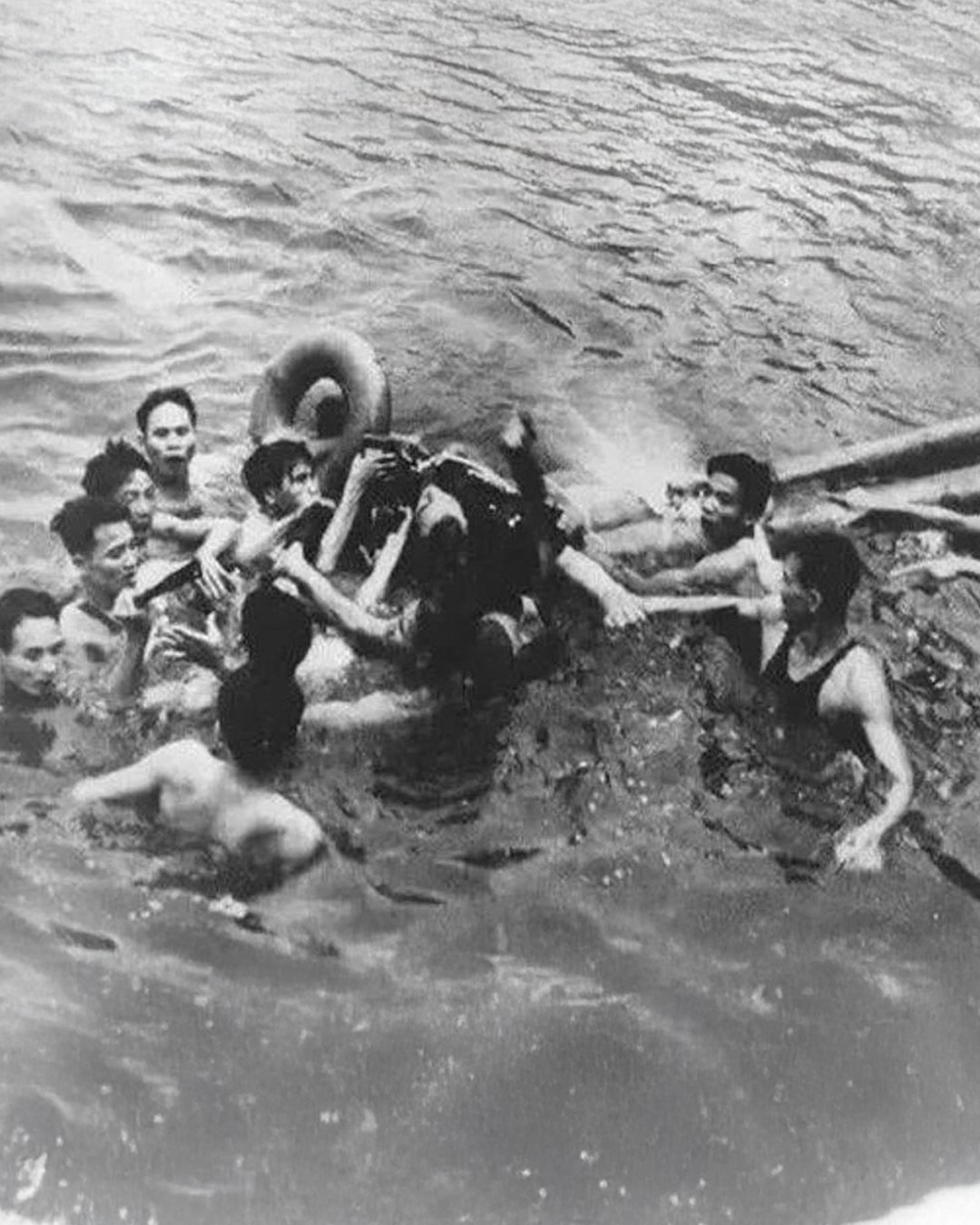
After being captured in 1967, John McCain was held as a prisoner of war in North Vietnam for more than five years.
His injuries from the crash made his situation even more severe. With limited medical care and harsh treatment, his recovery was slow and painful.
Throughout his imprisonment, he endured difficult conditions, including isolation and repeated attempts to break his morale.
At one point, McCain was offered early release. Because of his father’s military status, he was considered valuable for propaganda purposes. Accepting the offer would have meant freedom.
He refused.
McCain insisted that prisoners who had been captured before him should be released first, following a military code that emphasized honor and order among prisoners.
This decision came at a personal cost, extending his time in captivity.
Despite the conditions, prisoners developed ways to communicate with each other. Using taps on walls, they shared messages, maintained morale, and supported one another in an environment designed to isolate them.
McCain was eventually released in 1973.
His experience as a prisoner of war became a central part of his life story, shaping his views, his resilience, and the legacy he carried forward long after returning home.
Leave a Reply