
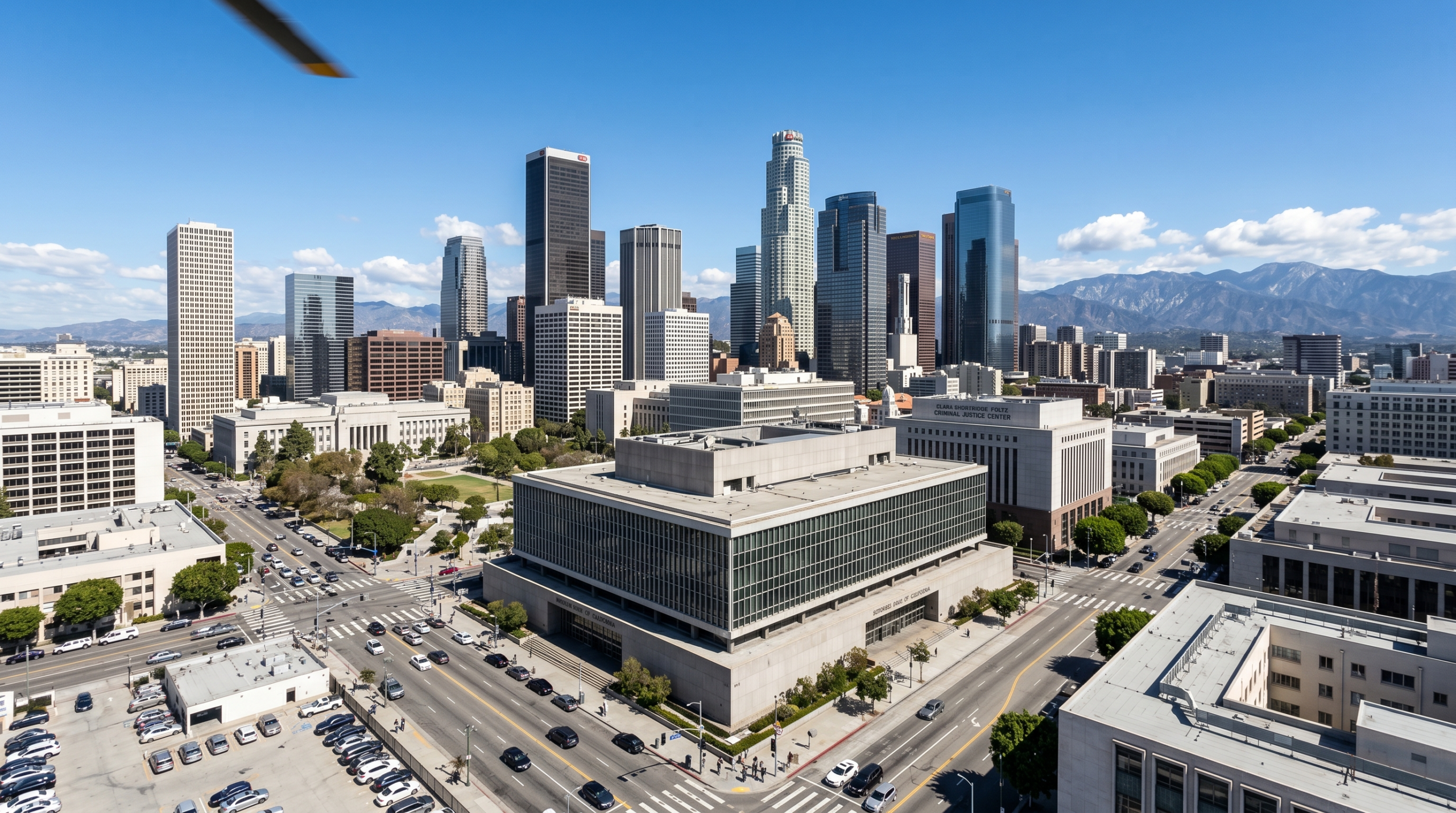
A federal trial began Wednesday in Los Angeles for a 30-year-old man accused of starting a brush fire that prosecutors say eventually became the Palisades Fire, one of the most destructive wildfires in the city’s history.
Jonathan Rinderknecht faces federal arson charges for allegedly setting a fire in the early morning hours of January 1, 2025. Prosecutors argue this initial blaze, known as the Lachman Fire, smoldered underground for six days before reigniting during powerful Santa Ana winds on January 7, creating the catastrophic Palisades Fire.
During opening statements, federal prosecutors presented evidence including security camera footage and cellphone data showing Rinderknecht had parked near a trailhead late on New Year’s Eve and hiked up a hillside overlooking the Pacific Palisades neighborhood. They told jurors he had repeatedly watched a music video featuring fire imagery in the days before the incident.
Prosecutors allege Rinderknecht was motivated by anger and resentment toward wealthy residents. They claim several ride-share passengers from that evening reported he appeared upset and made comments about societal inequality. The defendant had previously lived in Pacific Palisades with a former partner but was residing alone in North Hollywood at the time of the incident.
According to the prosecution, Rinderknecht called 911 to report the fire but initially couldn’t connect due to poor cell reception on the hillside. By the time he reached emergency services after descending, others had already reported the blaze and responders were en route. He allegedly followed fire trucks back to the scene and recorded videos of the firefighting efforts.
The defense presented a different narrative, arguing the Lachman Fire and Palisades Fire were separate incidents. Defense attorney Steven Haney told jurors that investigators initially attributed the Lachman Fire to fireworks, as neighbors reported hearing them that night. He emphasized that the scene wasn’t treated as a crime scene until days later, after firefighting activities had altered the area.
The devastating Palisades Fire forced more than 100,000 residents to evacuate and resulted in 12 deaths. It required over 6,000 firefighters from multiple countries to contain the blaze by January 31. Approximately 6,800 structures were destroyed, with property damage estimates ranging from $25 billion to $51 billion.
The fire occurred simultaneously with the Eaton Fire in Altadena, and combined economic impacts from both blazes have been estimated between $95 billion and $164 billion in total losses.
Rinderknecht, who holds dual French and American citizenship, has been detained since his arrest on October 7 in Florida, where he was staying with his sister’s family. He has pleaded not guilty to the charges, which carry a maximum sentence of 45 years in federal prison.
During questioning weeks after the fire, investigators asked Rinderknecht why someone might start a fire in Pacific Palisades. He allegedly suggested it could stem from resentment toward the wealthy and compared such an act to recent high-profile incidents of violence.
The trial judge has limited the defense’s ability to blame firefighting agencies for allegedly failing to fully extinguish the initial fire. Prosecutors must prove to the jury that the Palisades Fire was a direct consequence of the Lachman Fire and that Rinderknecht’s alleged actions were the primary cause of the disaster.
Leave a Reply