
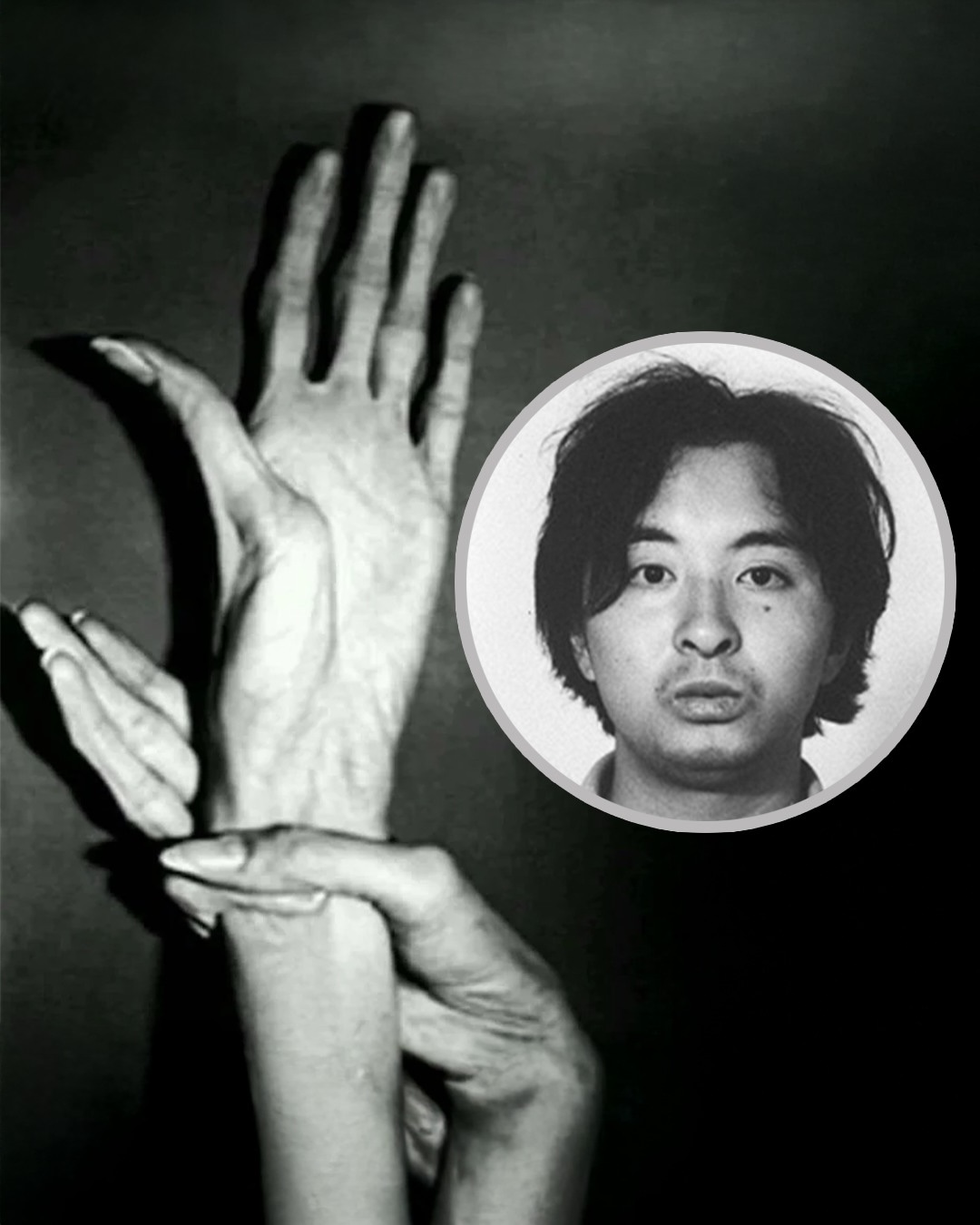
Between 1988 and 1989, a series of tragic incidents involving young girls unfolded across the Tokyo metropolitan area. These events quickly became one of the most unsettling criminal cases in Japan’s modern history.
The individual responsible, Tsutomu Miyazaki, lived a largely isolated life. He was known to struggle socially, a factor often discussed in later analysis, though not considered a direct cause of his actions.
Authorities determined that Miyazaki targeted young victims, taking them to secluded locations. His actions caused deep trauma for the victims’ families and sent shockwaves throughout the country.
The case remained unresolved for months, creating widespread fear and uncertainty. Communities were left searching for answers as investigators worked to identify the person behind the incidents.
In August 1989, a critical turning point occurred in Hachiōji, Tokyo. Miyazaki attempted to approach another child in a public park, but the situation was interrupted by the child’s father, forcing him to flee.
When Miyazaki later returned to retrieve his vehicle, police were able to apprehend him. His arrest marked the beginning of a deeper investigation into his activities.
A search of his residence revealed a large collection of videotapes, including commercial recordings. Media coverage focused heavily on this detail, leading to the controversial nickname “the Otaku Killer,” which was later criticized for its broader cultural implications.
Miyazaki was ultimately tried and convicted on multiple charges. He received the death penalty and was executed in 2008, bringing a formal end to one of Japan’s most disturbing criminal cases.
Leave a Reply