
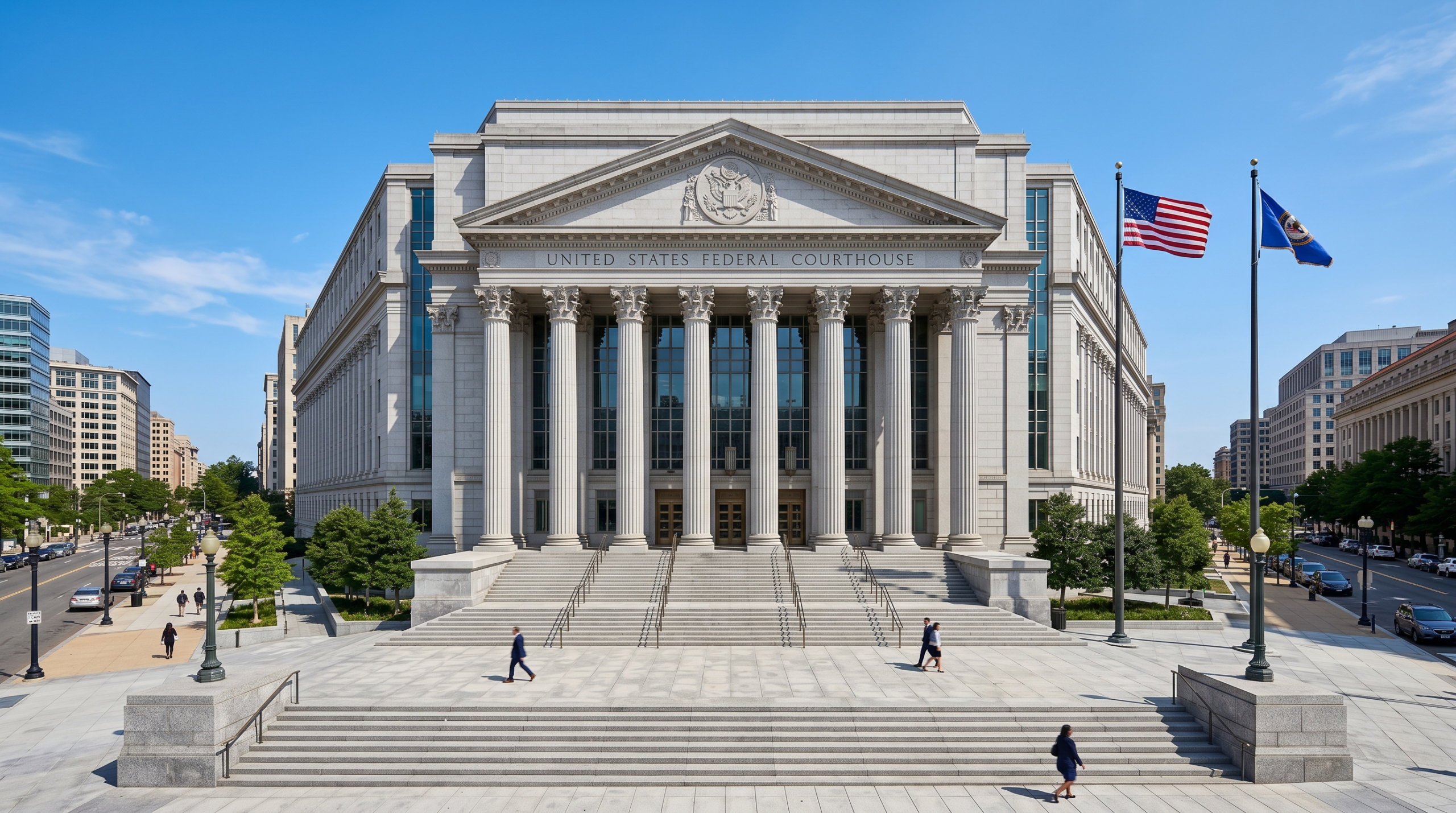
A federal appeals court in San Francisco has upheld a National Labor Relations Board order against a concrete construction company accused of engaging in unfair labor practices and illegal union-busting activities.
The Ninth Circuit Court of Appeals declined to review the labor board’s original decision and granted the board’s motion for enforcement against the construction company. The ruling reinforces the board’s findings that the company had violated federal labor laws through its treatment of workers attempting to organize.
In its decision, the appeals court referenced established legal precedent from 2017, stating that courts must uphold board decisions when substantial evidence supports the factual findings and when the agency has correctly applied the law. This standard serves as the foundation for reviewing labor disputes that reach the federal appeals level.
The case centered on allegations that the concrete construction company had engaged in tactics designed to discourage union organizing among its workforce. Such practices are prohibited under the National Labor Relations Act, which protects workers’ rights to organize and engage in collective bargaining activities.
The National Labor Relations Board had previously investigated the company’s conduct and determined that multiple violations had occurred. The board’s investigation found evidence supporting claims that the company had interfered with employees’ protected rights under federal labor law.
By upholding the board’s order, the Ninth Circuit has affirmed that the company must comply with the remedial measures outlined in the original ruling. These typically include requirements to cease and desist from unfair labor practices and may involve posting notices informing employees of their rights under federal labor law.
The appeals court’s decision represents a significant victory for labor enforcement efforts in the construction industry, where union organizing campaigns often face substantial resistance. The ruling sends a clear message that companies cannot engage in illegal tactics to prevent workers from exercising their federally protected rights to organize.
This case adds to a body of precedent supporting the National Labor Relations Board’s authority to investigate and prosecute unfair labor practices. The court’s reliance on its 2017 precedent demonstrates the consistency with which federal courts approach these labor disputes, maintaining a standard that requires substantial evidence while deferring to the board’s expertise in labor matters.
The enforcement action against the concrete construction company illustrates the ongoing tensions between management and labor in various industries across the country. As workers continue to seek collective representation, employers must navigate complex federal regulations governing their responses to organizing efforts.
The Ninth Circuit’s ruling will likely influence similar cases pending in federal courts, as it reinforces the standards used to evaluate National Labor Relations Board decisions. Companies facing similar allegations will need to carefully consider their practices in light of this decision.
The case underscores the importance of compliance with federal labor laws and the consequences companies face when they violate workers’ rights. As the construction industry and others continue to see organizing efforts, this ruling provides clarity on the legal boundaries governing employer conduct during such campaigns.
Leave a Reply