
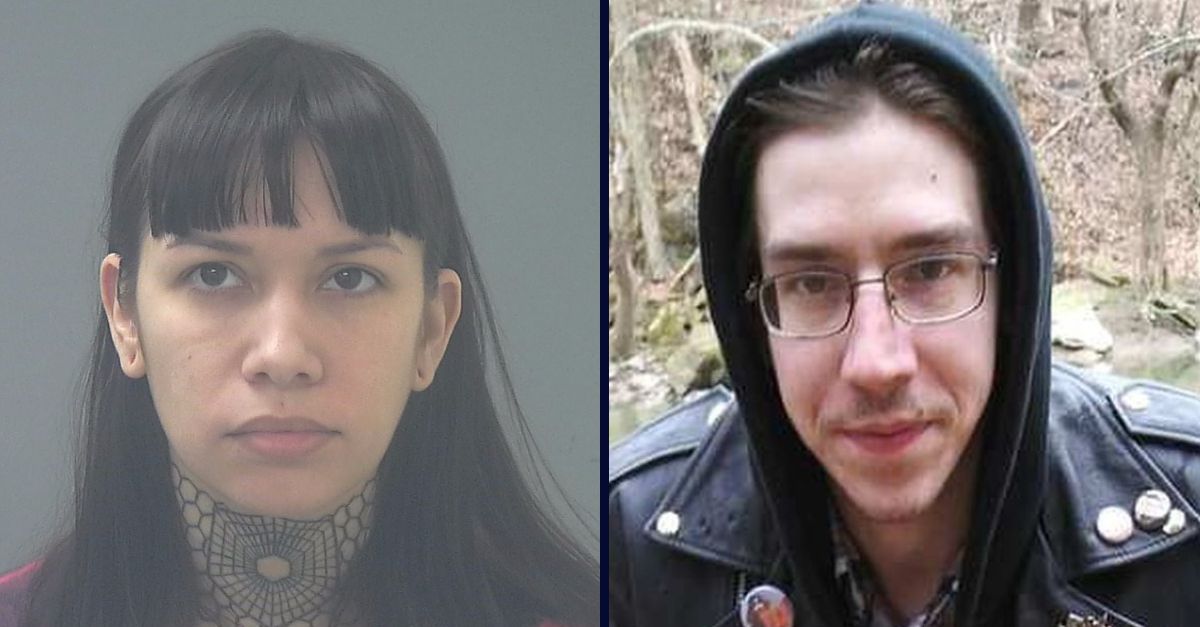
During sentencing, the court made it clear that the circumstances surrounding the case went beyond a moment of impulse.
Prosecutors presented evidence showing that Chelsea Perkins had arranged the meeting with Matthew Dunmire in advance, selecting a secluded location in Cuyahoga Valley National Park. Once there, she shot him from behind, and investigators determined the act had been planned rather than spontaneous.
After the incident, she attempted to stage the scene to appear as a self-inflicted d*ath. Authorities uncovered online searches that suggested she had looked for ways to mislead investigators, along with physical evidence that contradicted her claims.
Forensic ballistics, digital records, and phone data all played a key role in reconstructing what actually happened.
During the trial, it was revealed that Perkins believed Dunmire had assaulted her years earlier. However, no charges or legal findings had ever supported that belief, and it was not recognized as justification in court.
At sentencing, the judge emphasized that personal trauma, no matter how deeply felt, does not justify taking the law into one’s own hands.
The case sparked wider discussions about how the justice system handles claims of past harm, the challenges survivors may face, and the consequences of acting outside legal channels.
Chelsea Perkins was ultimately sentenced to 22 and a half years in prison.
The case remains a reminder of how unresolved pain, when combined with premeditated actions, can lead to irreversible outcomes for everyone involved.
Leave a Reply