
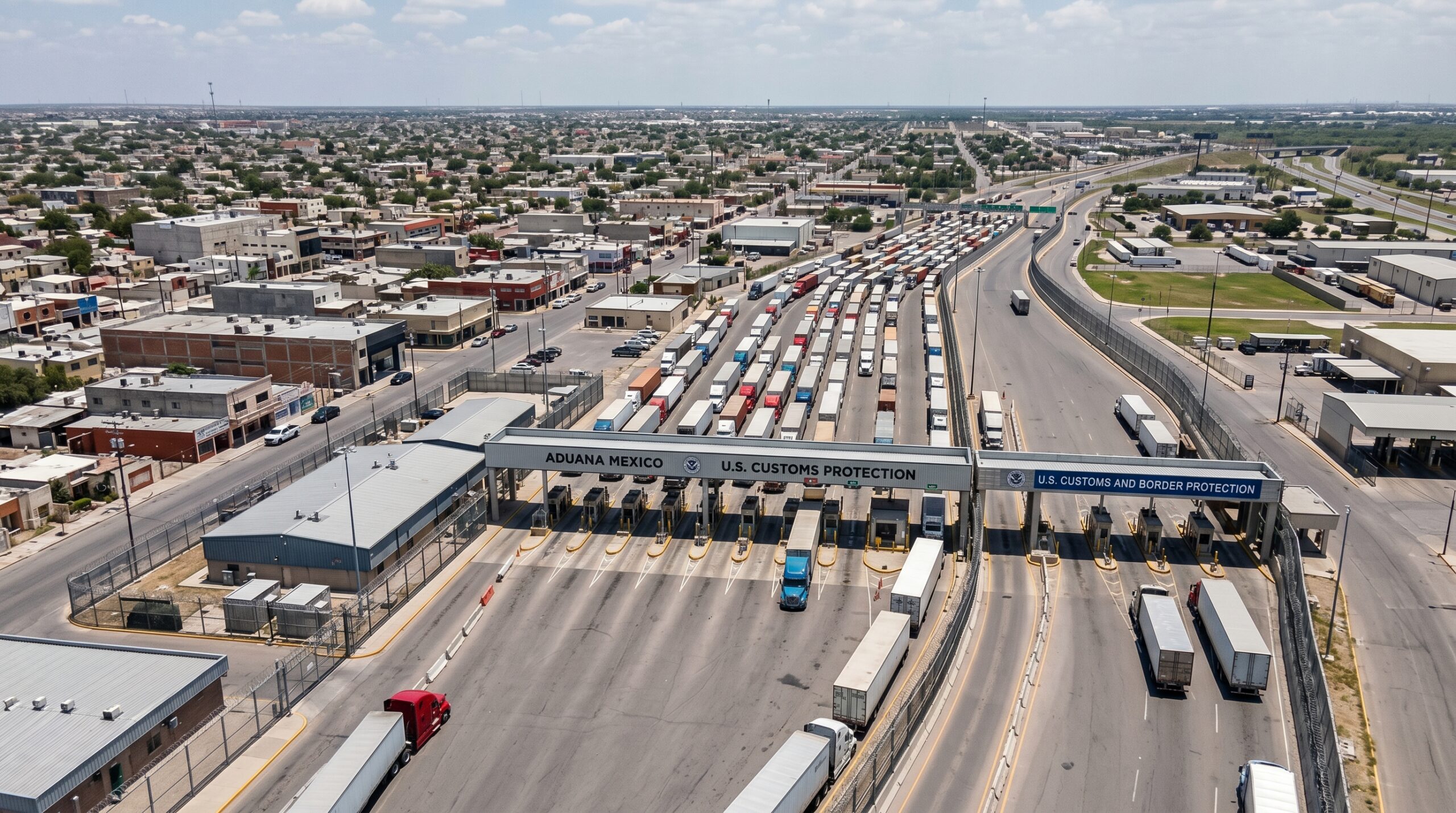
The Northeast Cartel, known locally as Cartel del Noreste (CDN), has emerged as a dominant criminal force in northeastern Mexico, maintaining control over crucial border crossings despite repeated arrests of its leadership and ongoing battles with rival organizations.
The criminal organization engages in a wide range of illicit activities including drug trafficking, extortion, kidnapping, human trafficking, and migrant smuggling. Its stronghold in Nuevo Laredo, one of the busiest land crossings between the United States and Mexico, provides the group with a steady stream of revenue through systematic taxation of both legal and illegal goods crossing the border.
The CDN traces its origins to the fragmentation of the Zetas criminal organization around 2012. The split occurred following the deteriorating relationship between the Treviño Morales brothers, Miguel and Omar, who led the Zetas until their respective arrests in July 2013 and March 2015. After their capture, their nephew Juan Francisco Treviño Chávez established the CDN as a splinter faction, while rival Zetas leaders formed a competing group called the Old School Zetas.
Leadership of the CDN has remained within the Treviño family lineage. Following Juan Francisco’s arrest in September 2016 in Baytown, Texas, where he later received two life sentences, Juan Gerardo Treviño Chávez assumed control. He established an enforcement wing called Tropa del Infierno, or Hell Troop, which gained notoriety through violent clashes with rival cartels and Mexican security forces starting in 2019.
Recent law enforcement successes have targeted the organization’s command structure. In May 2026, authorities captured José Antonio Cortes Huerta in Nuevo León following a 14-month investigation that began with the seizure of a tanker carrying 10 million liters of diesel. Other significant arrests include Fernando de Jesús Rodríguez Adame in August 2021, Martín Rodríguez in September 2021, and Heriberto Rodríguez Hernández in November 2022.
Currently, Juan Cisneros Treviño controls both the CDN and the Hell Troop, having assumed leadership after his cousin’s arrest in March 2022. The organization also established another armed wing called Los Chukys in 2023 to expand operations into Nuevo León state. Francisco Daniel Esqueda Nieto now manages tactical operations following the February 2025 arrest of Ricardo González Sauceda in Nuevo Laredo.
The CDN’s business model centers on controlling and taxing the Nuevo Laredo border crossing. Rather than building extensive drug trafficking networks, the organization profits by charging fees to various groups using the crossing, including drug traffickers, migrant smugglers, and legitimate transport companies. This plaza-tax system, inherited from the Zetas, extends to systematic extortion of businesses throughout territories under their control.
The organization has formed strategic partnerships to enhance its operations. According to law enforcement sources, the Mayiza faction of the Sinaloa Cartel supplies the CDN with fentanyl, methamphetamine, and cocaine, which the CDN then facilitates into the United States. This arrangement provides the Mayiza with access to the Laredo crossing while generating profits for the CDN.
The CDN faces ongoing conflicts with rival organizations, particularly the Gulf Cartel’s Metros faction, which has allied with the Jalisco Cartel New Generation. Fighting has concentrated in the municipalities of Ciudad Mier and Miguel Alemán, while the CDN has also pushed into Ciudad Victoria, traditionally Gulf Cartel territory.
In February 2025, the United States State Department designated the CDN as a Foreign Terrorist Organization, escalating international pressure on the group. Shortly afterward, the Treviño brothers were transferred to United States custody.
Despite sustained pressure from both Mexican and United States authorities, the CDN maintains its dominance in Nuevo Laredo. The strategic value of the border crossing provides both revenue for defense and leverage that makes any attempt to dislodge the group extremely difficult. However, with multiple arrests of Treviño family members, questions remain about the organization’s long-term leadership succession and stability.
Leave a Reply