
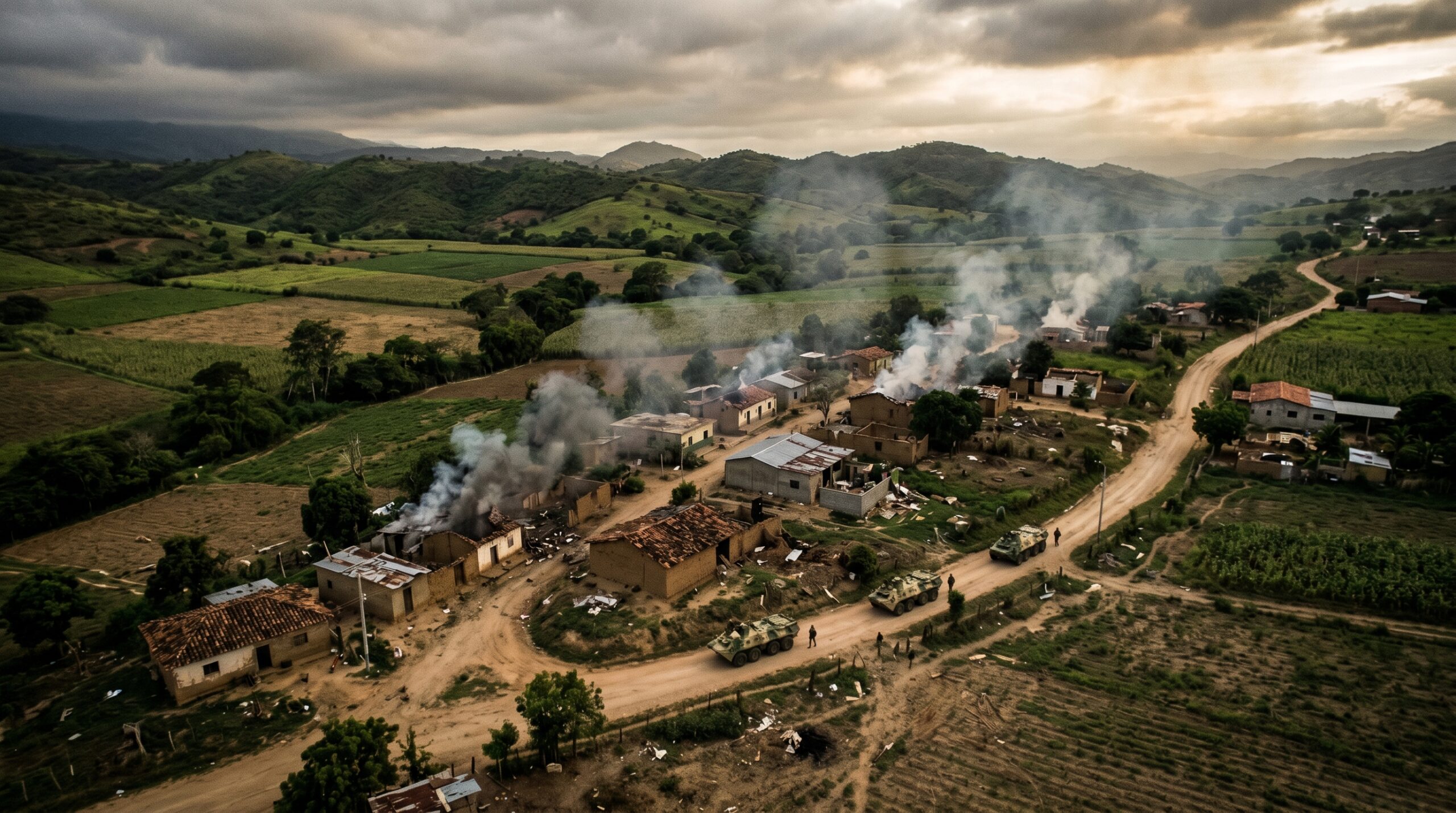
A large-scale military operation in Venezuela has resulted in allegations of severe human rights violations, including the aerial bombing of a civilian hamlet and widespread abuse of rural residents, according to documented testimonies and evidence from affected communities.
The operation began after members of a criminal organization known as Tren del Llano attacked a voting center in San Francisco de Macaira, Guárico state, on July 29, 2024. The gang, armed with rifles and grenades, overpowered military guards and vandalized the facility, claiming their actions were a response to disputed election results and government crackdowns on protests.
In response, Venezuelan authorities launched Operation Zaraza, deploying more than 6,000 military and police personnel to Guárico state. While initial confrontations resulted in the recapture of the voting center and reported arrests of gang members, the operation quickly expanded beyond its original scope.
The most severe incident occurred on August 13, 2024, in Boca de María, a small agricultural hamlet near El Jobito in Miranda state. After days of surveillance aircraft activity, three fighter jets appeared and conducted an airstrike on the community. The bombing destroyed homes, burned crops, and injured civilians, including a teenage girl who suffered a fractured eye socket from shrapnel, requiring facial reconstruction surgery.
Residents described scenes of terror as explosions destroyed property and forced families to flee. Many abandoned their homes and farms, not returning for months as they sought safety in nearby towns. The psychological impact was severe, with survivors reporting ongoing trauma from the experience.
Following the airstrike, security forces continued operations throughout the region into 2025. Documentation from human rights organizations reveals a pattern of alleged abuses during this period. Residents reported arbitrary detentions, with security forces conducting warrantless searches and detaining individuals without proper cause. Families of detained persons claim their relatives faced false charges based on planted evidence.
Testimonies describe incidents of physical torture during interrogations, with victims reporting beatings and threats. Some residents alleged sexual assault during raids, while others described threats against children used as intimidation tactics. The operations appeared to target agricultural workers and farmers rather than actual gang members, according to community accounts.
The economic impact on affected families has been substantial. Relatives of detained individuals reported selling property and organizing fundraisers to pay for legal representation and prison-related expenses. The agricultural sector suffered as farmers fled their lands, disrupting local food production.
Despite the massive deployment of resources and the severity of tactics employed, the operation’s effectiveness against its stated target remains questionable. Sources indicate that while some gang members fled the country, others reorganized into smaller cells of 10 to 20 members, maintaining their activities while adopting lower profiles and moving between hideouts.
The transformation of what began as a targeted anti-gang operation into a broader campaign affecting civilian populations has raised serious questions about military conduct and accountability. Communities that once thrived on agriculture now live in fear of security force raids, with residents reporting ongoing harassment and intimidation.
The documented pattern of abuses, particularly the unprecedented use of airstrikes against a civilian hamlet, represents a significant escalation in state security tactics. The long-term consequences for affected communities include displacement, economic hardship, and lasting psychological trauma, while the original security objectives appear largely unmet.
Leave a Reply