
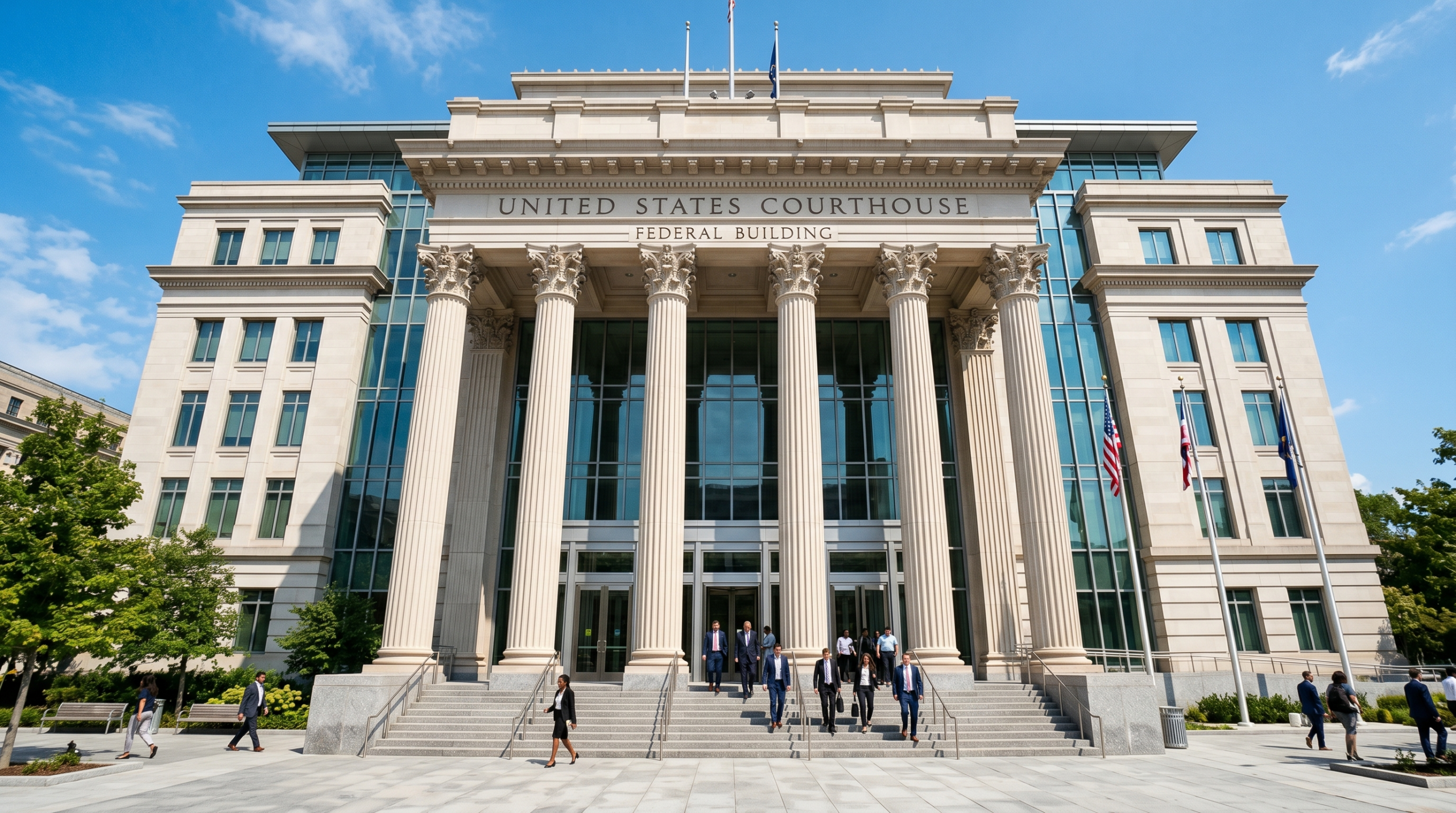
A federal appeals court has overturned an insider trading conviction and ordered a new trial after determining that a lower court improperly handled a juror who expressed concerns about his ability to remain impartial during the proceedings.
The Ninth Circuit Court of Appeals ruled that the California federal district court made a critical error when it failed to dismiss a juror who had directly informed the judge about his potential bias. Instead of conducting a proper investigation into the juror’s concerns or removing him from the panel, the court left the decision about impartiality to the juror himself, who ultimately remained on the jury for the duration of the trial.
The case centered on allegations of insider trading fraud against a defendant whose conviction has now been vacated. During the original trial, one of the jurors approached the court to express doubts about his ability to render an impartial verdict. Despite this admission, the trial court did not excuse the juror from service, a decision that has now been deemed improper by the appellate panel.
In its ruling, the Ninth Circuit emphasized that when a juror voluntarily comes forward to acknowledge potential bias, the court has a fundamental responsibility to investigate the matter thoroughly. The appeals court found that delegating this responsibility back to the juror who raised the concern was inappropriate and undermined the integrity of the judicial process.
The decision highlights the critical importance of jury impartiality in criminal proceedings, particularly in complex financial crime cases where public sentiment and personal experiences might influence a juror’s perspective. The appeals court’s ruling reinforces the principle that defendants are entitled to a fair trial before an unbiased jury, and that courts must take proactive steps to ensure this constitutional right is protected.
The appellate panel’s decision means the defendant will receive a new trial with a different jury. The ruling serves as a reminder to trial courts about their obligation to address juror bias concerns directly rather than leaving such determinations to the potentially biased jurors themselves.
This case underscores the delicate balance courts must maintain between respecting jurors’ self-assessments and fulfilling their duty to ensure fair proceedings. When a juror expresses uncertainty about their ability to be impartial, courts are expected to err on the side of caution to protect the defendant’s right to a fair trial.
The matter will now return to the district court for a new trial, where prosecutors will have the opportunity to present their insider trading case again before a new jury panel. The appellate court’s decision does not address the merits of the underlying fraud allegations but focuses solely on the procedural error related to jury selection and management.
Leave a Reply