
The United States government has officially designated two of Brazil’s largest criminal organizations, the Primeiro Comando da Capital (PCC) and Comando Vermelho (Red Command), as foreign terrorist organizations. This unprecedented move brings the total number of Latin American groups with such designations to seventeen, marking the first time Brazilian criminal organizations have been placed on the terrorism list.
The PCC, considered the largest criminal organization in Latin America by membership and reach, originated in São Paulo state prisons in 1993. What began as a prison gang has evolved into a sophisticated international network operating across multiple continents. The organization functions as a federation rather than a traditional hierarchical structure, essentially serving as administrators for various criminal activities.
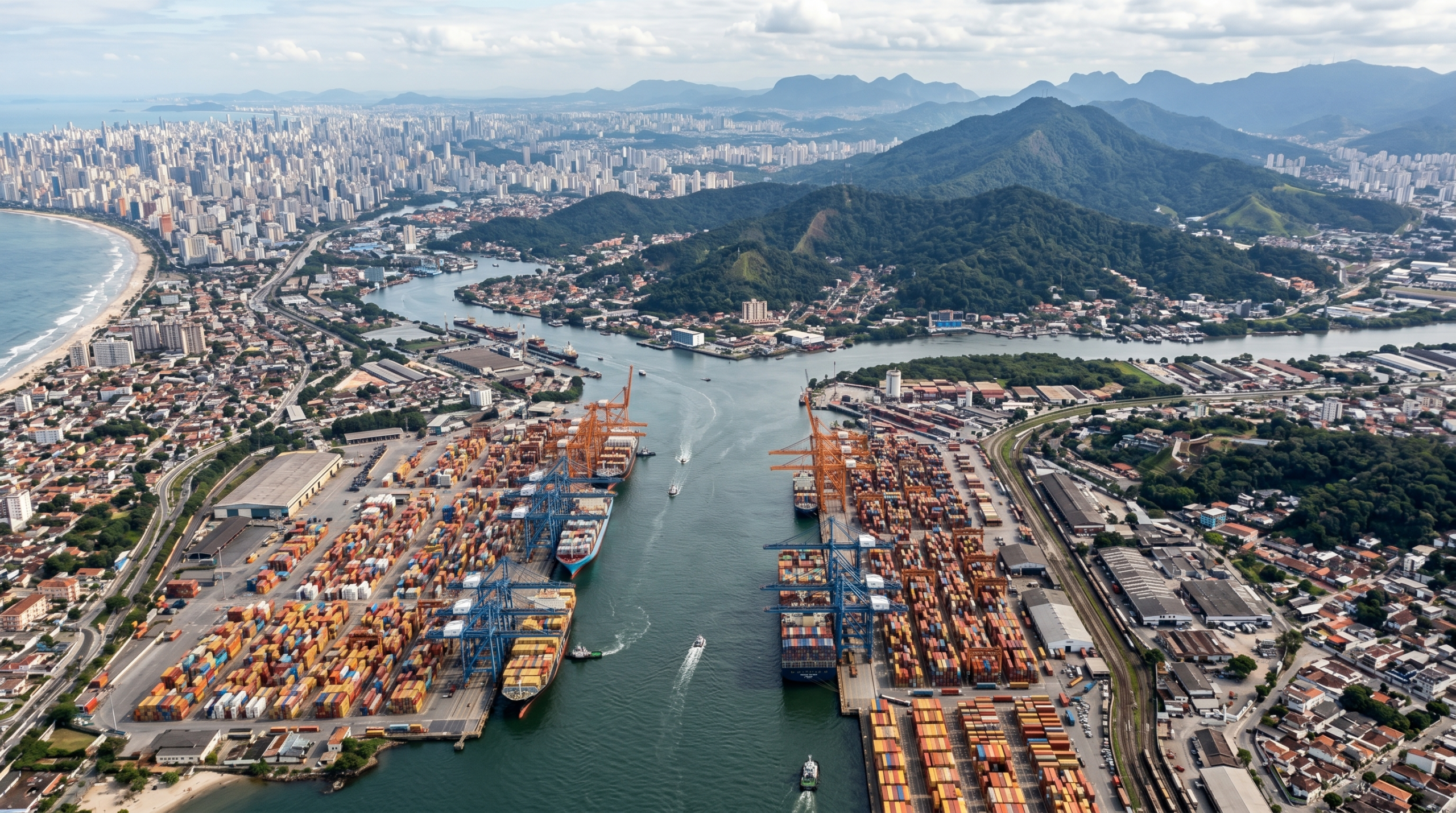
The group’s primary involvement centers on the international drug trade, particularly facilitating cocaine transportation from Bolivia, Peru, and Colombia through Brazil’s major ports. The Port of Santos in São Paulo state, Latin America’s second-largest port, serves as a crucial hub for their operations. Officials estimate the PCC generates upwards of two billion dollars annually through their criminal enterprises.
Comando Vermelho, the Rio de Janeiro-based counterpart, emerged earlier in Brazil’s prison system during the late 1970s and early 1980s. Unlike the PCC’s administrative approach, Comando Vermelho focuses on territorial control within specific areas, particularly dominating local drug markets. Brazil represents the world’s second-largest drug market after the United States, making control of these territories extremely lucrative.
While the PCC has established an international presence with operations extending to Europe, Asia, and the United States, Comando Vermelho maintains a primarily domestic focus. Recent judicial cases in Brazil have revealed the PCC’s deep integration into legitimate business sectors, including municipal service contracts for cleaning and transportation, as well as involvement in the fuel and gasoline trade.
These legitimate business ventures have connected the organization to Brazil’s financial infrastructure, including traditional banks and poorly regulated financial technology companies. Court documents detail how the group moves money through various mechanisms within Brazil’s financial system, creating potential complications for institutions that may have unknowingly facilitated their transactions.
The terrorist designation grants US authorities enhanced legal tools to pursue aggressive actions against these groups, which they now classify as threats to national security. However, Brazil has never categorized either organization as terrorist groups, despite their occasional use of violent tactics against state forces. The PCC has conducted campaigns resulting in numerous police deaths, while Comando Vermelho maintains a confrontational stance with authorities.
Neither organization operates with an ideological framework typically associated with terrorist groups. Their motivations remain primarily economic, focused on controlling criminal markets rather than pursuing political or ideological objectives. This distinction sets them apart from other designated groups like MS-13 in El Salvador, which both the United States and El Salvador classify as terrorist organizations.
The designations’ impact extends beyond the criminal organizations themselves, potentially affecting Brazilian businesses, financial institutions, and politicians connected to these groups through various transactions. As investigations continue to reveal the extent of these connections, the classifications could complicate Brazil’s economic landscape and influence upcoming electoral dynamics.
The move represents a significant shift in how the United States approaches Brazilian organized crime, despite these groups having relatively limited direct presence in American territory compared to Mexican cartels or Colombian trafficking organizations. The long-term implications for Brazil’s security strategy, international cooperation efforts, and economic sectors remain to be determined as both countries navigate this new designation framework.
Leave a Reply