
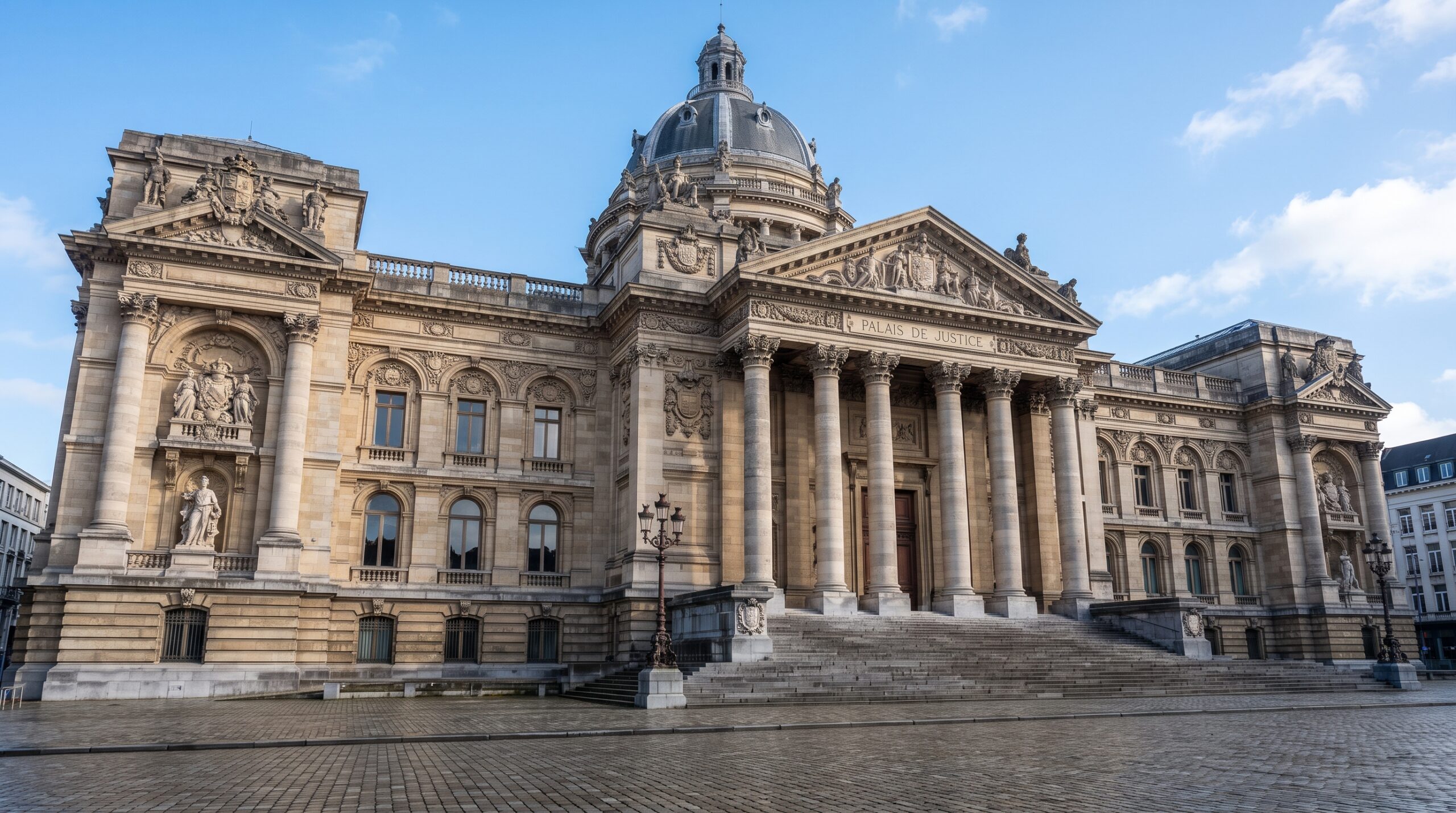
Italy’s parliamentary investigation into potential Mafia infiltration of freemasonry organizations crossed legal boundaries, according to a ruling from the European Court of Human Rights on Tuesday. The court’s Grand Chamber determined that Italian authorities violated privacy rights when they seized personal data belonging to thousands of members during a 2017 raid.
The case centered on Grande Oriente d’Italia, Italy’s largest Masonic association, which challenged the search of its Rome headquarters by a parliamentary anti-Mafia commission. During the March 1, 2017 operation, police seized computers, hard drives, USB devices, and membership records dating back to 1990, containing personal information for more than 6,000 members.
While the court acknowledged Parliament’s legitimate interest in investigating potential connections between organized crime groups and freemasonry lodges, judges ruled that the scope and execution of the search exceeded acceptable limits. The investigation had specifically focused on possible infiltration by Cosa Nostra and the ‘Ndrangheta crime syndicates into Masonic lodges in Sicily and Calabria.
The parliamentary commission initiated its inquiry in 2016 after prosecutors identified what they described as a hidden network linking organized crime figures with professionals and public officials. When Grande Oriente refused multiple requests to voluntarily provide membership lists, citing the lack of specific criminal investigations targeting individual members, the commission obtained and executed a search warrant.
According to the commission’s final report, analysis of the seized membership data identified 193 individuals who had faced Mafia-related criminal proceedings, including 122 members of Grande Oriente. Despite these findings, the European court determined that the results did not justify the methods used to obtain the information.
The judges expressed particular concern about the breadth of the search authorization, the extensive discretion granted to the parliamentary commission, and the absence of meaningful oversight mechanisms. They warned that accepting such broad investigatory powers simply because they originated from a parliamentary inquiry would grant legislative bodies virtually unlimited discretion, potentially undermining the rule of law.
Italy’s complicated relationship with freemasonry dates back decades, most notably to the 1981 Propaganda Due scandal. That crisis erupted when investigators discovered a secret Masonic lodge membership list at the villa of businessman Licio Gelli, revealing connections to military officers, intelligence officials, politicians, bankers, and journalists. The revelations brought down the government and led Parliament to ban secret associations.
Vincenzo Zeno-Zencovich, representing Grande Oriente d’Italia, emphasized that the ruling establishes important precedent across Europe. He argued that parliamentary commissions cannot possess greater powers than the judiciary when implementing measures affecting third parties’ rights.
Pasquale Annicchino from the University of Foggia noted the political sensitivity surrounding organized crime’s potential infiltration into freemasonry, particularly in certain Italian regions. However, he stressed that investigating organized crime does not exempt authorities from following proper procedural safeguards.
The court awarded Grande Oriente 9,600 euros in non-pecuniary damages and 5,344 euros for costs and expenses. The Grand Chamber’s judgment is final and cannot be appealed. Italy must comply with the ruling within three months and ensure future parliamentary investigations incorporate appropriate procedural protections, even when targeting organized crime activities.
The decision establishes clear boundaries for parliamentary investigations throughout Council of Europe member states, requiring that coercive measures affecting individual rights must operate within constitutional constraints regardless of the investigation’s subject matter.
Leave a Reply