
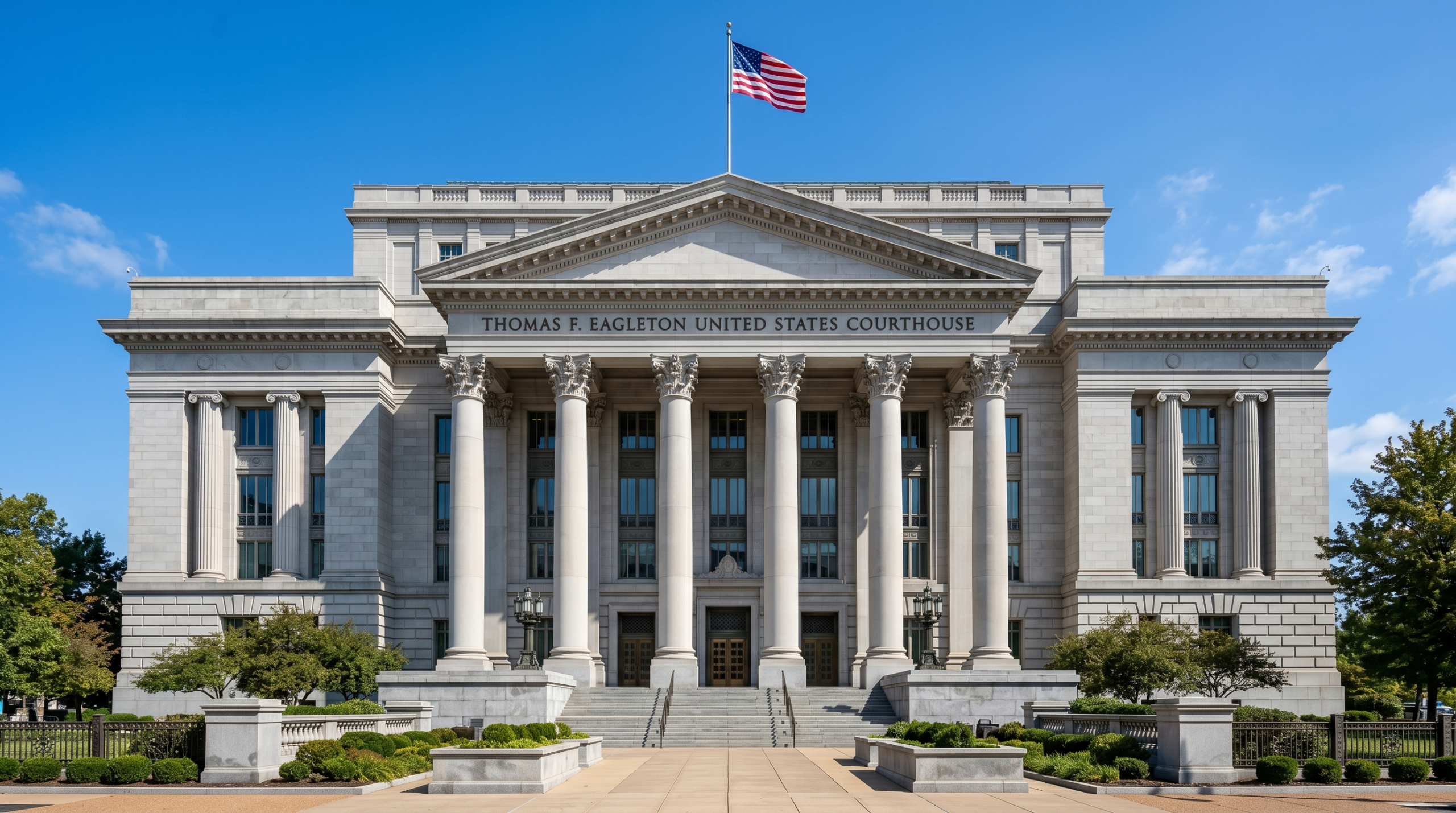
A federal appeals court has upheld three concurrent life sentences for the man responsible for an attempted pipe bomb attack in a crowded Manhattan transit hub in December 2017, while overturning one conviction on technical grounds.
The Second Circuit Court of Appeals ruled on Tuesday that Akayed Ullah, now 34, will continue serving life in prison for the attack that occurred in an underground tunnel connecting the Times Square subway station and the Port Authority bus terminal during morning rush hour.
Ullah, a Bangladeshi immigrant who was living in Brooklyn at the time, partially detonated a homemade explosive device that he had strapped to his body using plastic zip ties. The pipe bomb, constructed with metal screws and Christmas tree lights connected to a nine-volt battery, malfunctioned and failed to fully detonate. The incomplete explosion caused serious burns to Ullah and minor injuries to several commuters nearby, while creating widespread panic in the busy transit corridor.
The appellate panel reversed one count related to providing material support to a foreign terrorist organization, finding insufficient evidence that Ullah acted under the direct control of any terrorist group. Despite evidence that he was motivated by extremist ideology and claimed to act on behalf of terrorist organizations, the court determined he operated independently in planning and executing the attack.
The majority opinion, written by Circuit Judge Myrna Pérez and joined by Senior District Judge Jed Rakoff, emphasized that while Ullah may have viewed himself as acting for a terrorist cause, this subjective belief did not establish that any organization actually directed or controlled his actions. The judges noted that inspiration from online extremist content alone was insufficient to prove coordination with a foreign terrorist organization under federal law.
Circuit Judge Steven Menashi issued a strong dissent, arguing that the majority had misconstrued the relevant statute and disregarded evidence presented to the jury. He maintained that the jury had reached a rational conclusion based on the evidence presented at trial.
During the original investigation, Ullah made several statements to law enforcement while receiving treatment for his injuries. He told detectives he had carried out the attack for religious extremist purposes. Later, while in federal custody at the Metropolitan Correctional Center, he reportedly made threatening statements to correctional officers, warning that more attacks would follow.
Prosecutors at his trial presented evidence that Ullah’s radicalization began around 2014. They showed jurors his social media activity and post-arrest statements, including messages posted before the attack.
Ullah’s defense attorney had argued at trial that the incident was a suicide attempt by someone struggling with mental health issues rather than a calculated terrorist attack. The defense pointed to the bomb’s limited impact and lack of fatalities as evidence that Ullah, who worked as an electrician and possessed technical knowledge, could have constructed a more destructive device if mass casualties had been his intent.
The attack prompted immediate political debate about immigration policies. Ullah had entered the United States in 2011 through a family-based visa program, having an uncle who was already a U.S. citizen.
Despite the reversal of one count, the appeals court made clear that the decision would not affect Ullah’s sentence, with the remaining convictions sufficient to maintain his life imprisonment. He is currently serving his sentence at ADX Florence, a maximum-security federal prison in Colorado.
The case highlights ongoing legal questions about how courts should interpret material support statutes in terrorism cases, particularly when defendants claim inspiration from but lack direct connections to foreign terrorist organizations.
Leave a Reply