
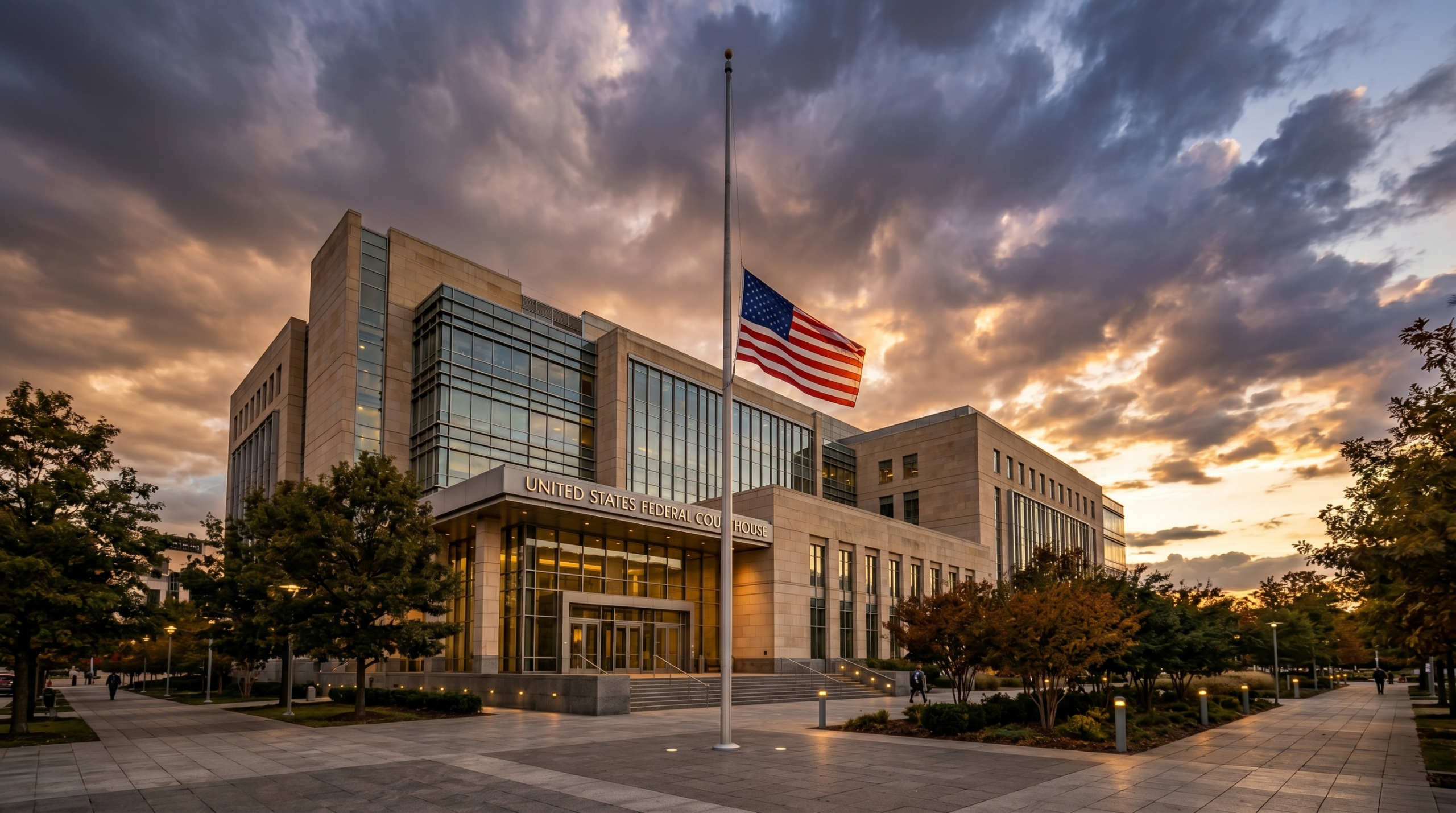
The 10th Circuit Court of Appeals has upheld a substantial $33 million judgment against the sheriff of Ottawa County, Oklahoma, in connection with the death of a pretrial detainee who succumbed to untreated medical conditions while in custody.
The ruling, delivered on Tuesday, affirmed the original jury verdict from August 2023 that found the county liable for the death of 26-year-old Terral Ellis, who died from sepsis caused by untreated pneumonia in October 2015.
U.S. Circuit Judge Veronica Rossman, writing for the court, stated that substantial evidence demonstrated Ottawa County knew of a substantial risk of harm to Ellis and failed to take reasonable measures to address that risk. The 87-page opinion detailed how the jail’s inadequate medical care directly contributed to the preventable death.
Ellis had voluntarily surrendered himself to the Ottawa County Jail on October 10, 2015, to address a pending charge. Within days of his arrival, his health began to deteriorate rapidly. Despite his increasingly desperate pleas for medical attention and his expressed fear that he was dying, jail staff and medical personnel allegedly ignored and even mocked his requests for help.
After nearly two weeks of suffering, Ellis died on October 22, 2015, leaving behind a two-year-old son. Medical examinations determined the cause of death was sepsis resulting from pneumonia that had gone untreated during his incarceration.
The lawsuit, filed by Ellis’s family in 2017, alleged that the jail violated Ellis’s Eighth Amendment rights against cruel and unusual punishment. The family’s legal team argued that the facility had systematically cut corners on medical care to reduce costs and had instructed staff to distrust inmates’ medical complaints.
During the trial proceedings, the family presented particularly disturbing allegations that jail officials, including the assistant administrator and a nurse, attempted to stage Ellis’s death as a suicide by fabricating a story about him hanging himself with a blanket.
The sheriff’s appeal challenged the verdict on multiple grounds, including claims of misconduct during the family’s closing arguments. The defense argued that emotional displays and references to deterrence in the closing statement warranted a new trial.
Judge Rossman rejected these arguments, noting that the alleged instances of misconduct comprised only one page of a 30-page closing argument and did not constitute pervasive misconduct that would justify overturning the verdict.
The decision included a concurring opinion from U.S. Circuit Judge Carolyn McHugh, joined by Chief U.S. Circuit Judge Jerome Holmes. While fully supporting the majority opinion, McHugh expressed concern about the propriety of asking juries to base compensatory damage awards on deterrence rather than solely on compensation for pain, suffering, and loss.
The case highlights ongoing concerns about medical care standards in detention facilities and the constitutional obligations of correctional institutions to provide adequate healthcare to individuals in custody. The substantial monetary judgment reflects the severity of the constitutional violations and the tragic consequences of the jail’s failure to provide basic medical care.
Ellis’s estate was represented by attorney Robert Blakemore of the Tulsa firm Smolen Roytman, while the county was represented by attorney Alison Levine of Collins Zorn in Oklahoma City.
Leave a Reply