
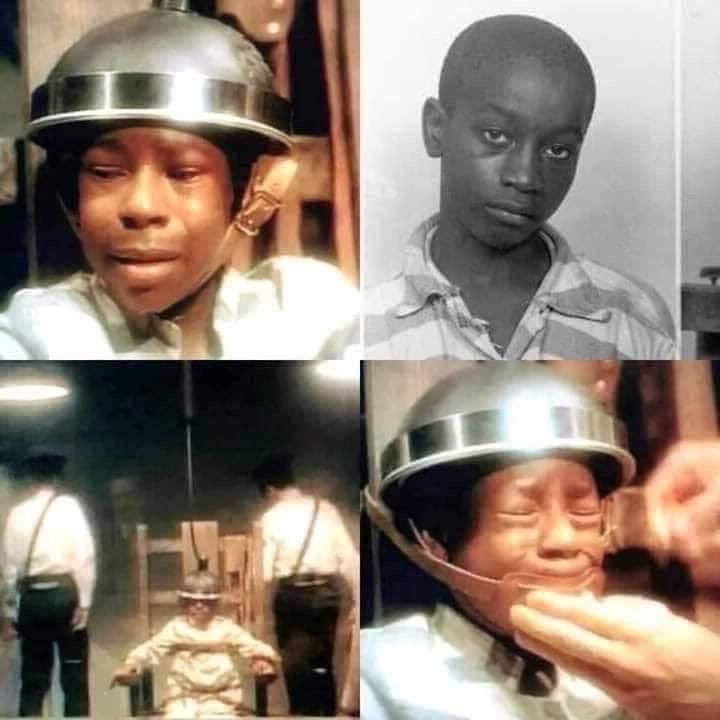
After the jury delivered its verdict in less than ten minutes, George Stinney Jr.’s fate was sealed.
In under three months from the time of his arrest, he was sentenced and executed in the electric chair. At just 14 years old, he weighed only around 95 pounds, and reports later revealed that adjustments had to be made for the execution equipment due to his size.
The speed of the case, along with the lack of evidence and legal representation, raised serious concerns even years later. His family had been unable to defend him in court, and the trial itself offered little opportunity for a fair process.
For decades, the case remained a symbol of injustice during the Jim Crow era in the American South. Historians and legal experts pointed to it as an example of how systemic racism and rushed legal proceedings could lead to irreversible consequences.
In 2014, more than 70 years after his execution, a South Carolina judge officially vacated George Stinney Jr.’s conviction. The ruling cited major violations of his constitutional rights, unreliable testimony, and the absence of a fair trial.
The decision did not change what happened in 1944, but it brought renewed attention to the case and acknowledged the failures of the justice system at the time.
Today, George Stinney Jr.’s story continues to be discussed in conversations about wrongful convictions, racial injustice, and the use of the death penalty.
Leave a Reply