
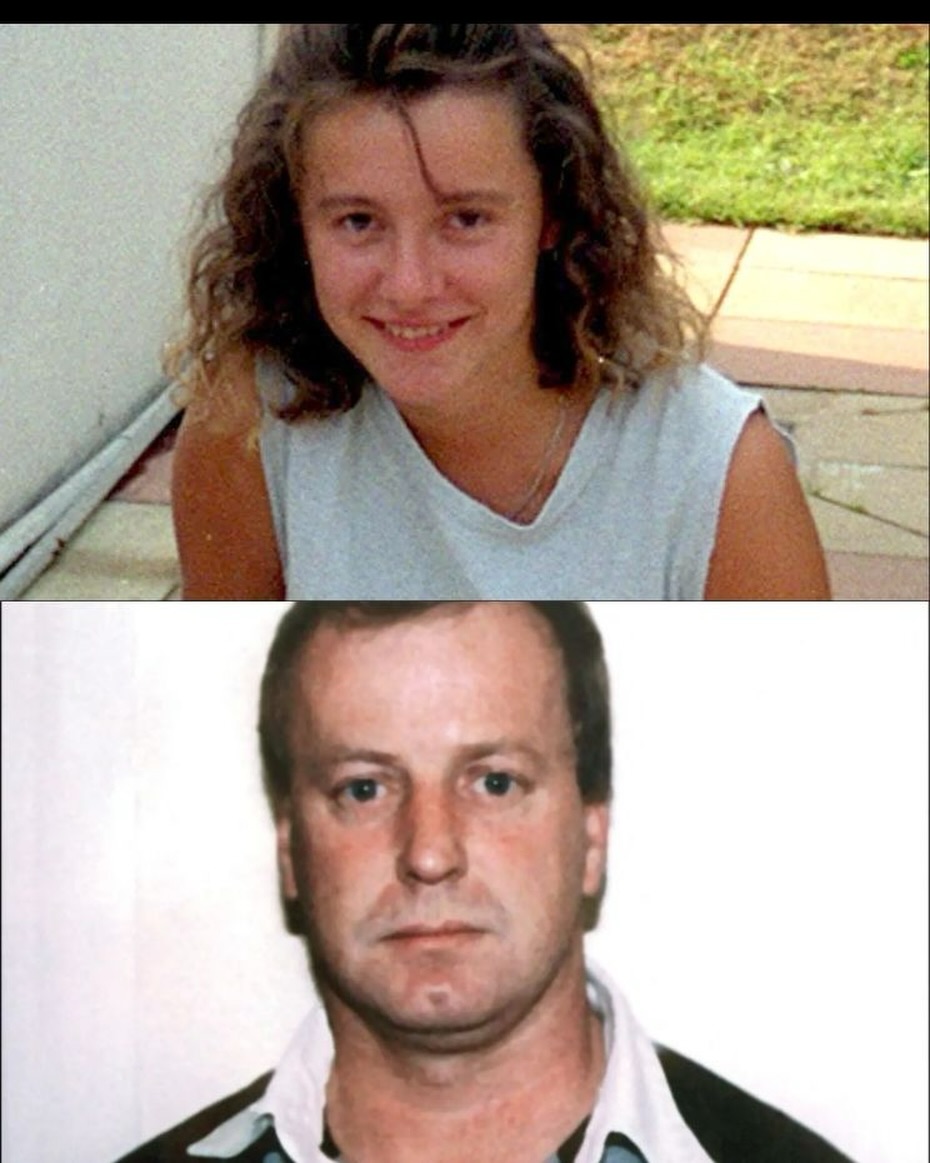
In 1995, 19-year-old French student Céline Figard disappeared while traveling through England, in a case that would later lead to a major breakthrough in forensic investigation.
On December 18, 1995, Céline left her family’s farm in France at approximately 3:00 p.m., heading toward Fordingbridge, Hampshire, where she planned to meet her cousin. After being unable to reach him at Chieveley Services on the M4, she accepted assistance from individuals at the location.
At around 4:30 p.m., a lorry driver offered her a ride, stating he would drop her off in time for an evening bus that investigators later confirmed did not exist.
When Céline failed to arrive or make contact, she was reported missing on December 19.
On December 29, her body was discovered in a lay-by on the A449 in Worcestershire. Investigators determined she had suffered severe injuries and had likely been held for several days before being left at the location.
The investigation became the first in the United Kingdom to use a large-scale DNA screening program to identify a suspect, involving more than 5,000 individuals.
On February 19, 1996, Stuart Morgan, a 36-year-old lorry driver from Dorset, was arrested after being identified through a police sketch. He initially claimed that he and Céline had parted ways earlier that evening.
However, forensic evidence told a different story. DNA evidence from blood found in his vehicle matched Céline, and items belonging to her were later discovered at his residence. Investigators also uncovered additional evidence linking him to the case, including attempts to conceal his movements.
On October 16, 1996, Morgan was found guilty of m*rder at Worcester Crown Court after several hours of jury deliberation. He was sentenced to life in prison with a minimum term of 20 years.
His appeals were unsuccessful, and he remains incarcerated.
The case remains significant not only for its tragic outcome but also for its role in advancing the use of DNA evidence in criminal investigations.
Leave a Reply