
A significant political transformation has occurred in Hungary following national elections that resulted in the defeat of Viktor Orbán, who had maintained power since 2010. The election saw a record turnout of 77%, with more than 3 million voters supporting change while 2.3 million backed the incumbent Fidesz party.
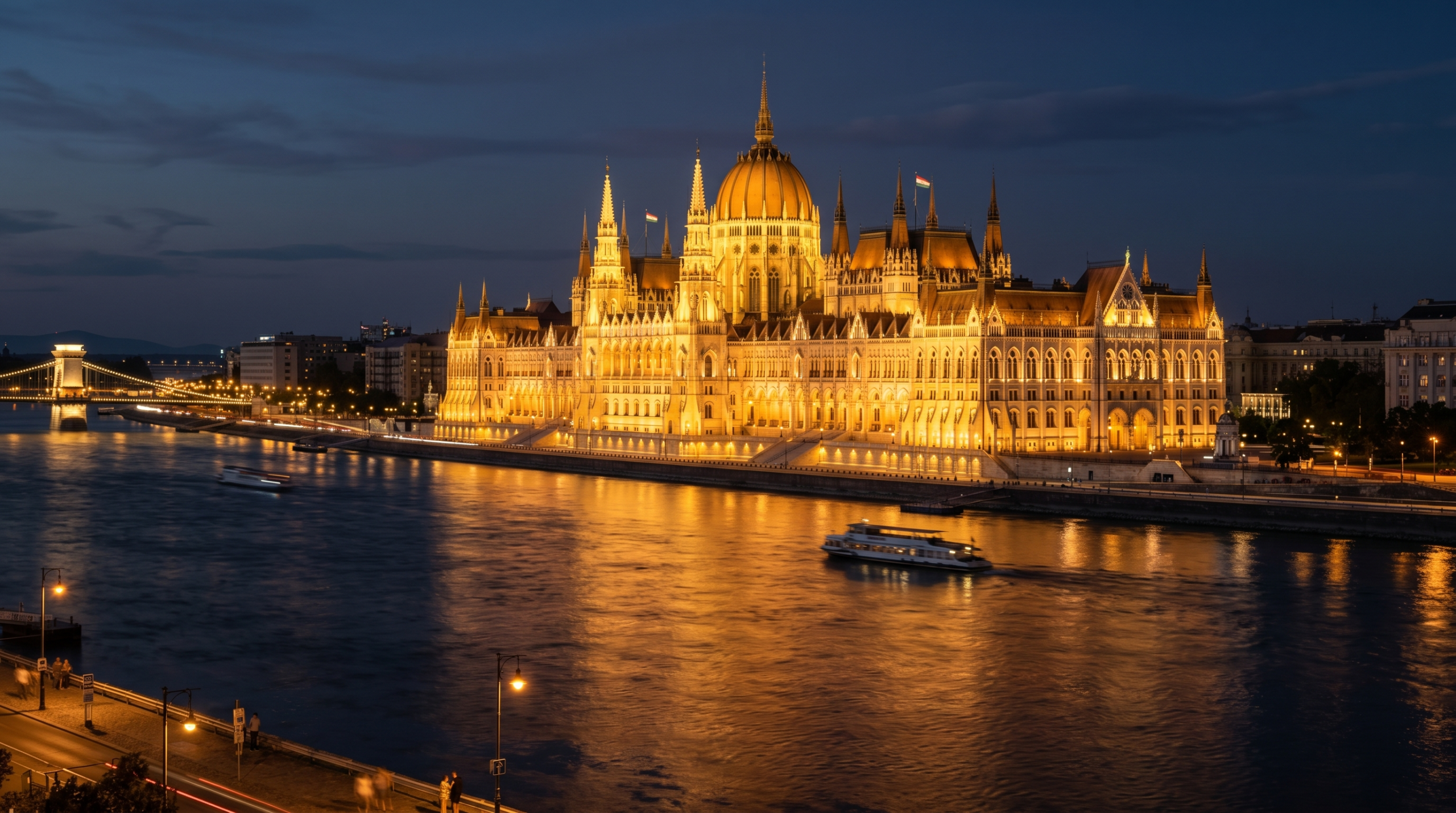
The victor, 45-year-old Budapest lawyer Péter Magyar, leads the newly established Tizsa party. Magyar, who previously spent two decades affiliated with Fidesz before breaking away, successfully united voters across the political spectrum who sought governmental change. In his victory address at a square across from Hungary’s Parliament building, Magyar declared that supporters had “ousted the Orbán regime and liberated Hungary.”
Orbán’s political journey began when he first gained prominence in the late 1980s as a law student speaking against communist rule. His politics gradually shifted from liberal to conservative-nationalist positions. When Fidesz achieved a two-thirds parliamentary majority in 2010, Orbán characterized the victory as a “revolution” that would end what he described as rule by former communists.
The 2010 electoral success came amid Hungary’s economic difficulties during the Great Recession. The previous governing Hungarian Socialist Party had become deeply unpopular following corruption scandals and economic troubles. A particularly damaging 2006 leaked recording of Socialist leader Ferenc Gyurcsány admitting to lying and governmental failures helped pave the way for Orbán’s rise.
During his tenure, Orbán implemented what he termed an “entirely new system” prioritizing national interests and patriotism. The two-thirds parliamentary majority allowed Fidesz to rewrite Hungary’s Constitution, which had retained elements from the 1949 communist-era document.
Corruption emerged as a primary concern among voters leading to the recent electoral shift. Investigations revealed various scandals during the 16-year rule, including allegations of vote-buying schemes in rural areas and concerns about media control. A notable symbol of alleged excess was the construction of a large soccer stadium and sports academy in Felcsút, a village of 1,700 people near Orbán’s childhood home. The facility was built by a construction company owned by Lőrinc Mészáros, who became one of Hungary’s wealthiest individuals, reportedly through state contracts.
The economic situation also influenced voter sentiment. While Hungary experienced steady growth and declining unemployment for much of Orbán’s tenure, challenges emerged following the coronavirus pandemic in 2020. Additionally, the European Union withheld billions of euros in funding due to concerns about governance issues.
Orbán’s rhetoric during his time in office frequently focused on perceived threats, including references to communists domestically, migrants at borders, and international liberal influences. This messaging resonated with historical Hungarian concerns about foreign intervention, given the country’s experiences with Ottoman, Habsburg, and Soviet control.
The electoral outcome represents a significant shift in Hungarian politics after 16 years of Fidesz governance. Magyar’s coalition drew support from diverse political backgrounds united by desire for change. The high voter turnout demonstrates strong public engagement with the democratic process.
This political transition occurs as Hungary continues its integration with European institutions while navigating its distinct national identity and historical experiences. The change in leadership marks the end of one of Europe’s longest-serving governmental tenures of recent decades.
Leave a Reply