
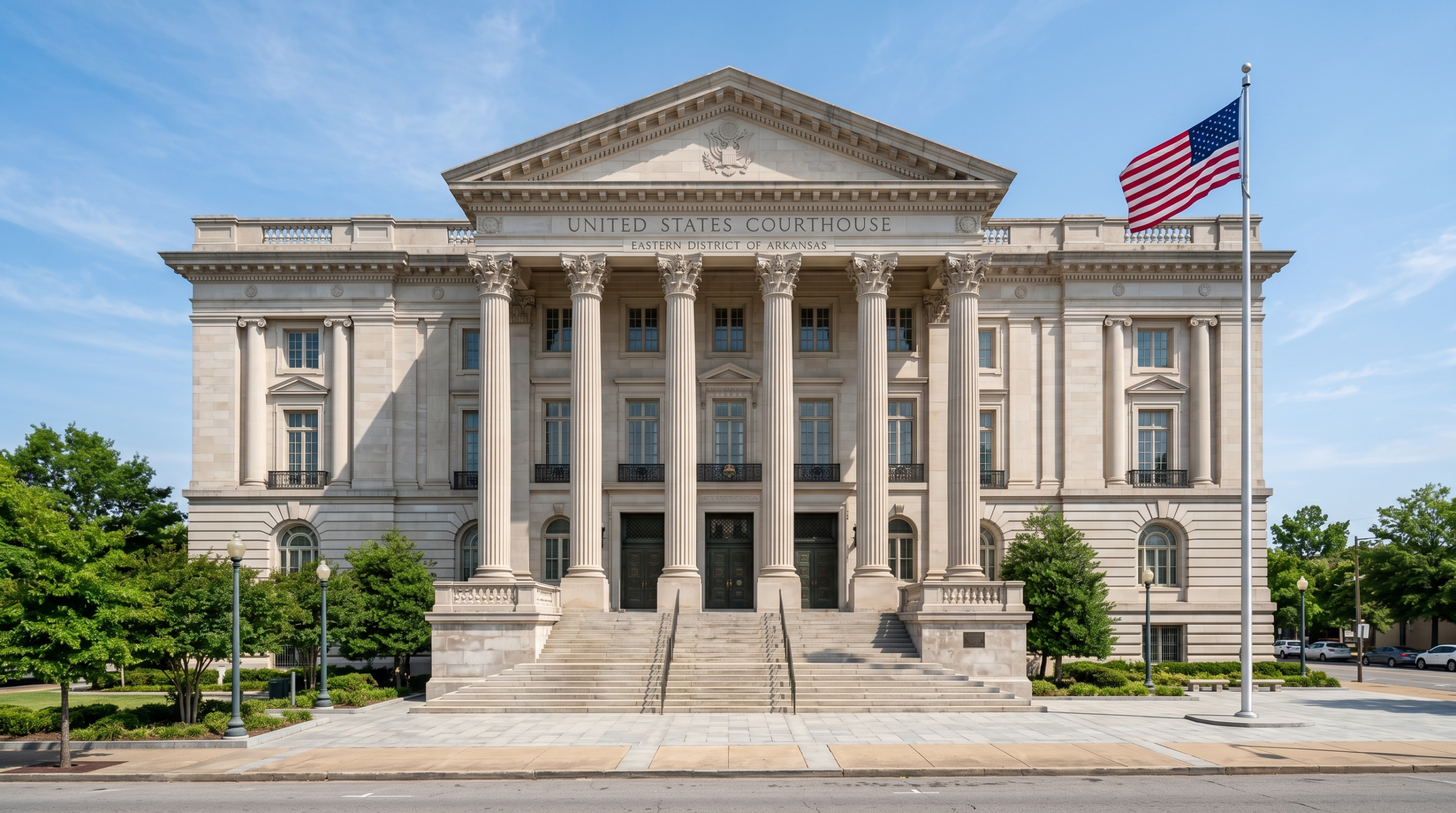
A federal judge in Arkansas has issued a preliminary injunction preventing the state from enforcing its Social Media Safety Act, which was scheduled to take effect on April 21, 2026. The ruling came in response to a legal challenge filed by NetChoice, an internet trade association representing major technology companies.
The blocked legislation sought to implement comprehensive regulations governing how social media platforms interact with younger users in Arkansas. Under the proposed law, the age of majority for social media use would have been lowered from 18 to 16 years old, fundamentally changing how platforms verify and manage accounts for teenage users.
The Social Media Safety Act contained several key provisions designed to protect minors online. The law would have prohibited social media companies from employing what legislators termed “addictive” practices when engaging with young users. Additionally, platforms would have been required to implement specific default privacy and safety settings for all minor accounts.
Another significant component of the legislation mandated that social media companies create online dashboards accessible to parents. These dashboards would have provided parents with tools to monitor and control their children’s social media activities, giving them unprecedented oversight capabilities.
In granting the preliminary injunction, the court identified several constitutional concerns with the Arkansas law. The judge found that the provision addressing “addictive practices” suffered from what the court described as “objectionable vagueness.” This lack of clarity in defining what constitutes an addictive practice raised significant legal questions about how platforms could comply with the law.
The ruling emphasized that the legislation threatened First Amendment freedoms through what the court characterized as “improper application.” The judge noted that these constitutional protections are particularly “delicate and vulnerable” when it comes to regulating online speech and expression.
The decision represents a significant victory for NetChoice, which has challenged similar social media regulations in multiple states. The organization has consistently argued that state-level attempts to regulate social media platforms raise constitutional concerns and create a patchwork of conflicting requirements that are difficult for companies to navigate.
The Arkansas Social Media Safety Act was part of a broader wave of state legislation aimed at addressing concerns about social media’s impact on young people. Lawmakers across the country have increasingly focused on regulating how technology companies design their platforms and interact with minor users, citing concerns about mental health, privacy, and online safety.
The preliminary injunction means that the law cannot be enforced while the legal challenge proceeds through the courts. This gives both sides time to present more detailed arguments about the constitutionality and practical implications of the regulations.
The case highlights ongoing tensions between state efforts to protect minors online and constitutional protections for free speech. As social media continues to play a central role in young people’s lives, courts are increasingly being asked to balance child safety concerns with First Amendment rights and questions about government regulation of online platforms.
The ruling in Arkansas may influence similar legal challenges in other states where comparable legislation has been proposed or enacted. The decision adds to a growing body of case law examining the limits of state authority to regulate social media platforms and protect minors in digital spaces.
Leave a Reply