
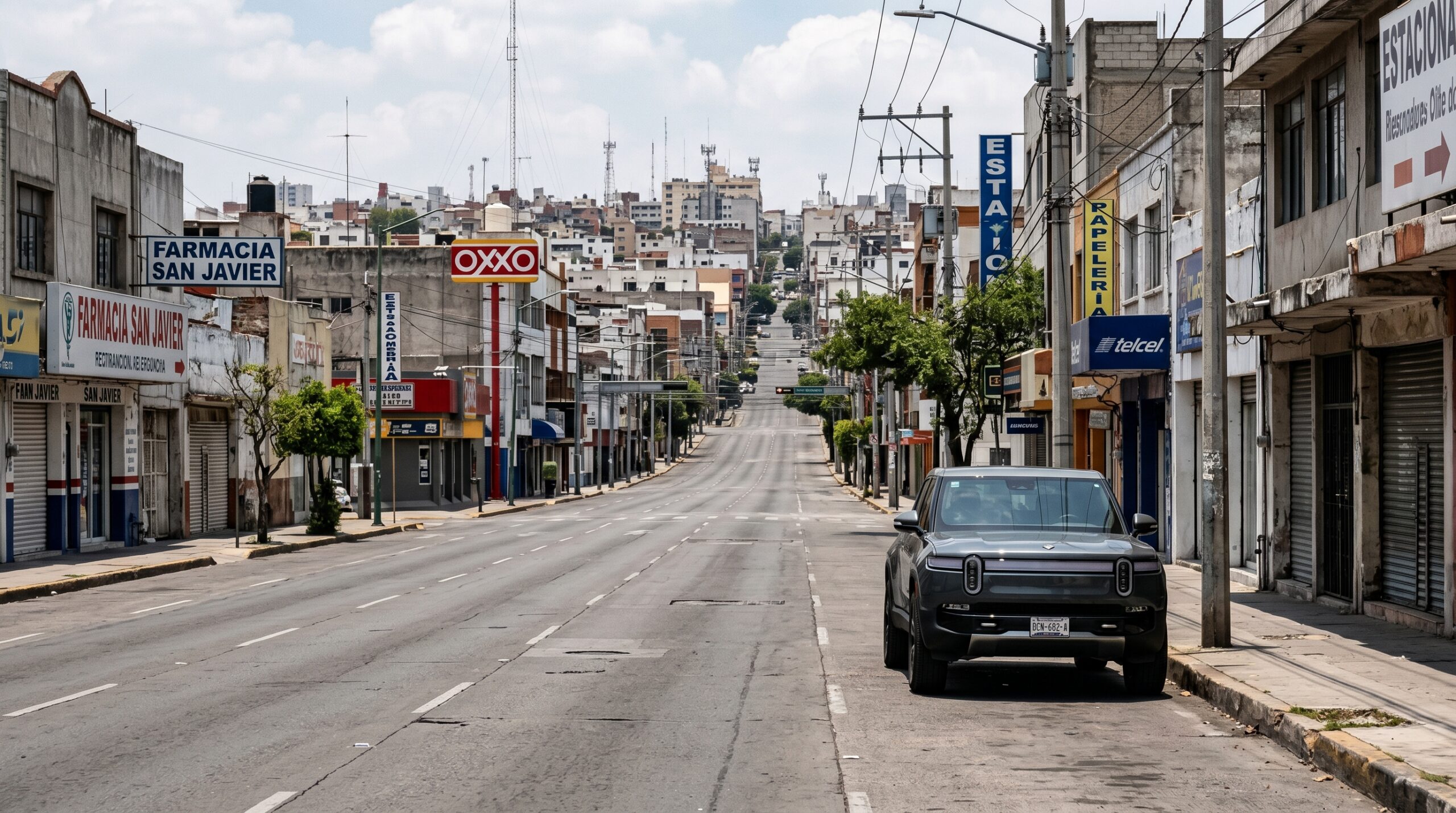
A dramatic kidnapping captured on video has raised questions about the relationship between social media personalities and organized crime in Mexico’s Sinaloa state. The incident, which occurred in January in Culiacán, involved 20-year-old Nicole Pardo, an influencer with over 211,000 followers who operates under various social media handles.
The abduction was recorded by cameras on Pardo’s Tesla Cybertruck when a white sedan approached her vehicle on a roadside. The 41-second footage shows two young men emerging from the car, one carrying an automatic weapon while attempting to conceal his identity with an oversized red shirt. Despite Pardo’s attempts to prevent the passenger door from opening, she was forced into the vehicle, which then drove away.
The incident quickly went viral, sparking widespread speculation about Pardo’s fate. Her disappearance came amid an escalating conflict between two rival factions of a major criminal organization in Sinaloa – groups known locally as the Chapitos and Mayiza. This internal struggle has claimed multiple lives among local influencers since 2024.
Approximately one year before Pardo’s kidnapping, pamphlets were distributed from a low-flying aircraft over Culiacán, featuring photographs of 25 local social media personalities. The flyers warned residents to avoid these individuals, claiming they were financing criminal activities. Three faces on the list were marked as eliminated. Among those named was Grammy-winning musician Peso Pluma.
Since the pamphlets appeared, at least nine influencers from that list have been killed. Victims include Leobardo Aispuro Soto, known for comedy content, and Gail Castro, brother of prominent YouTuber Marcos Eduardo Castro Cárdenas, who has nearly five million followers. Castro was shot in an Ensenada restaurant in April 2025 after his family received months of threats.
During Pardo’s captivity, a video surfaced showing her in a dark tracksuit, reading from what appeared to be a prepared statement. In the recording, she claimed involvement in transporting illegal materials and paying off state police for the Mayiza faction. Her delivery was notably calm and professional.
Pardo was found alive the same day the video appeared, though circumstances surrounding her release remain unclear. Former Sinaloa Governor Rubén Rocha Moya, who has since taken leave following allegations of protecting criminal groups, acknowledged her rescue but provided few details. When pressed by reporters, he admitted uncertainty about whether she had been released, rescued, or had escaped.
Weeks after her return, Pardo addressed the incident in a two-hour online statement that was later removed from the platform. She claimed to operate a legitimate business selling clothing and accessories inspired by regional culture, reportedly earning approximately $400,000 over two years. She alleged her captors, whom she identified as members of the Chapitos faction, forced her to read the scripted video statement and released her due to media attention the case generated.
Pardo maintained that her kidnappers misunderstood her social media presence, believing fabricated narratives about her connections to criminal activities. She insisted she was simply an ordinary young woman caught up in circumstances beyond her control.
The incident highlights the complex and often dangerous intersection between social media influence and organized crime in regions where criminal groups maintain significant territorial control. Many influencers in Sinaloa cultivate personas that reference or celebrate regional criminal culture through music, fashion, and lifestyle content, creating ambiguity about their actual relationships with criminal organizations.
This ambiguity has proven deadly for some content creators who find themselves caught between warring factions, regardless of their actual involvement in criminal activities. The ongoing violence has forced several high-profile influencers to flee the region, while others continue operating despite the risks.
Leave a Reply