
The United States Supreme Court revealed deep divisions among its conservative members Wednesday in a case involving an Army specialist who was severely injured during a Taliban suicide bombing at a military base in Afghanistan.
The court ruled 6-3 that former Army specialist Winston T. Hencely could proceed with his lawsuit against a military contractor in state court. Hencely seeks to hold the contractor accountable for allegedly negligent hiring and supervision practices that allowed Taliban operative Ahmad Nayeb to carry out the attack.
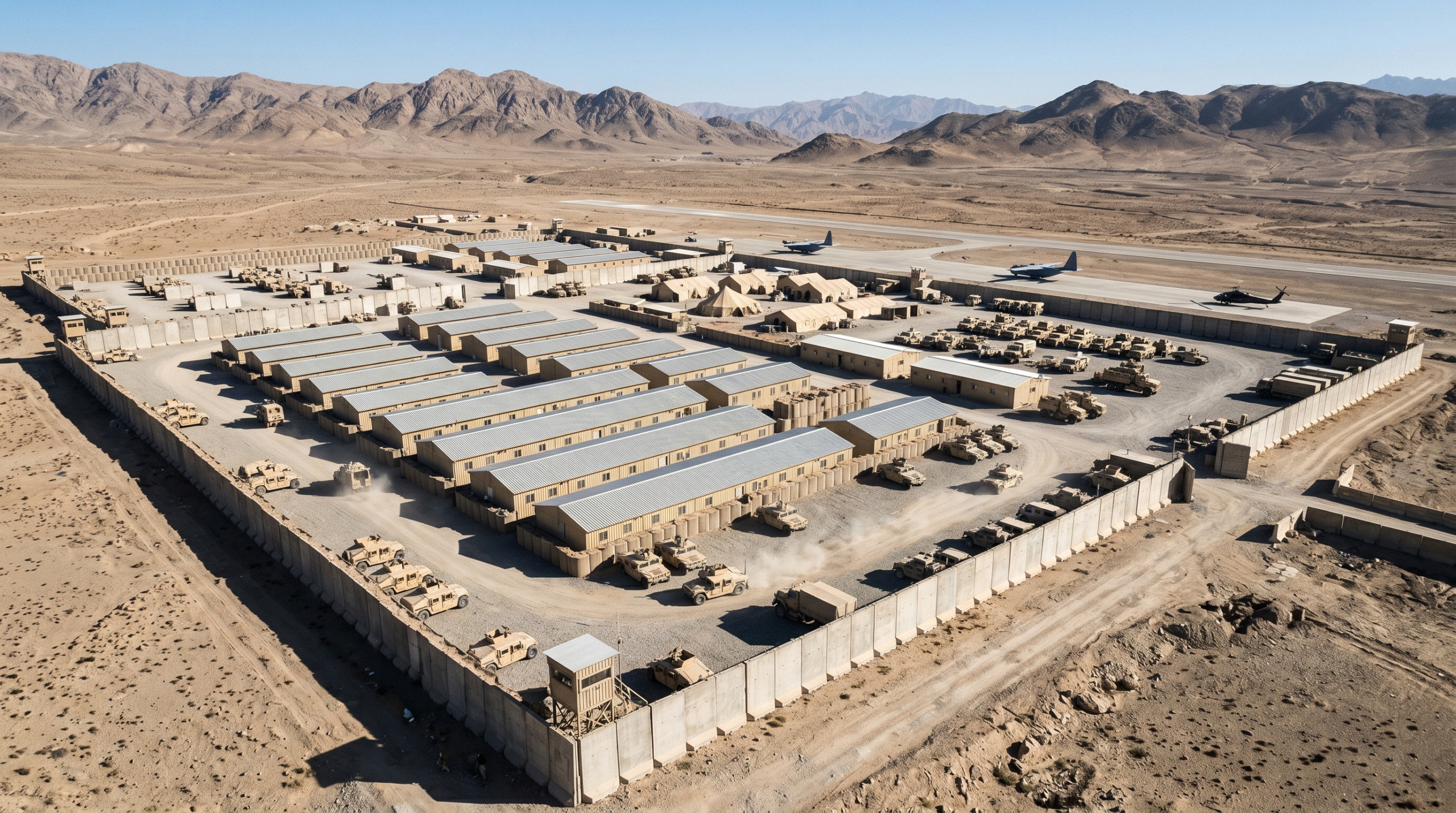
The November 12, 2016 incident occurred at Bagram Airfield when Hencely, then 20 years old, noticed Nayeb approaching a Veterans Day 5K race. When Hencely moved to question the suspicious individual, Nayeb detonated a suicide vest. The explosion killed five people and wounded seventeen others. Hencely sustained a fractured skull and brain injuries that left him permanently disabled. Military officials later determined that Hencely’s intervention likely prevented a far greater tragedy.
Justice Clarence Thomas authored the majority opinion, joined by Justices Neil Gorsuch, Amy Coney Barrett, Ketanji Brown Jackson, Elena Kagan, and Sonia Sotomayor. Thomas argued that the Fourth Circuit Court of Appeals erred in concluding that federal law preempted Hencely’s state court claim.
Thomas wrote that the preemption rule applied by the lower court lacks any foundation in the Constitution, federal statutes, or established precedents. He emphasized that Nayeb’s conduct was neither ordered nor authorized by the federal government. The justice further stated that the Constitution’s grant of war powers to Congress and the Executive Branch does not automatically bar all tort claims connected to war zones.
The majority opinion rejected the notion that federal war powers create blanket immunity for contractors operating in combat zones. Thomas noted that plaintiffs have historically been able to enforce their legal rights even when violations occur during wartime, absent specific statutory or constitutional barriers.
Justice Samuel Alito authored a dissenting opinion, joined by Chief Justice John Roberts and Justice Brett Kavanaugh. The dissent expressed concern that the majority’s decision effectively allows states to regulate federal security arrangements at military bases in active war zones.
Alito argued that the Constitution exclusively entrusts war-making and combat operations to Congress and the President, explicitly excluding states from this domain. He maintained that no state law, including tort law, should intrude upon federal authority over combat-related operations. The dissenting justices warned that allowing such lawsuits violates fundamental constitutional principles regarding the separation of powers.
The dissent also raised practical concerns about the implications for future trials. Alito predicted that the court’s decision would likely implicate government policy decisions about military base operations during wartime. He suggested that permitting state court litigation could interfere with federal military strategy and operational decisions.
This unusual split among the court’s conservative justices highlights ongoing debates about the scope of federal immunity in military contexts and the rights of service members to seek legal remedies for injuries sustained during military service. The case now returns to state court where Hencely’s lawsuit against the contractor can proceed.
Leave a Reply