
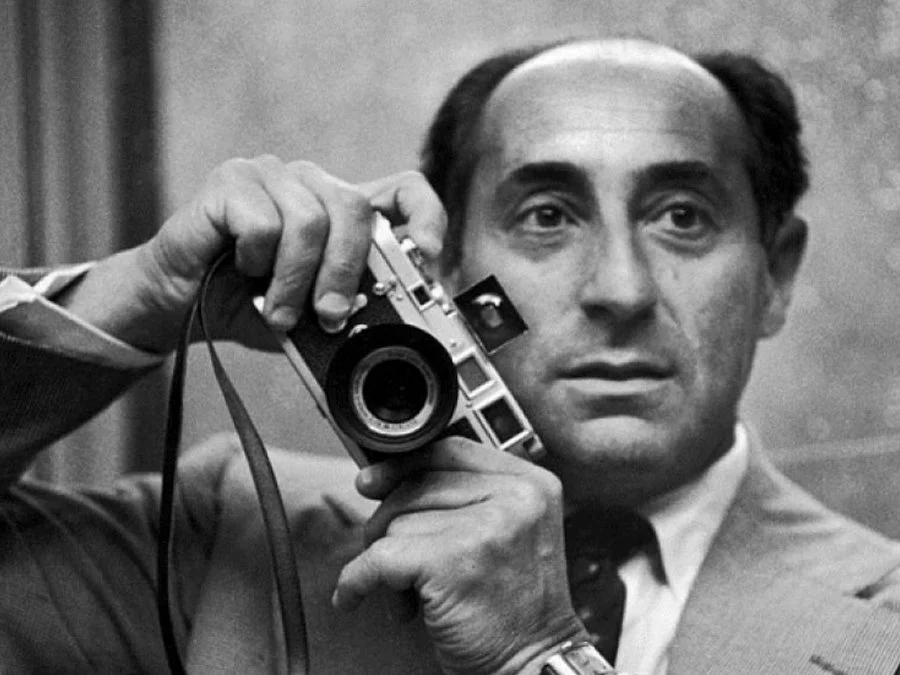
In 1933, photographer Alfred Eisenstaedt captured an image that would later become one of the most powerful portraits associated with pre-World War II Germany. The photograph, often referred to as “Eyes of Hate,” features Joseph Goebbels, a leading figure in the Nazi regime.
At the time, Eisenstaedt was working as a photojournalist, documenting public figures and events. The photograph of Goebbels was initially intended to be a standard press image.
According to Eisenstaedt’s later recollection, Goebbels had been posing calmly for the camera. However, the situation changed when Goebbels became aware of the photographer’s background.
In that moment, Goebbels’s expression shifted noticeably. His demeanor became tense, and his facial expression reflected visible hostility, which was captured directly in the photograph.
The resulting image stood out from typical portraits. Rather than presenting a composed public figure, it revealed a more intense and personal reaction.
Over time, the photograph gained recognition not only for its composition but also for what it appeared to represent — a moment that exposed deeper attitudes during a critical period in history.
Eisenstaedt later reflected that the change in expression made the photograph stronger, as it captured something genuine rather than staged.
Today, “Eyes of Hate” remains one of the most discussed historical photographs, often referenced as a visual representation of the tensions and ideologies that would soon impact the world.
Leave a Reply