
A federal court has denied an attempt by nearly 200 East Palestine, Ohio, residents to rescind personal injury releases they signed as part of a $600 million class action settlement stemming from the February 2023 train derailment that released toxic chemicals into the community.
U.S. District Judge Benita Pearson issued a 29-page ruling on Friday, rejecting the residents’ September 2025 motion to overturn their agreements. The group had alleged that Norfolk Southern and class counsel employed a calculated strategy to rush the settlement process while concealing the true extent of long-term health risks from the chemical exposure.
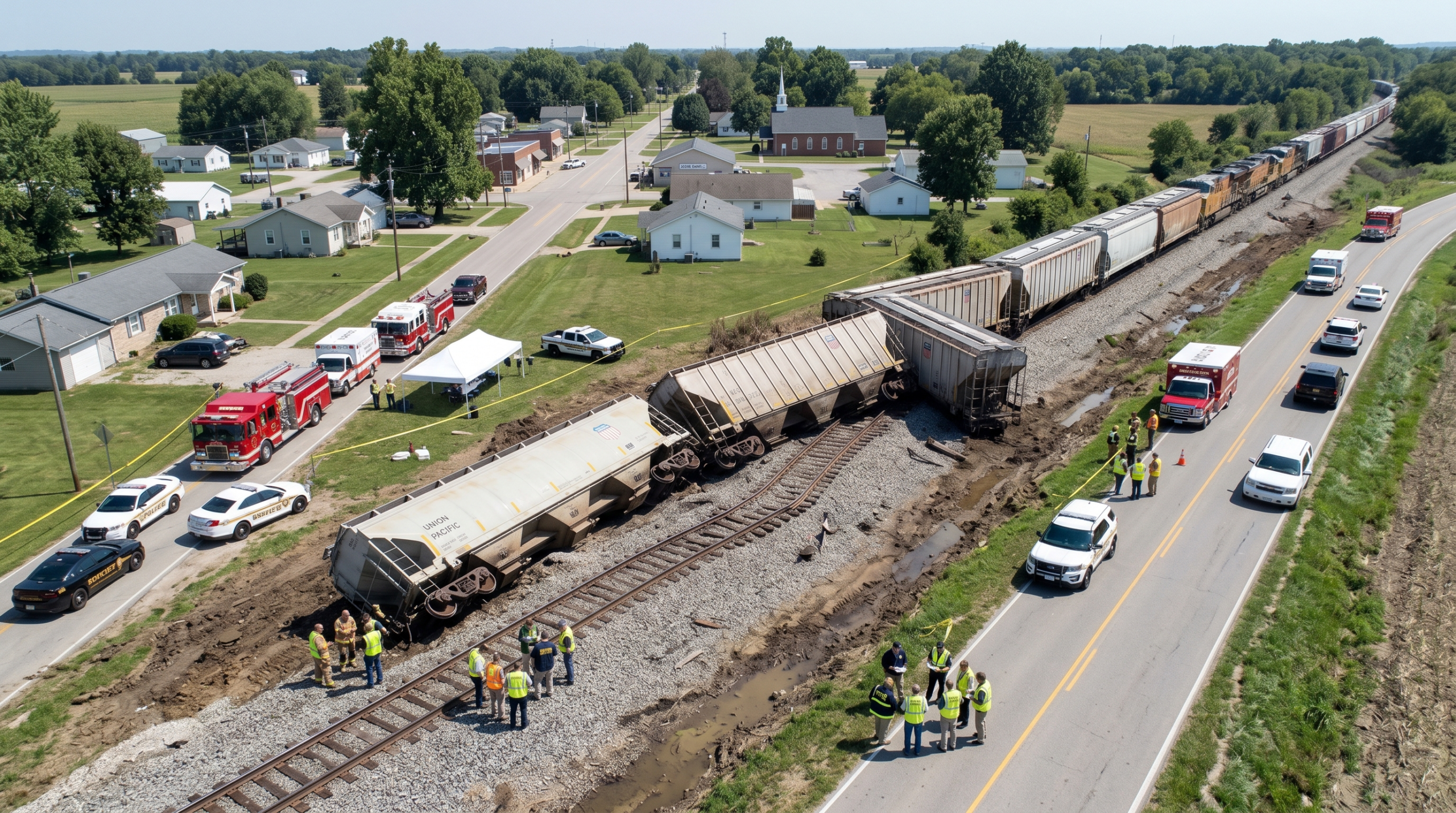
The derailment occurred on February 3, 2023, in East Palestine, a village located near the Ohio-Pennsylvania border. At least 38 railcars released hazardous chemicals into the surrounding air, soil, and water systems. The incident prompted approximately 55,000 claims from individuals living within a 20-mile radius of the accident site, with residents expressing serious concerns about their health, water safety, and environmental contamination.
The $600 million settlement established three distinct payment categories. One category offered optional compensation to class members residing within 10 miles of the derailment site who agreed to waive future personal injury claims related to the incident. The residents challenging the settlement argued they were pressured into accepting the agreement before receiving complete expert assessments regarding potential toxic contamination levels.
Judge Pearson determined that the residents had not provided sufficient evidence to establish they were defrauded into relinquishing their litigation rights. She noted that simply presenting conflicting professional opinions about health risk severity does not constitute fraud. The judge emphasized that concerns about dioxins and potential long-term health effects were not hidden from the public, having been discussed in court filings and media coverage for months before residents signed their releases.
A significant point of contention involved a town hall presentation by toxicologist Dr. Chip Carson, who stated that long-term health risks were substantially less than one percent. Other experts challenged this assessment, arguing it was premature to predict long-term effects. The residents also raised questions about Carson’s independence, claiming he had close ties to class counsel. Judge Pearson dismissed these concerns, noting that Carson was not compensated for his work and that his conclusions aligned with other scientific studies.
The residents had sought relief under a federal rule that permits courts to set aside final judgments under extraordinary circumstances. However, Judge Pearson found this standard had not been satisfied. She stated that the rule does not provide relief from deliberate choices, even when subsequent events suggest those decisions may have been unwise.
The judge stressed that residents maintained individual autonomy in deciding whether to participate in the personal injury payment portion of the settlement. They were not obligated to release their personal injury claims, and each person could make their own determination about participation. Many of the challenging residents had already cashed their settlement checks.
Judge Pearson also referenced a Sixth Circuit ruling that concluded allowing a small fraction of the 55,000 claimants to reverse the agreement would be inequitable to the broader community. Such action could jeopardize the financial stability of thousands of households and businesses expecting their portion of the $600 million fund.
The ruling represents a significant development in the ongoing legal aftermath of one of the most notable train derailments in recent years, effectively closing the door on attempts to reopen settled claims related to the incident.
Leave a Reply