
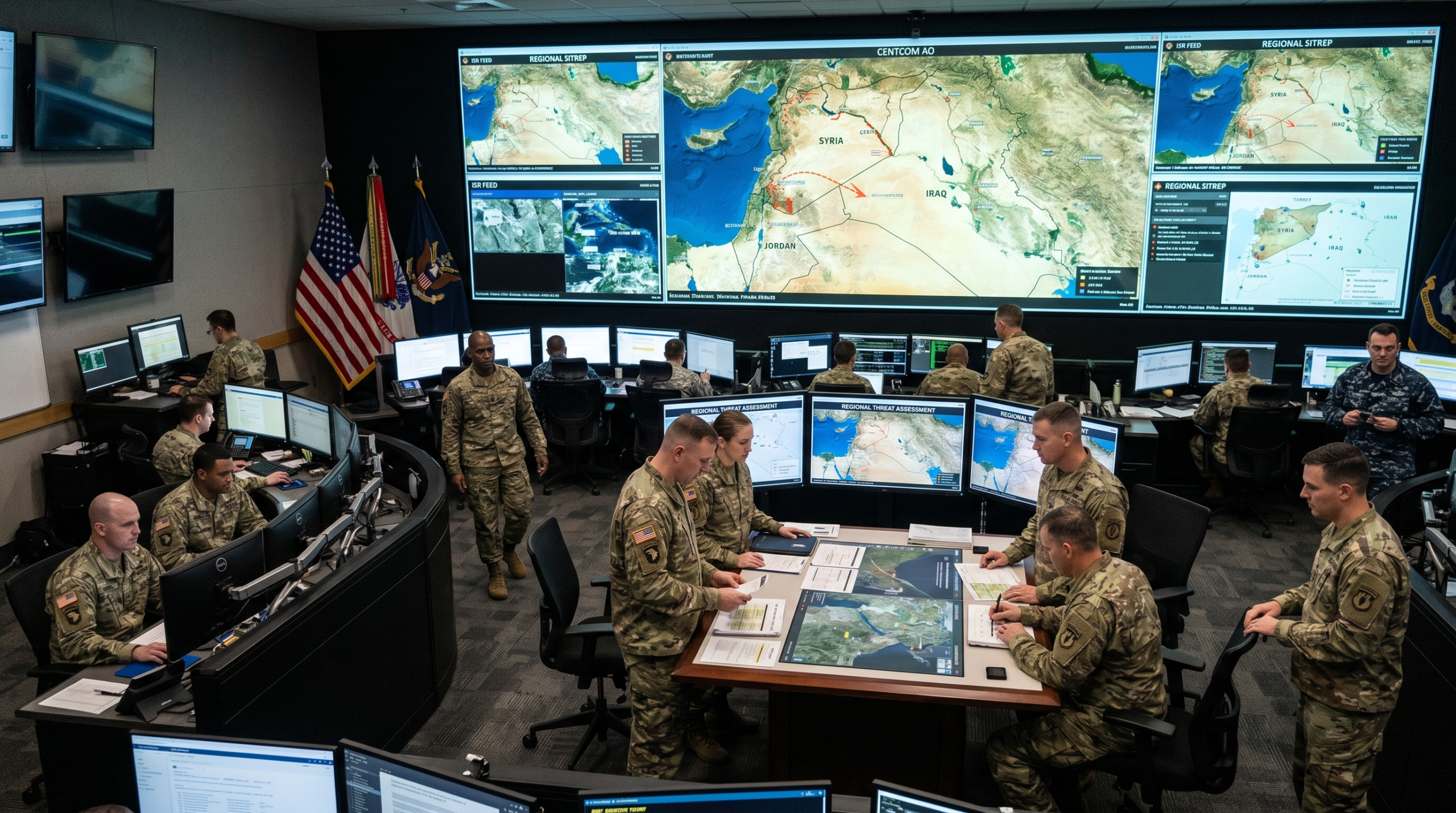
The White House has officially informed congressional leadership that military operations against Iran, which began on February 28, 2026, have been terminated. The announcement came on the final day of a 60-day period during which the president could conduct military operations without congressional authorization under the War Powers Resolution.
In letters sent to Senate President Pro Tempore Chuck Grassley of Iowa and House Speaker Mike Johnson, President Donald Trump confirmed that a two-week ceasefire beginning April 7 had held without any exchange of fire between American forces and Iranian military units. The correspondence emphasized that while active hostilities have ceased, the administration maintains that Iran continues to pose a significant threat to regional stability.
The notification arrives after a series of extensive military operations conducted jointly with Israel that resulted in the death of Iran’s Supreme Leader Ayatollah Ali Khamenei and caused substantial damage to the country’s naval capabilities and missile infrastructure. The campaign also included Operation Midnight Hammer, a targeted strike on Iran’s primary nuclear enrichment facility that administration officials claim severely disrupted the nation’s nuclear program.
Despite declaring the formal end of combat operations, the president indicated that American military forces would maintain an adjusted presence in the region. The Department of War plans to continue updating force positioning in select countries to counter potential threats from Iranian proxy forces and safeguard allied interests in the Middle East.
The president’s position on the War Powers Resolution has been contentious. Speaking to reporters before sending the congressional notification, Trump characterized the resolution as unconstitutional and suggested that the ceasefire provided additional time for potential unilateral military action if necessary. He compared the current situation to what he described as a victory similar to operations in Venezuela, where American forces captured former President Nicolas Maduro in a January strike in Caracas.
Congressional efforts to block continued military action against Iran have faced challenges. Senate Republicans have voted down multiple Democratic-led attempts to invoke the War Powers Resolution to halt the operations. The debate over congressional authorization for military force continues to divide lawmakers along partisan lines.
Defense Secretary Pete Hegseth testified before the House Armed Services Committee this week, asserting that the administration had successfully achieved the goal of preventing Iran from developing nuclear weapons capability. He emphasized that the military campaign had substantially degraded Iran’s ability to project power in the region.
A significant unresolved issue remains the status of the Strait of Hormuz, which Iran has closed, creating substantial disruption to global commerce. Tehran has offered to reopen the critical waterway in exchange for deferring discussions about its nuclear program, an overture Washington has declined. The president indicated Friday that he was not satisfied with Iran’s latest negotiating position.
The formal termination of hostilities marks a significant development in the recent Middle East conflict, though the continued military presence and unresolved diplomatic issues suggest that tensions between Washington and Tehran remain elevated. The administration has committed to keeping Congress informed of any significant changes to force deployment in the region as diplomatic efforts continue.
Leave a Reply