
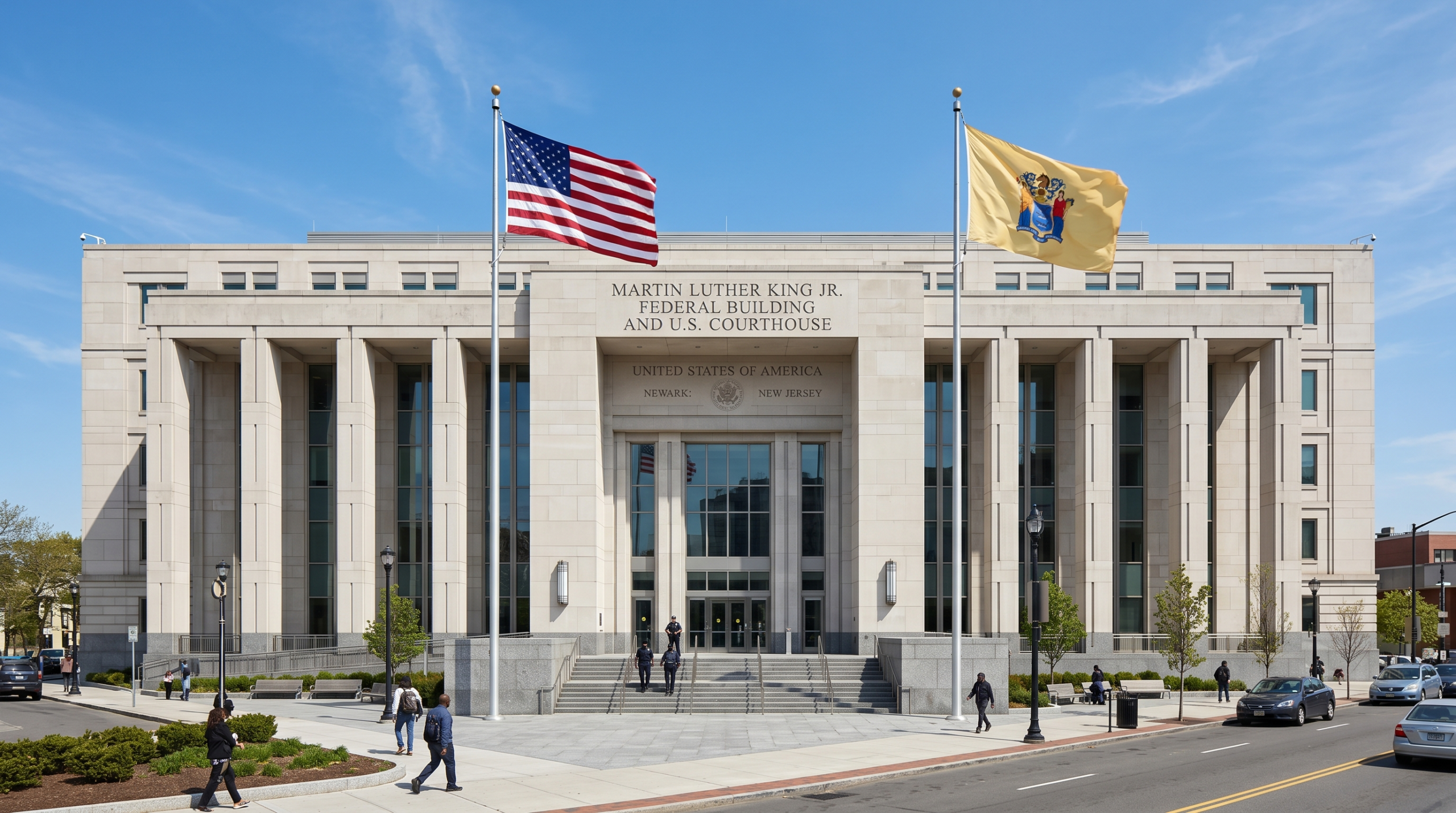
The Department of Justice has initiated legal action against New Jersey Governor Mikie Sherrill and state Attorney General Jennifer Davenport, challenging a recently enacted state law that prohibits federal immigration enforcement officers from wearing face coverings during operations.
The federal lawsuit, filed Wednesday in a New Jersey federal court, characterizes the state legislation as unconstitutional and claims it endangers officer safety while impeding federal operations. The 24-page complaint argues that the law forces federal officers to choose between their personal safety and potential legal consequences under state law.
Governor Sherrill signed the legislation into law last month, positioning New Jersey among a small number of states implementing such regulations on federal immigration agents. The law mandates that Immigration and Customs Enforcement agents must clearly identify themselves during enforcement activities and prohibits them from concealing their faces.
When announcing the legislation on March 25, 2026, Sherrill stated that masked individuals claiming to be law enforcement would not be tolerated in the state. Federal agents who violate the law face charges as disorderly persons, though exceptions exist for undercover operations, transparent face shields, and medical-grade masks worn for health purposes or during emergencies.
The dispute over agent identification has intensified as immigration enforcement operations have expanded under the current administration. According to a report from The Trace, immigration agents have discharged their weapons in 24 incidents during enforcement actions since President Donald Trump assumed office last year. The administration’s immigration enforcement efforts have reportedly resulted in deaths of several U.S. citizens and dozens of immigrants in custody.
Proponents of the state law argue that federal agents, as public servants similar to police officers, should be readily identifiable for accountability purposes. Concerns have also been raised about the potential for criminals to impersonate immigration officers, with multiple such incidents reported over the past year.
The federal government maintains that face coverings are necessary for officer protection, citing increased harassment of agents. The lawsuit describes incidents where officers have been followed from work, with at least one officer’s family allegedly being assaulted and threatened after being followed home. The complaint also mentions officers being tracked to their hotels while deployed.
The Department of Homeland Security, which oversees Immigration and Customs Enforcement and Customs and Border Protection, has declared it will not comply with the New Jersey law, invoking the Supremacy Clause as legal justification. The federal government argues that while it won’t enforce the state law, the threat of state enforcement creates a chilling effect on officers’ ability to protect themselves and perform their duties.
Similar legislation has been enacted in Washington and California, with Democrats in approximately two dozen other states proposing comparable restrictions on federal law enforcement face coverings. California’s law is currently suspended after a judge blocked it in February due to concerns about inconsistent enforcement across different law enforcement agencies.
Attorney General Davenport responded Wednesday, stating she anticipates defending the state’s position in court. She criticized the federal government’s stance on masking, arguing it undermines public trust and accountability while facilitating criminal impersonation of officers. Davenport emphasized that the federal government has not adequately explained when or why its officials need to mask themselves or avoid identification, particularly given public safety concerns associated with anonymous policing.
The attorney general characterized New Jersey’s approach as a thoughtful and careful response to significant public safety concerns. The governor’s office has not yet provided comment on the federal lawsuit.
Leave a Reply