
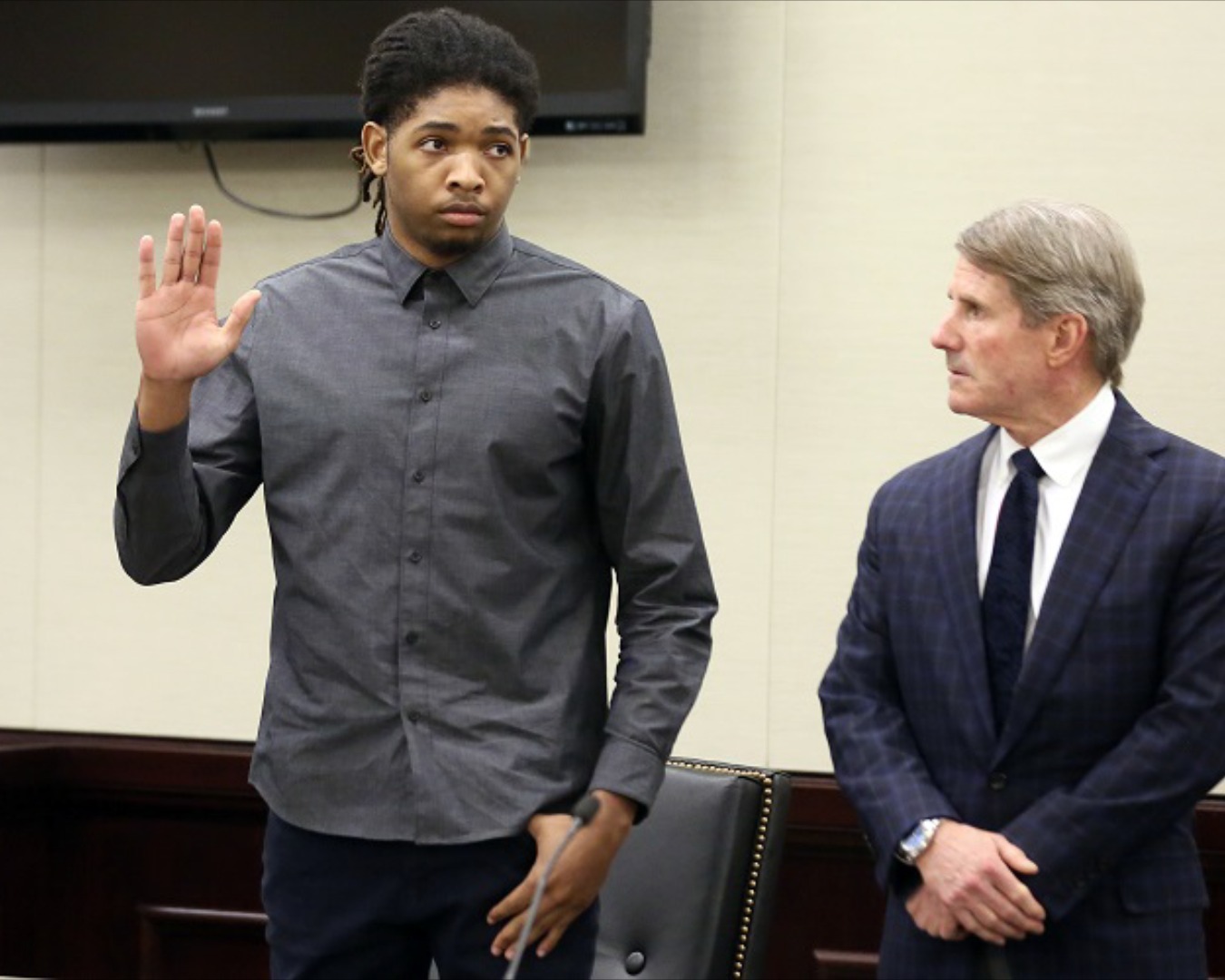
In 2021, a case in Blacksburg, Virginia, involving Virginia Tech football player Isimemen Etute drew national attention and sparked debate over self-defense and personal safety.
Etute, then 18, had matched on a dating app with a profile identifying as “Angie,” which used photos of a woman. The two arranged to meet at an apartment. During the first encounter, Etute later testified that the room was dark and he did not clearly see the individual.
A second meeting was arranged for May 31, 2021. According to court testimony, Etute used his phone’s flashlight during the visit and realized that the person he had been communicating with was not the individual shown in the profile photos, but a 40-year-old man named Jerry Smith.
Etute told the court that he felt shocked and believed he was in danger during the encounter. He testified that he thought Smith might be reaching for a weapon, prompting him to strike Smith before leaving the apartment.
Authorities later confirmed that Smith died from blunt force trauma. A knife was found under a mattress in the apartment, though prosecutors argued it was not accessible during the incident.
Etute was charged with second-degree murder. During the 2022 trial, his defense argued that his actions were driven by fear and self-defense.
After deliberation, the jury returned a not guilty verdict.
The case generated widespread discussion about the role of deception, perceived threat, and how self-defense is interpreted in sudden and unexpected situations.
Leave a Reply