
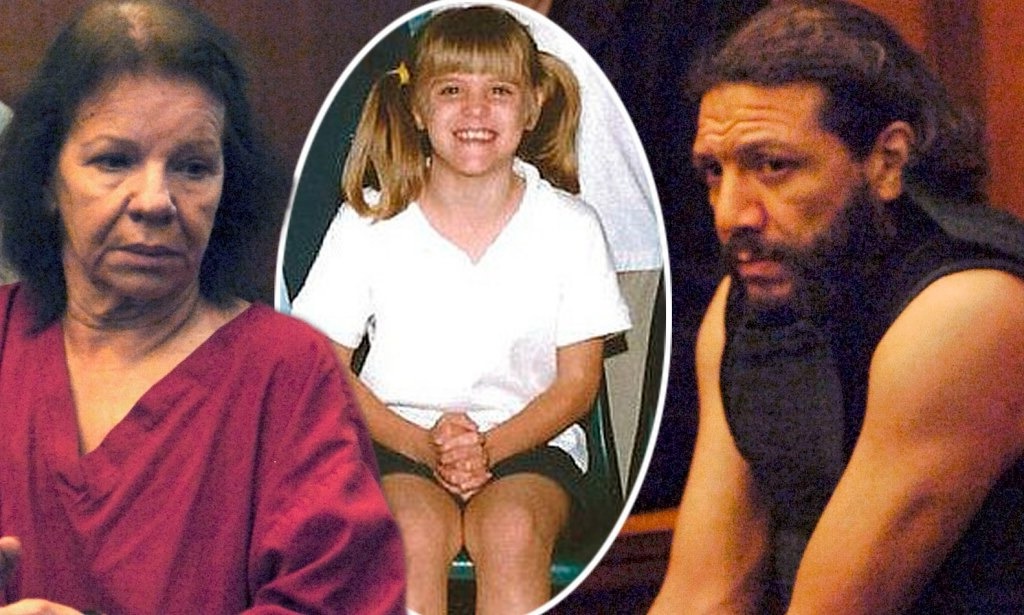
In February 2011, Florida authorities uncovered one of the most devastating child welfare failures in the state’s history involving ten-year-old Nubia Barahona and her twin brother, Victor.
Emergency responders were called to Interstate 95 in West Palm Beach, where they found their adoptive father, Jorge Barahona, pulled over on the side of the road inside his truck. Victor was found alive but suffering from severe chemical injuries, immediately raising serious concerns.
Investigators soon realized that Nubia was missing.
Later that day, her body was discovered in the back of the vehicle, revealing the full scope of what had happened.
As authorities examined the family’s background, they uncovered a history filled with warnings. Teachers and neighbors had repeatedly reported concerns about the twins’ safety to Florida’s Department of Children and Families (DCF). Despite multiple alerts, cases were closed or dismissed without intervention.
At the same time, investigators noted that other children in the household did not show similar signs of harm, raising further questions about targeted abuse.
The case quickly sparked widespread outrage across Florida, not only because of the tragedy itself, but because numerous opportunities existed to prevent it. Subsequent reviews found that oversight failures occurred at multiple levels within the child protection system.
In 2017, Carmen Barahona, the adoptive mother, pleaded guilty to first-degree mrder and aggravated child abuse, accepting a life sentence to avoid the dath penalty.
Jorge Barahona was later convicted and ultimately sentenced to dath for his role in Nubia’s dath and the abuse of both children.
The Barahona case became a turning point, leading to reforms, audits, and renewed scrutiny of how child welfare agencies handle repeated reports of abuse.
Today, Nubia’s story remains a painful reminder of the consequences when systems designed to protect vulnerable children fail to act.
Leave a Reply