
A significant legal battle is unfolding in Hawaii as state officials pursue consumer protection claims against a major social media platform, alleging the company deliberately designed features to addict minors while misrepresenting the platform’s safety to parents and the public.
The case, filed in December by Attorney General Anne Lopez in Oahu First Circuit Court, centers on allegations that the platform employed manipulative design features specifically engineered to maximize youth engagement. The state claims internal company documents reveal executives were aware of potential harms to young users but prioritized profit over safety concerns.
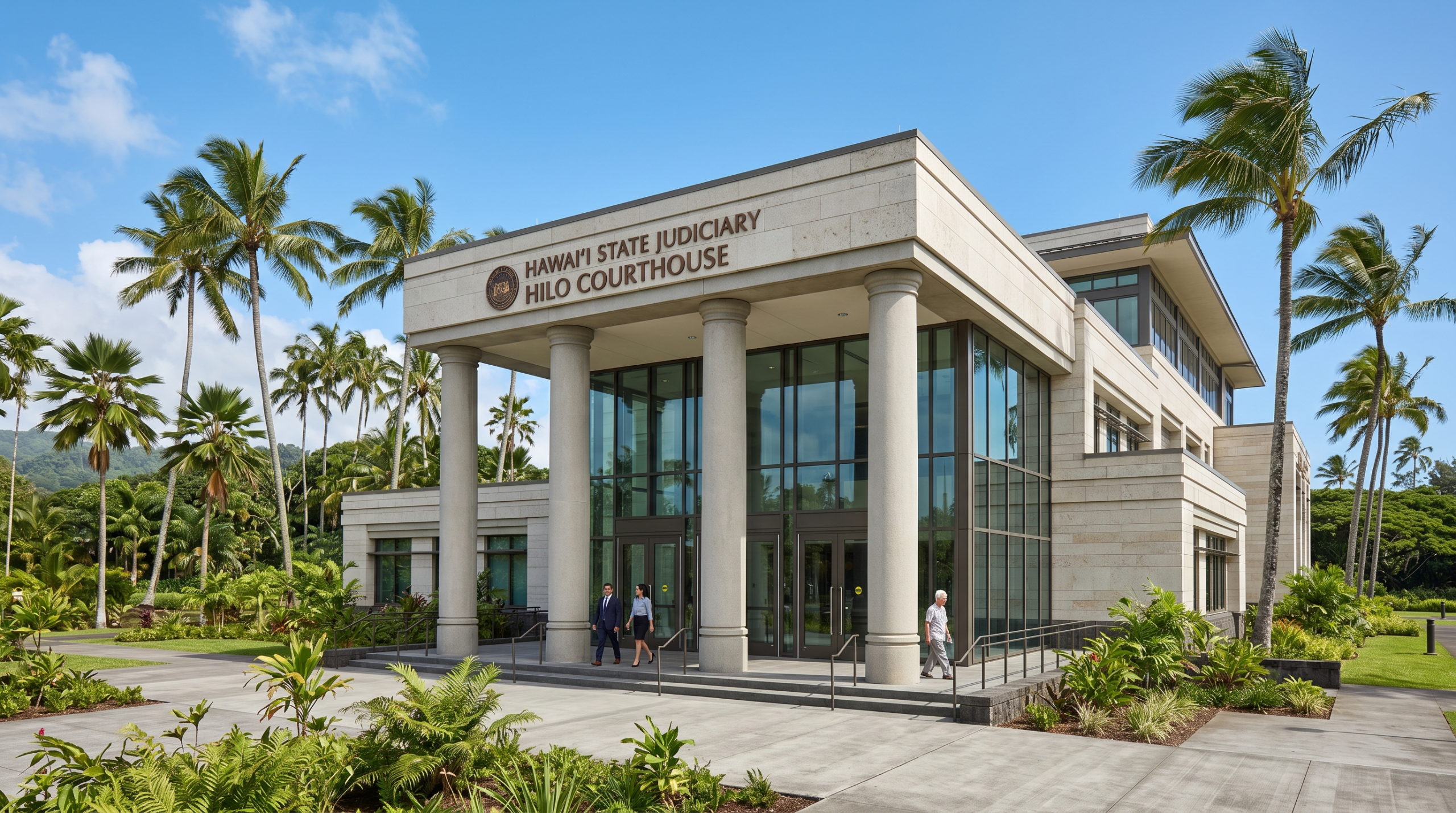
During Thursday’s hearing before Judge Kevin Morikone, attorneys for both sides presented contrasting arguments about whether the case should proceed in state court. The social media company’s legal team, led by attorney Aaron Henson, argued that federal law, specifically the Children’s Online Privacy Protection Act (COPPA), requires such cases to be heard in federal court with proper notification to federal authorities.
Henson emphasized that COPPA establishes a comprehensive framework governing state enforcement actions in this area. He pointed to a parallel federal action already pending in Southern California federal court as evidence that the state had selected an inappropriate venue. The defense maintained that Hawaii’s attempt to frame its claims under state consumer protection law rather than COPPA was merely a semantic distinction that failed to circumvent federal requirements.
Wayne Wagner, representing the platform through the Honolulu firm Goodsill Anderson Quinn & Stifel, argued that many of the company’s public statements about safety were too vague to constitute actionable deception under Hawaii’s Unfair or Deceptive Acts or Practices law. He contended that general safety assurances lacked the specificity, measurability, and verifiability required for legal action.
The state’s legal team, including former Hawaii Attorney General Douglas Chin serving as special deputy attorney general, presented a different perspective. Chin described how the platform operates within Hawaii, stating that users log in voluntarily, after which the company extracts personal data, tracks viewing habits and time spent, monetizes this information through advertising, and employs tactics that harm and addict users to increase engagement.
Chin noted that more than a dozen other state courts have allowed similar cases to proceed under their respective state laws, suggesting Hawaii should have the same authority to address harms to its residents. Attorney Dean Kawamoto argued that the defense’s interpretation of COPPA would improperly expand federal preemption beyond congressional intent. He cited the Ninth Circuit’s Jones v. Google decision to support the position that COPPA only preempts state actions that impose liability inconsistent with federal law, not parallel claims.
Kawamoto also challenged the defense’s characterization of judicial precedent, asserting that among the more than two dozen state trial courts that have addressed similar Section 230 and First Amendment arguments in comparable cases, none have granted the type of complete dismissal the platform seeks at this preliminary stage.
The state is seeking penalties of up to $10,000 per violation of Hawaii’s consumer protection law, which could potentially result in hundreds of millions of dollars in fines depending on how violations are calculated. The case represents one of Hawaii’s most ambitious attempts to regulate social media platforms and protect young users from alleged harmful practices.
Judge Morikone indicated he would issue his decision through a minute order, directing the prevailing party to prepare an appropriate order for the court. The outcome could significantly impact how states pursue consumer protection claims against social media companies and whether such cases must proceed through federal rather than state courts.
Leave a Reply