
A proposed $1.8 billion settlement fund intended for individuals claiming political persecution by federal agencies has sparked unprecedented opposition in Congress, forcing Senate leadership to postpone a critical budget reconciliation vote and prompting bipartisan efforts to eliminate the program entirely.
The fund, established through a settlement between President Donald Trump and the Internal Revenue Service regarding a 2019 tax return leak, would allow individuals to seek financial compensation if they believe they were targeted by the federal government based on their political or ideological beliefs. The Justice Department announced the program would create a systematic process for addressing claims of government weaponization.
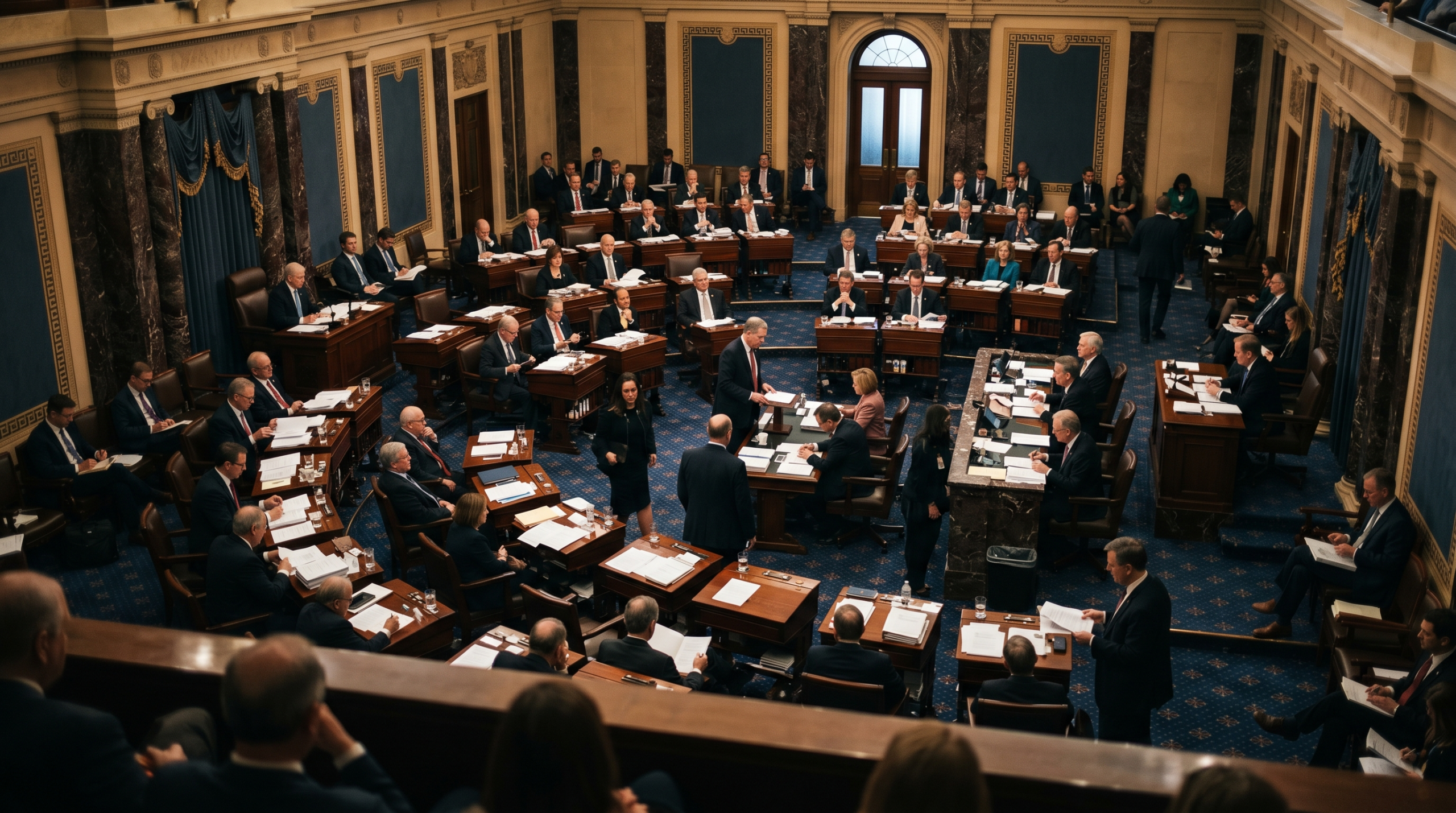
Senate Majority Leader John Thune unexpectedly dismissed senators for a week-long Memorial Day recess on Thursday, abandoning plans to vote on a major budget reconciliation package that would have allocated resources to immigration enforcement agencies and potentially provided $1 billion for White House security upgrades. The decision followed a contentious meeting between Republican senators and acting Attorney General Todd Blanche.
During the closed-door session, Republican lawmakers expressed serious reservations about the settlement fund’s scope and potential beneficiaries. A primary concern centered on whether individuals convicted of violent crimes during the January 6, 2021, Capitol incident could access the fund. While Blanche assured senators that those who assaulted law enforcement officers would be ineligible, many Republicans remained unconvinced.
The Justice Department characterized the meeting as a healthy discussion and emphasized that the program would not require additional reconciliation funding. Officials stated they would continue working with the Senate to secure approval for critical reconciliation funds.
The program would be financed through the Justice Department’s existing judgment fund, a reserve typically used for government settlement payments. A five-member panel appointed by the attorney general would evaluate claims, with Congress maintaining limited oversight authority. According to documentation provided to Senate Republicans, lawmakers could submit inquiries about the program but would have minimal direct influence over its operations.
In the House of Representatives, bipartisan opposition has materialized through legislative action. Representatives Tom Suozzi of New York and Brian Fitzpatrick of Pennsylvania introduced legislation that would prohibit federal funds from being used for any claims submitted through the anti-weaponization fund. Fitzpatrick, a Republican who had previously voiced concerns about the program, stated their intention was to eliminate it entirely.
Maryland Representative Jamie Raskin initiated parallel efforts, proposing measures to block the fund and attempting to subpoena Blanche, Treasury Secretary Scott Bessent, and other administration officials for information about the program. While his subpoena effort narrowly failed in the House Judiciary Committee, he secured support from California Representative Kevin Kiley, who recently changed his registration from Republican to independent.
The controversy represents a significant challenge for the administration and Republican leadership, who had been considering a third budget reconciliation package before the upcoming midterm elections. The Republican conference’s willingness to oppose the president on this issue marks a notable departure from their typical alignment with administration priorities.
Critics across party lines have characterized the fund as a potential slush fund for political allies, raising questions about eligibility criteria and the program’s true purpose. The administration maintains that the fund addresses legitimate concerns about government overreach and political targeting.
The standoff underscores growing tensions within the Republican Party over the appropriate use of federal resources and the boundaries of executive authority in addressing perceived political persecution.
Leave a Reply