
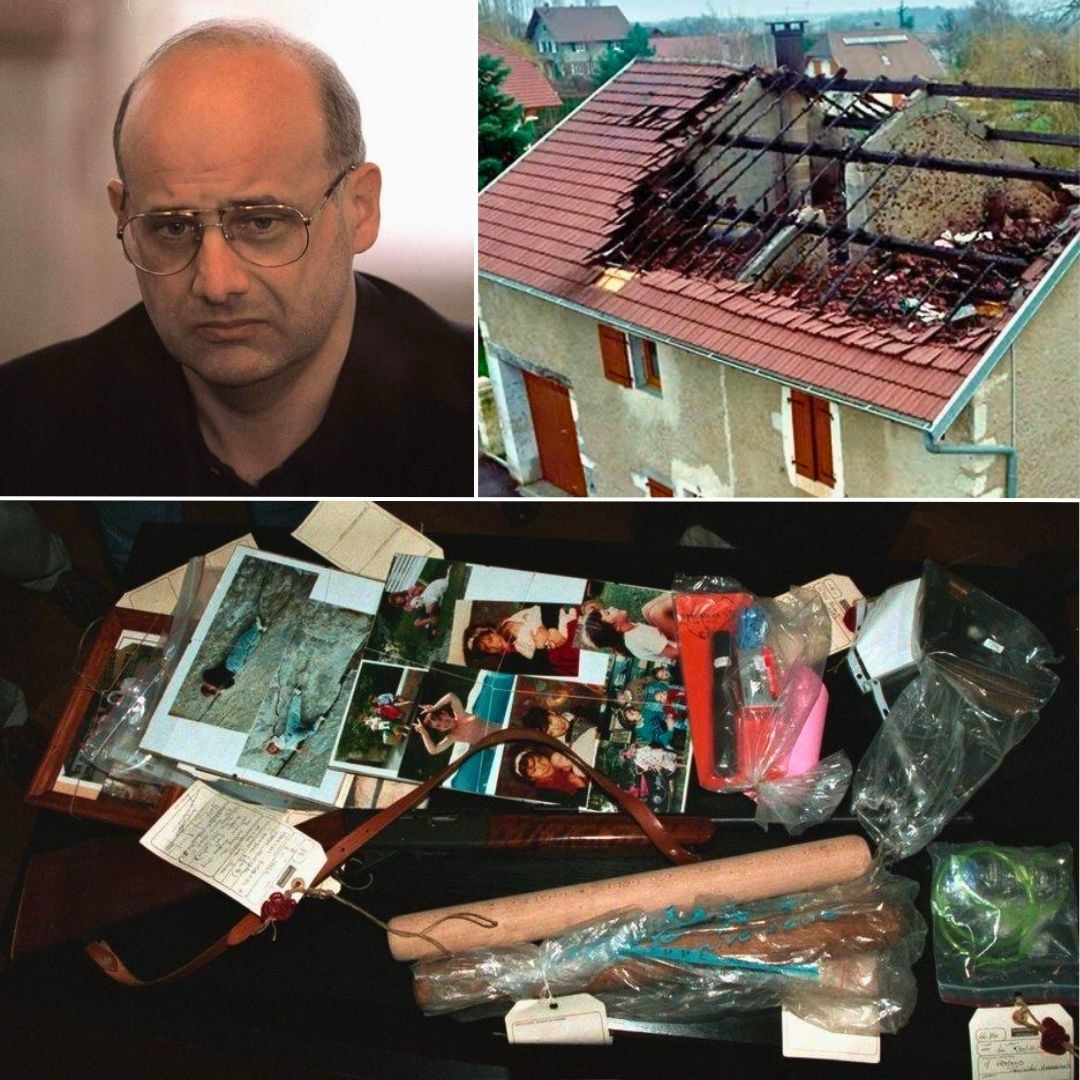
In 1993, a case in France exposed one of the most disturbing long-term deceptions ever uncovered, ending in a tragedy that shocked the world.
Jean-Claude Romand, 38, spent nearly two decades pretending to be a doctor and researcher with the World Health Organization, a position he never actually held.
The deception began in 1975 after he missed a crucial exam but told his family he had passed. For years, he maintained the illusion by re-enrolling in the same course, spending time near campuses and exam halls without ever completing his studies.
He later claimed to work in Geneva, regularly traveling there, collecting pamphlets, and returning home to maintain the story. During this time, he also persuaded relatives and acquaintances to invest large sums of money, promising high returns.
By late 1992, the situation began to unravel as financial pressure mounted and questions arose about his supposed career.
In January 1993, over the course of two days, Romand carried out a series of acts that resulted in the deaths of his wife, children, and parents. Authorities later determined the sequence of events and the methods used during the investigation.
He also attempted to harm another individual, who survived and later provided key testimony.
After returning home, Romand set fire to his residence in what investigators determined was an attempt to end his own life and destroy evidence. However, he was found alive by emergency responders.
In 1996, he was convicted and sentenced to life in prison.
On June 28, 2019, he was released under supervision to a Benedictine monastery.
The case remains one of the most chilling examples of how a long-standing deception can escalate into a devastating outcome, raising ongoing questions about identity, accountability, and how such a life could go undetected for so many years.
Leave a Reply