
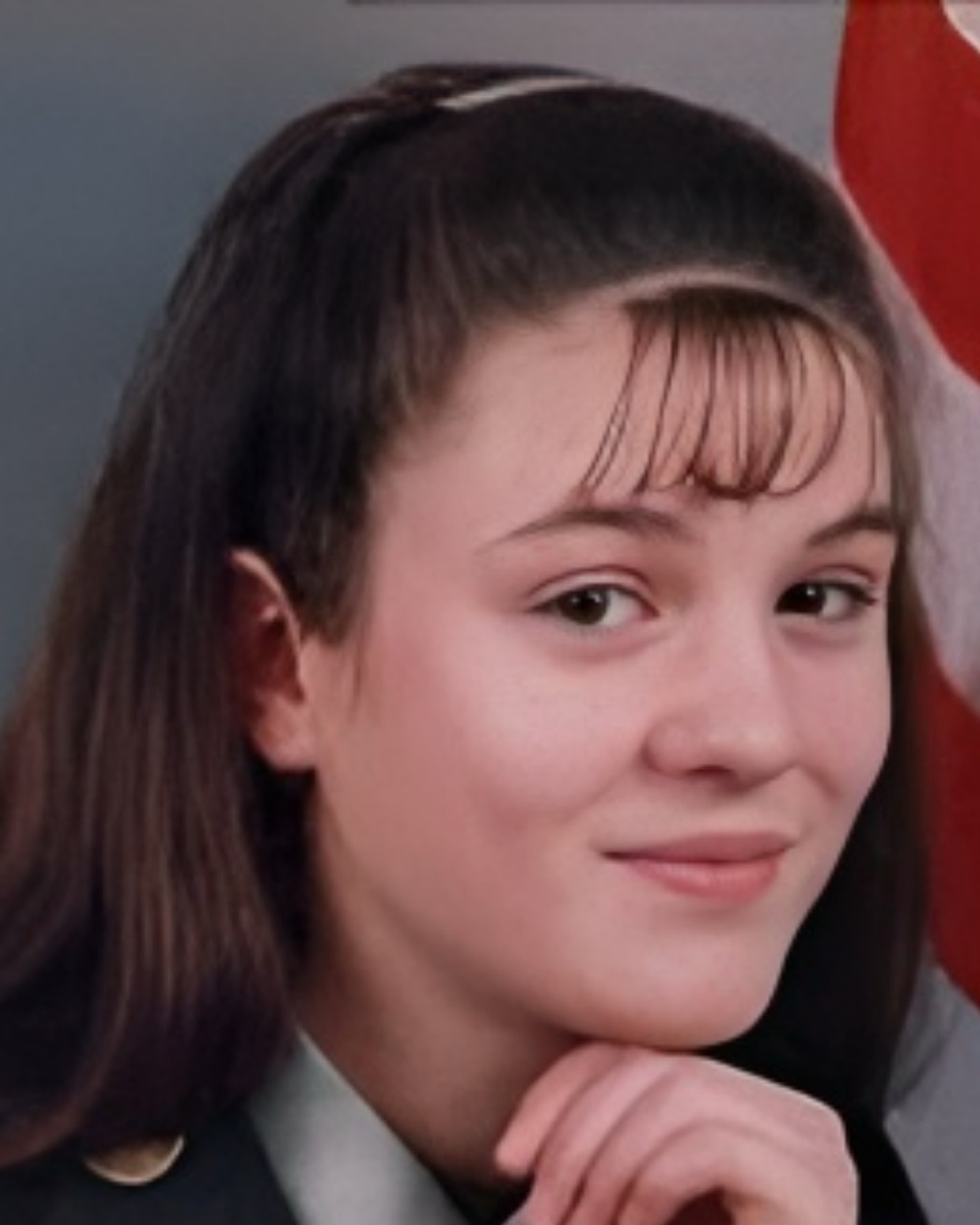
In 1999, the disappearance of 17-year-old Jessica Dishon in Shepherdsville, Kentucky, became a case marked by missed opportunities, unanswered questions, and a resolution that took more than a decade.
On September 10, 1999, Jessica stepped outside her home to leave for school but never returned. Her car remained in the driveway with her personal belongings still inside, immediately raising concern.
Although a responding deputy suspected foul play, the case was initially treated as a possible runaway situation, delaying critical early investigative steps.
Seventeen days later, her body was discovered approximately seven miles away by a school bus driver. Evidence at the scene indicated she had been held for a period of time before her death.
Investigators later found items believed to have come from Jessica’s home in a nearby barn, suggesting she had been kept there before being moved.
With limited physical evidence, authorities charged a neighbor, but the case collapsed after a mistrial, and all charges were eventually dropped.
Years later, in 2013, new information emerged when two inmates independently reported that Jessica’s uncle, Stanley Dishon, had admitted involvement while in a treatment program.
According to court records, investigators determined Jessica had discovered serious wrongdoing within the family and intended to report it, which led to a confrontation.
Additional witness statements described unusual behavior during the time Jessica was missing, adding to the growing case against him.
In 2014, Stanley Dishon entered an Alford plea to first-degree manslaughter, meaning he did not admit guilt but accepted the conviction. He was sentenced to 20 years in prison, with a requirement to serve at least 85 percent of that time.
The plea also addressed additional offenses involving other victims within the family.
Despite the conviction, he has continued to maintain his innocence.
The case remains a powerful example of how investigations can evolve over time and how critical information can surface years after a crime, bringing partial answers but leaving lasting questions.
Leave a Reply