
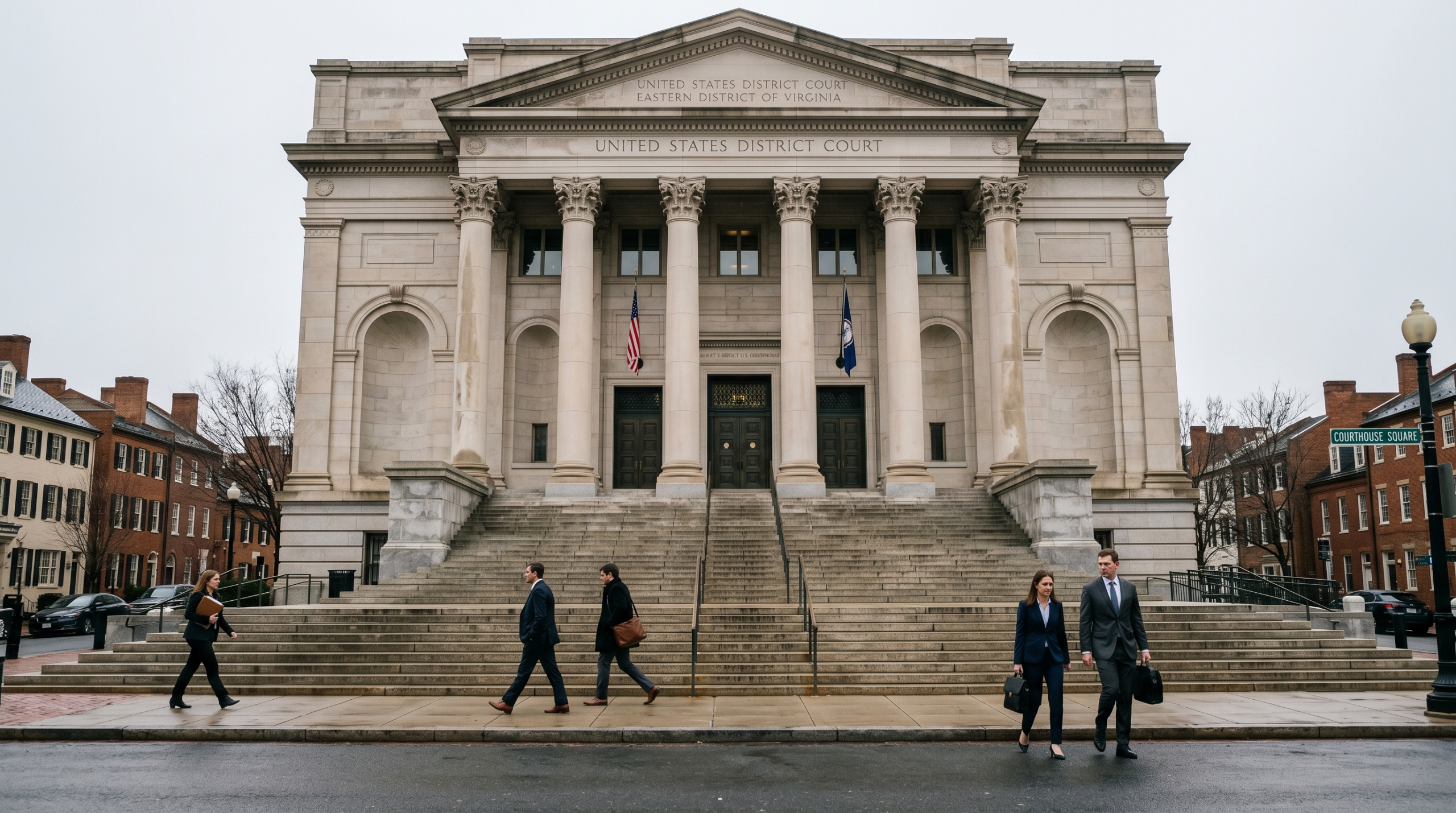
A federal judge has dismissed a case involving a pregnant woman from Ghana who agreed to deportation after spending a week in detention while seeking medical treatment for her disabled child in the United States.
Anabella Gyasi had arrived at Dulles International Airport in Virginia on May 19 with a valid visa, planning to take her 4-year-old son to Akron Children’s Hospital in Ohio for surgical care. The child was born with severe physical deformities affecting both hands and required specialized medical attention.
U.S. District Court Judge Leonie Brinkema dismissed the case as moot on Friday, stating that Gyasi had expressed clear wishes to return home. The judge noted that the woman should not spend another night in detention and that arrangements had been made for her and her son to fly to Ghana that evening.
According to legal representatives, Gyasi and her son were held by Customs and Border Protection for seven days in a windowless room containing only a single bed, a toilet, and a sink. During this period, Gyasi, who is more than four months pregnant, experienced vaginal bleeding and was taken to the hospital twice.
The detention conditions reportedly became increasingly difficult as the week progressed. Legal advocates stated that mother and child were denied adequate food during their detention. Five days into their confinement, the 4-year-old spent much of the day crying from hunger, while Gyasi feared she might faint due to insufficient nutrition.
Faced with concerns for her unborn child’s health, Gyasi ultimately agreed to voluntary deportation. Following this decision, she was reportedly told she could have access to all the food she wanted and was permitted to shower.
This was not Gyasi’s first attempt to secure medical treatment for her son in the United States. Two years earlier, she had brought him to the country for the same purpose but was informed he was too young for the necessary procedures at that time.
During her detention, Gyasi had also disclosed fears about returning to Ghana, citing persecution she and her son had faced there. Her legal representatives attempted to secure her release so she could continue pursuing medical care for her child and requested a stay of removal while their case was being considered.
Eden Heilman, legal director for the organization representing Gyasi, criticized the situation, stating that no parent should be forced to choose between risking their own life and that of their unborn child or returning to unsafe conditions for their disabled son.
Sophia Gregg, a senior immigrants’ rights attorney involved in the case, connected the detention to broader immigration enforcement policies, noting an increase in detentions of pregnant women. She referenced another case where a pregnant woman was allegedly left alone without water or medical assistance for over 24 hours while experiencing a miscarriage.
The judge’s one-page order noted that according to federal government representatives, Gyasi and her son were able to depart for Ghana immediately. Legal advocates maintained that Gyasi’s agreement to deportation came from desperation regarding the health and wellbeing of both her son and unborn child.
Despite attempts by attorneys to preserve Gyasi’s asylum claims and secure her release to continue seeking medical treatment, the case concluded with preparations for the family’s return to Ghana that same evening.
Leave a Reply