
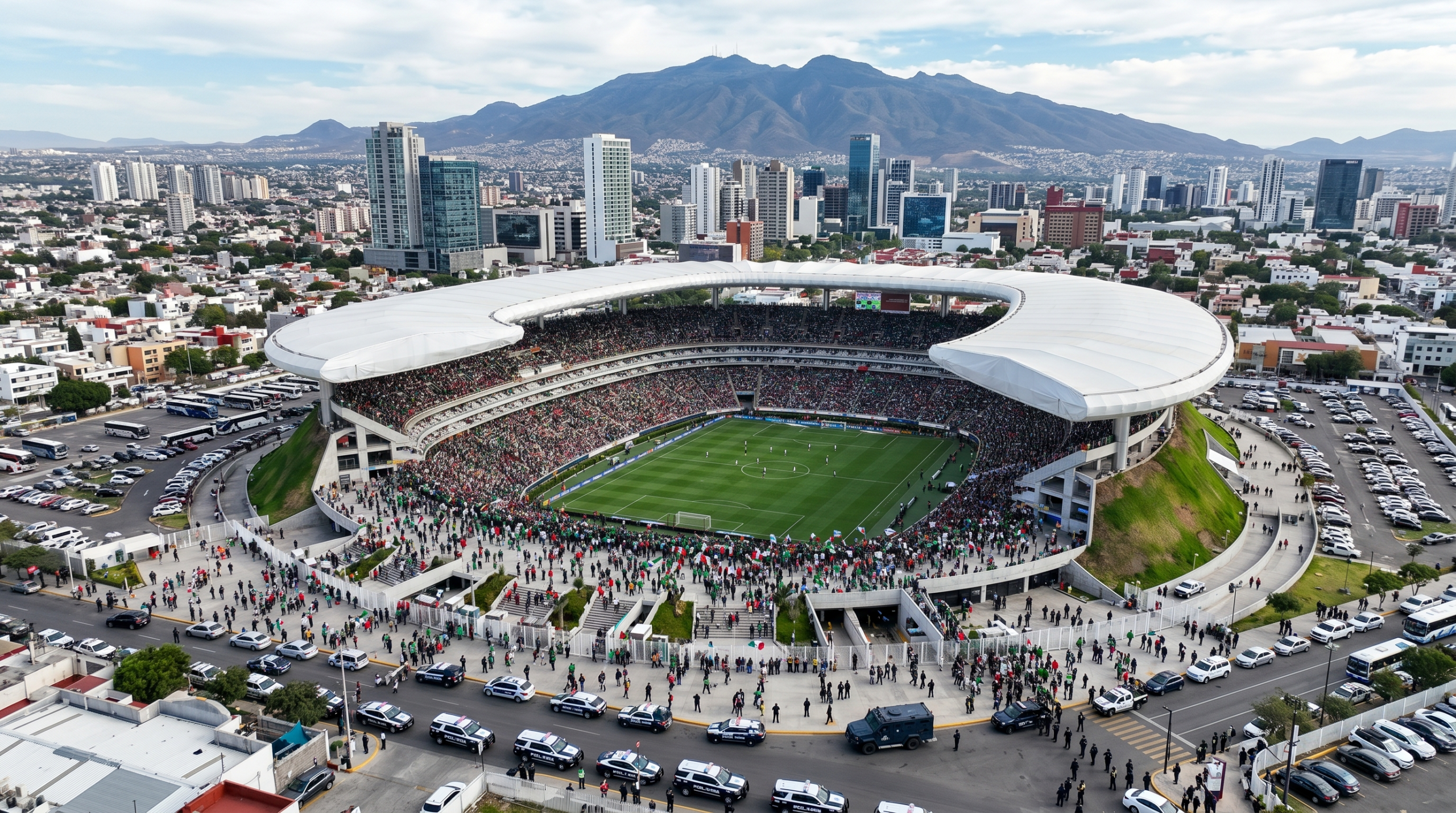
As millions of visitors prepare to travel to Mexico for World Cup matches in Mexico City, Guadalajara, and Monterrey, security concerns have emerged following recent travel warnings issued by the United States government. However, security analysts suggest that the actual risks facing tourists may differ significantly from common perceptions about cartel violence in these host cities.
While organized crime groups do maintain a presence in all three World Cup host cities, the likelihood of tourists encountering direct cartel violence remains minimal. Criminal organizations operating in these areas focus primarily on local criminal markets rather than targeting international visitors. Their activities typically involve drug trafficking, extortion of local businesses, cargo theft, and fuel theft – operations that rarely intersect with tourist areas.
Guadalajara serves as a historical stronghold for the Jalisco Cartel New Generation, while Monterrey sees activity from multiple groups including the Northeast Cartel, Gulf Cartel, and Jalisco Cartel. Mexico City presents a more complex criminal landscape with various smaller organizations such as La Unión Tepito and Fuerza Anti Unión operating within the metropolitan area.
Security experts note that criminal groups are likely to maintain lower profiles during the tournament due to increased security presence. Direct confrontation with tourists would draw unwanted attention from authorities and potentially disrupt their primary business operations. The groups understand that targeting visitors would be counterproductive to their interests.
The primary risks facing World Cup visitors mirror those found at any major international sporting event: petty theft, scams, robbery, and overcharging by vendors. These opportunistic crimes represent far greater threats to tourists than organized cartel violence. Visitors are statistically more likely to lose personal belongings to pickpockets than to encounter members of international criminal organizations.
Criminal groups do benefit indirectly from major events like the World Cup through increased opportunities for their existing operations. They may profit from counterfeit merchandise sales, control over informal vendors, and increased demand in nightlife districts. Tourism can create overlap with criminal enterprises when visitors seek illicit services such as drugs or sex work, both of which fall under organized crime control in these cities.
The relationship between soccer and organized crime in Latin America extends beyond tournament security concerns. Criminal organizations have historically used soccer team ownership as a vehicle for money laundering and social legitimization. Team ownership provides access to elite business circles where different social classes converge, creating opportunities for criminal groups to establish connections with traditional economic elites.
Some criminal figures have been known to play on teams themselves, as demonstrated by Uruguayan money launderer Sebastián Marset, who participated on several teams in areas where he operated. These connections allow criminal organizations to gradually legitimize their operations and develop business relationships that extend beyond illicit activities.
The 1994 murder of Colombian defender Andrés Escobar following that year’s tournament continues to influence public perception of soccer-related violence in Latin America. However, modern interactions between organized crime and soccer have become more sophisticated and less overtly violent. Criminal financing of teams continues in various forms, though without the dramatic violence that characterized earlier decades.
Interestingly, one of the most significant organized crime cases related to soccer in recent years emerged from the United States Department of Justice’s Eastern District in 2015. The corruption case against FIFA, soccer’s world governing body, revealed systematic criminal activity at the highest levels of the sport’s administration. Officials were accused of pocketing over 150 million dollars through corrupt marketing and television rights deals, demonstrating that organized crime in soccer extends far beyond street-level violence.
For World Cup visitors, understanding these dynamics provides important context for travel safety. While organized crime affects Mexican communities, particularly those in marginalized areas or trafficking corridors, international tourists attending matches face minimal risk of cartel-related violence. Standard travel precautions appropriate for any major international event remain the most relevant safety measures for those planning to attend World Cup matches in Mexico.
Leave a Reply