
The death of a prominent Venezuelan gang leader during joint military operations has left only one original founder of the notorious prison-based criminal organization still at large. The deceased leader was eliminated in June 2026 during coordinated operations in a gold mining region of southern Venezuela where he had been hiding.
The surviving founder, known by the alias Johan Petrica, represents the last of three men who established what became one of Venezuela’s most significant criminal organizations. The trio originally formed their alliance within the Venezuelan prison system, specifically at a facility in Aragua state, where they transformed a prison gang into an expansive criminal network that eventually spread across multiple countries.
The third original founder remains incarcerated in Colombia, effectively removing him from active leadership roles. This leaves Petrica as the sole founding member with both the freedom and historical authority to potentially assume control of the fragmented organization.
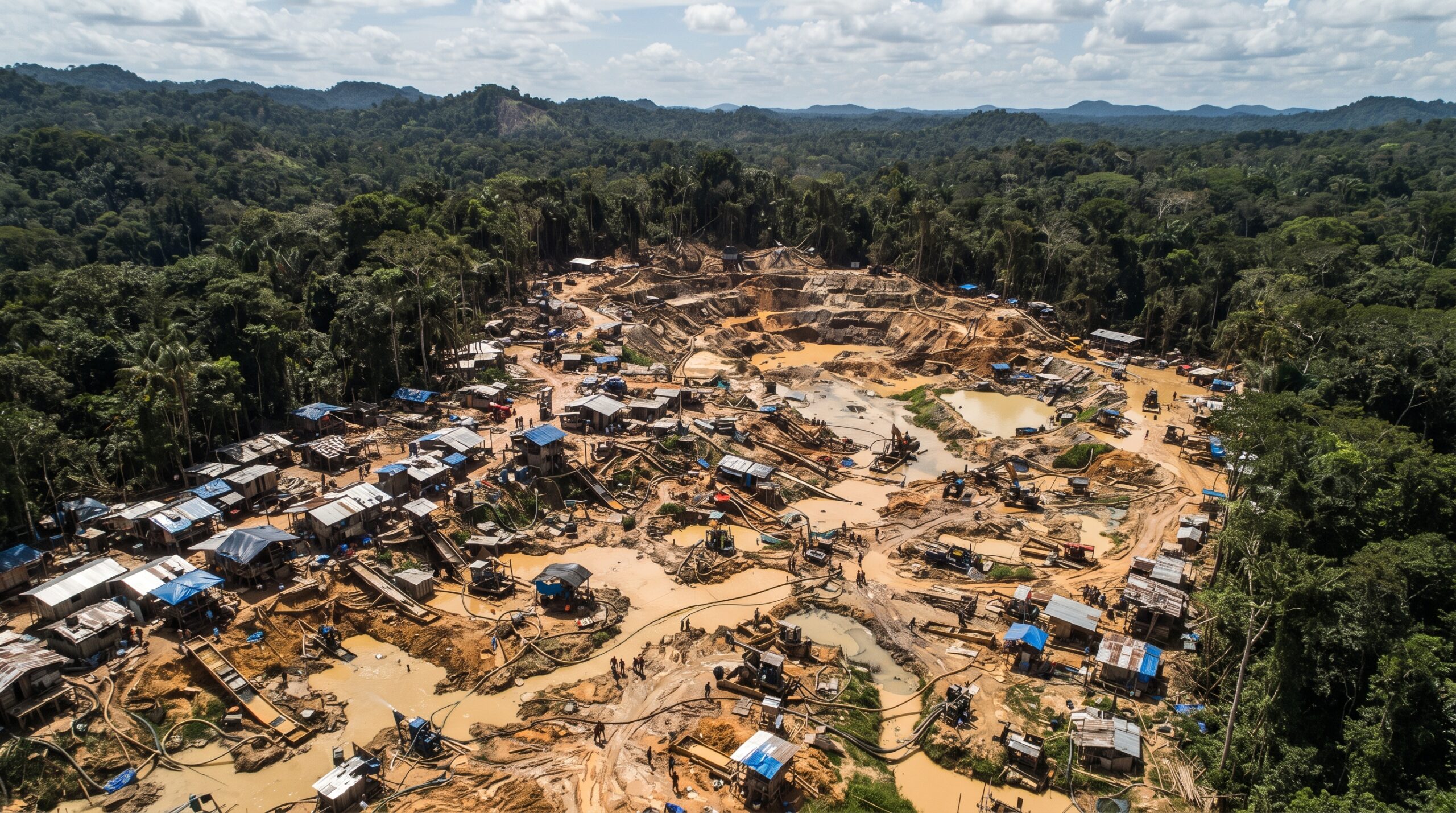
Petrica’s criminal influence extends beyond his prison origins. Since 2017, he has controlled one of Venezuela’s most powerful illegal mining operations in the southern state of Bolivar. This operation maintains control over access to extremely valuable gold deposits, extracting payments from miners, merchants, and various service providers operating in the region. His group’s dominance in this strategic mining area provided both significant revenue and territorial control.
The recent military operations that resulted in his associate’s death appear to have disrupted longstanding arrangements that previously allowed these criminal groups to operate with minimal interference. The joint operations targeted the mining region where both leaders had established their power base, suggesting a shift in enforcement strategy.
International pressure on Petrica has intensified significantly. The United States imposed sanctions on him in 2025, citing his involvement in illegal mining operations and weapons trafficking. The sanctions specifically mentioned his role in trafficking military-grade weapons within Venezuela.
The criminal organization faces mounting challenges across South America. Since Venezuelan authorities raided their primary prison headquarters in 2023, the group has experienced significant setbacks. Law enforcement agencies throughout the region have arrested key figures, disrupted operational cells, and substantially weakened what was once an expanding international network.
Petrica’s current whereabouts remain unknown. Despite the recent military incursion into his territorial stronghold, authorities have not confirmed his capture or death. This absence of information has led to speculation that he successfully evaded the operation and remains at large.
The potential succession presents significant challenges. Any attempt by Petrica to assume leadership would require reunifying a deeply fragmented organization while evading intensive international law enforcement efforts. His established control over lucrative mining operations provides resources, but the organization’s broader network has been severely compromised.
The transformation from a prison gang to an international criminal enterprise represents one of the most significant developments in Venezuelan organized crime. However, sustained pressure from multiple governments and the loss of key leadership figures have left the organization’s future uncertain.
Whether Petrica can successfully consolidate control over the remaining elements of the organization while maintaining his mining operations remains to be seen. His status as both a fugitive and the last free founding member places him in a unique but precarious position within the criminal landscape.
Leave a Reply