
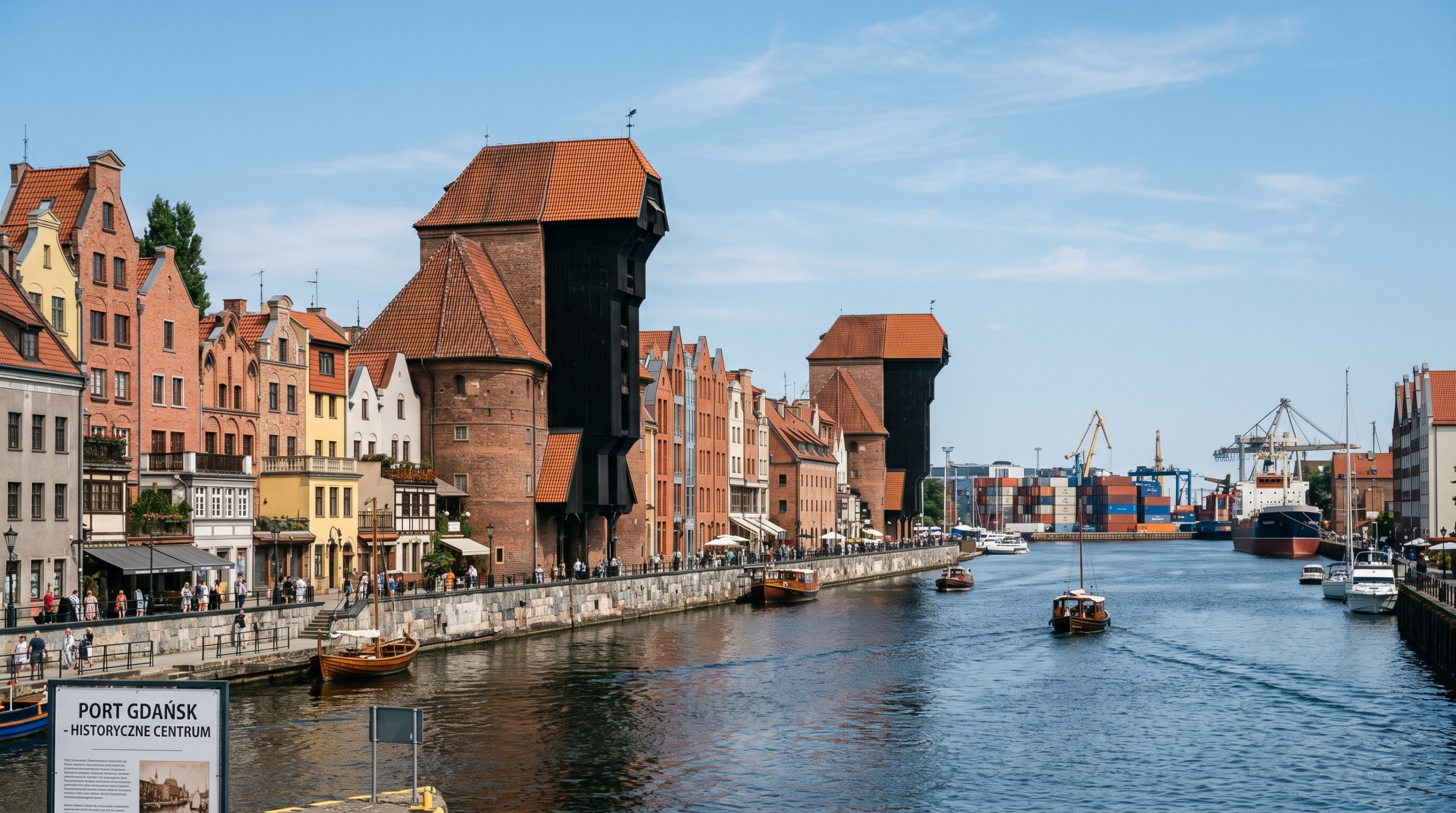
French President Emmanuel Macron and Polish Prime Minister Donald Tusk convened in Gdansk, Poland on Monday for high-level discussions focused on bolstering defense cooperation between their nations and strengthening European security capabilities. The meeting represents the first major diplomatic engagement since the two countries formalized a treaty of friendship and enhanced cooperation in May.
The summit takes place against a backdrop of heightened security concerns stemming from the ongoing conflict in Ukraine, now in its fourth year, and evolving dynamics within the Atlantic alliance. Both leaders emphasized their shared vision for European sovereignty and defense independence during the talks.
“We have very similar views on how to build Europe’s strength, the sovereignty of Poland, of France, and of Europe,” Tusk stated ahead of the visit, signaling strong alignment between the two nations on strategic priorities.
A significant aspect of the discussions centered on the potential for Polish involvement in France’s nuclear deterrent framework. While France would maintain exclusive control over any decision to employ nuclear force, Polish forces could potentially contribute to supporting capabilities including early warning systems and air defense operations, according to officials from both nations.
The leaders also announced plans for a joint military communications satellite project that would involve French and Polish operators, alongside other European partners. This initiative represents a concrete step toward enhanced defense integration and technological cooperation.
One contentious issue on the agenda was the concept of “European preference” in military procurement, a policy championed by Macron that prioritizes European-made defense equipment. This approach has created some friction with Eastern European nations, including Poland, which maintain strong defense relationships with the United States.
Poland has undertaken substantial military modernization efforts in recent years, with defense spending projected to exceed 4.8 percent of GDP in 2026, placing it among the highest in NATO. However, much of this investment has been directed toward American military hardware, including F-35 fighter jets, Apache attack helicopters, Patriot missile systems, and Abrams tanks.
The debate over defense procurement reflects broader tensions within Poland’s political landscape. Nationalist President Karol Nawrocki has expressed opposition to Poland’s participation in the European Union’s Security Action For Europe (SAFE) program, citing concerns about national independence, despite the program’s potential to contribute tens of billions of euros to Polish defense capabilities.
Since Tusk’s electoral victory in 2023, Poland has reasserted its pro-European orientation while maintaining its fundamental commitment to the transatlantic partnership. The prime minister acknowledged shifts in Washington’s strategic approach toward Europe while emphasizing that Polish-American and Euro-American relations remain vital.
The choice of Gdansk as the venue for these discussions carries symbolic significance. Located approximately 90 miles from the Russian enclave of Kaliningrad, the port city was the birthplace of the Solidarity movement that ultimately contributed to the end of Soviet influence in Poland.
Macron began his visit with a ceremony at a nearby French military cemetery, following a tradition established by previous French presidents visiting Poland.
The meeting also touched on recent political developments in Hungary, with both leaders noting the implications of Prime Minister Viktor Orban’s electoral defeat for European unity and democratic values within the EU.
As European nations navigate an increasingly complex security environment, the Franco-Polish summit represents an effort to forge stronger bilateral ties while addressing fundamental questions about European defense autonomy, transatlantic relations, and the balance between national sovereignty and collective security.
Leave a Reply