
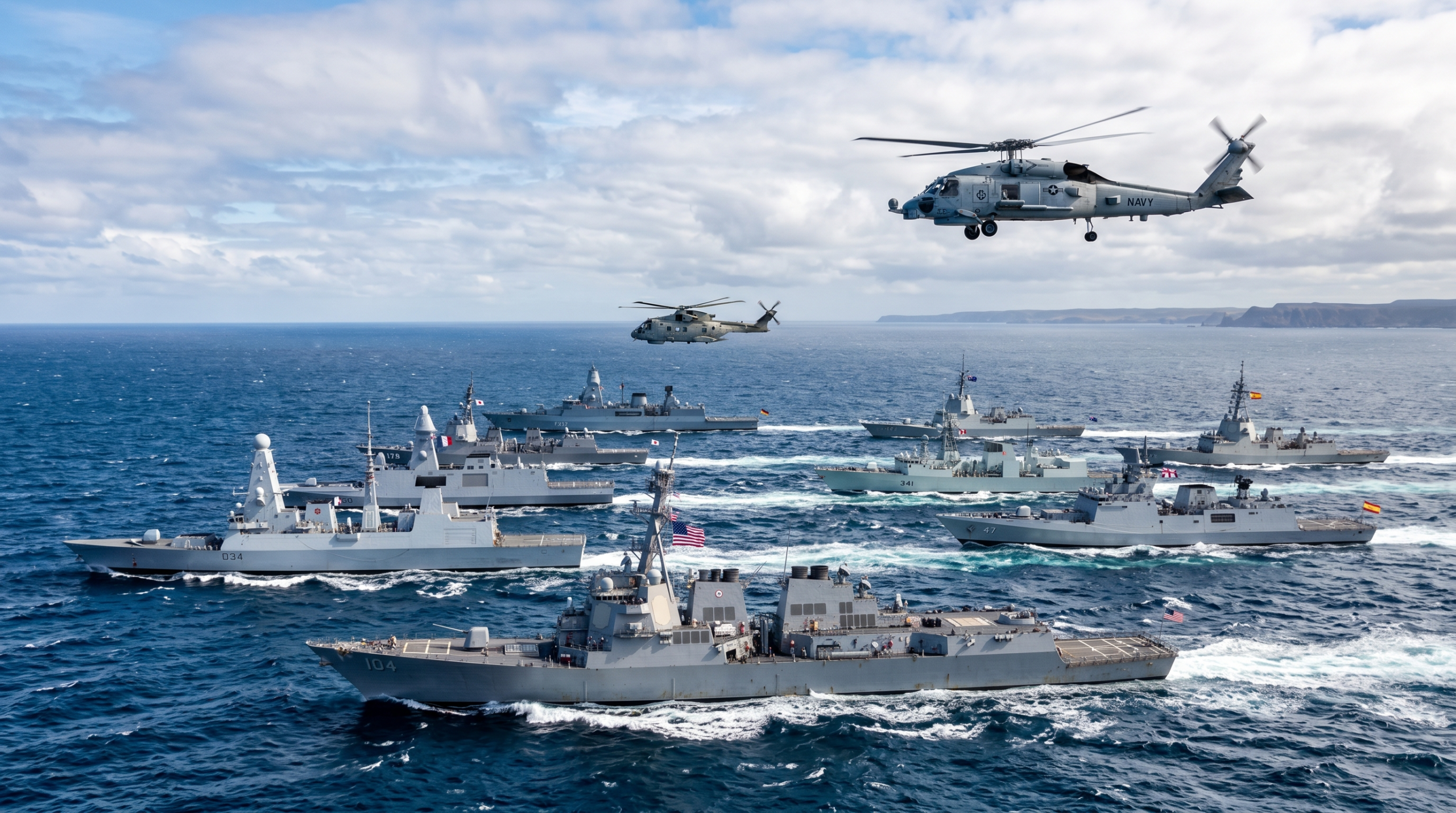
More than 17,000 military personnel from seven nations commenced extensive joint military exercises in the Philippines on Monday, marking one of the largest multinational training operations in the region’s recent history.
The 19-day Balikatan exercises, which translates to “Shoulder to Shoulder,” bring together forces from the United States, Philippines, Japan, Australia, New Zealand, France, and Canada. The drills will include live-fire exercises in northern Philippines facing the Taiwan Strait and in provinces near the disputed South China Sea.
Japan’s participation marks a significant milestone, with approximately 1,400 Japanese military personnel joining as full participants for the first time. This follows the signing of a reciprocal access agreement approved by the Japanese Diet in June of the previous year. During the exercises, Japanese forces will deploy a Type 88 cruise missile to sink a decommissioned World War II-era minesweeper off northern Luzon island’s coast.
U.S. Lieutenant General Christian Wortman, commander of the Marine Expeditionary Force, confirmed that approximately 10,000 American personnel would participate in the training operations. He emphasized that despite global challenges, the United States maintains an unwavering commitment to the Indo-Pacific region and the Philippines.
Philippine military chief General Romeo Brawner revealed that U.S. Indo-Pacific Command chief Admiral Samuel Paparo had described this year’s exercises as potentially the largest ever conducted. The drills will reportedly incorporate a U.S. Typhon missile system that has remained in the archipelago since 2024.
The exercises are taking place against a complex geopolitical backdrop, including ongoing tensions in the Middle East where Iran, the United States, and Israel are approaching the end of a two-week ceasefire. The timing and location of the drills have drawn criticism from Beijing, particularly as coastal defense exercises are scheduled to occur less than 120 miles from Taiwan’s southern coast.
Chinese foreign ministry spokesman Guo Jiakun responded critically to the joint exercises, stating that the Asia-Pacific region requires peace and tranquility rather than external forces creating division and confrontation. He warned that countries binding themselves together in the name of security would ultimately face negative consequences.
Colonel Takeshi Higuchi of Japan’s joint staff indicated that the drills would contribute to establishing a security environment that prevents any attempts to unilaterally alter the regional status quo through force.
The exercises reflect Philippine President Ferdinand Marcos’s strategic approach to strengthening security partnerships with Western nations. Over the past two years, Manila has established visiting forces agreements or similar arrangements with New Zealand, Canada, and France to facilitate joint military training.
Outside the Manila base where the opening ceremony took place, approximately 50 protesters demonstrated against the exercises, carrying signs critical of U.S. President Donald Trump and demanding the withdrawal of American forces from the country.
The Balikatan exercises, scheduled to continue for 19 days, will test the participating nations’ ability to operate seamlessly in complex maritime environments while demonstrating their collective military capabilities in the strategically important Indo-Pacific region.
Leave a Reply