
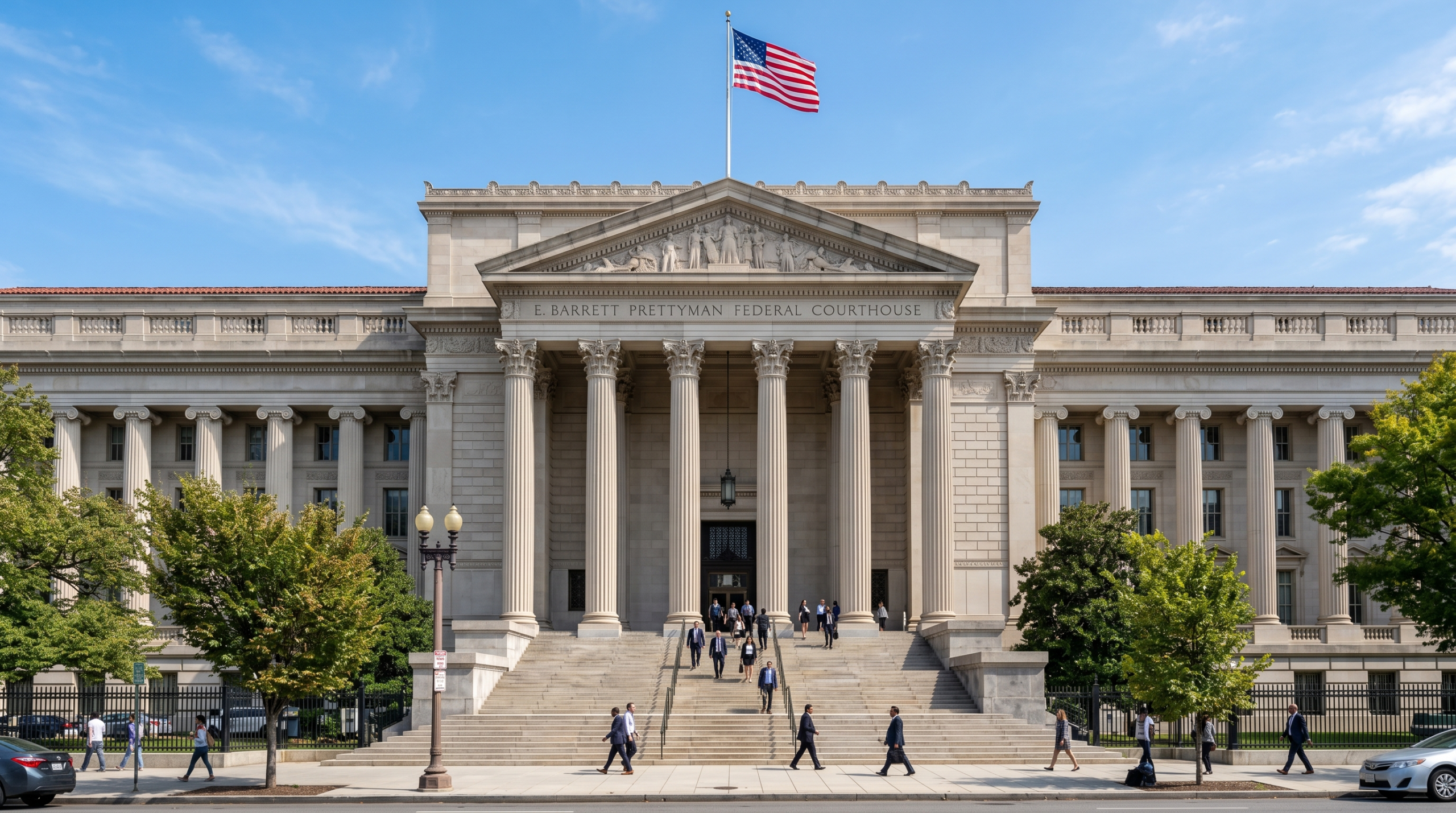
A federal district court has issued an order requiring former President Donald Trump to explain within one week why civil discovery proceedings should not advance in consolidated lawsuits stemming from the January 6, 2021 Capitol riot.
U.S. District Judge Amit Mehta issued the directive on Monday, giving Trump until April 29, 2026, to submit a response limited to ten pages. The order follows the judge’s recent ruling that presidential immunity does not shield Trump from civil liability for unofficial acts performed in his personal capacity.
The lawsuits, filed by Democratic lawmakers and Capitol Police officers, center on Trump’s speech delivered at the Ellipse on January 6 and the subsequent violence at the Capitol. Judge Mehta previously determined that Trump’s remarks that day could plausibly be interpreted as inciting words not protected by the First Amendment.
In his earlier ruling, the judge specifically referenced Trump’s statements including ‘Take the F’ing mags away’ and ‘They’re not here to hurt me,’ noting these words could support a reasonable inference that the speech was meant as an implicit call for imminent violence or lawlessness. The judge clarified that while Trump cannot claim immunity for unofficial acts, he may still reassert official-acts immunity as a defense during trial.
The court’s minute order indicates that discovery against Trump remains temporarily suspended, including depositions. However, the judge noted that the condition for staying discovery is no longer applicable following his immunity ruling. All parties in the consolidated cases have been instructed to meet and confer, then submit a proposed discovery plan by May 1, 2026.
The procedural timeline established by the court gives plaintiffs until May 8 to respond to Trump’s forthcoming brief, with Trump having until May 15 to file a reply to the plaintiffs’ response. The judge, who was appointed during the Obama administration, emphasized that the continuation of the discovery stay depends on Trump’s response to the show cause order.
The civil litigation represents a significant legal challenge for the former president, separate from any criminal proceedings. The cases seek to hold Trump accountable for his role in the events leading up to and including the Capitol breach, which resulted in multiple deaths, numerous injuries to law enforcement officers, and significant property damage.
The discovery phase, if it proceeds, would potentially involve document production, interrogatories, and depositions that could provide plaintiffs with evidence to support their claims. Such proceedings typically allow parties to gather information relevant to their case before trial.
Trump’s legal team now faces the task of articulating why discovery should remain paused despite the court’s immunity ruling. The arguments they present could significantly impact the trajectory and timeline of these civil cases moving forward.
Leave a Reply