
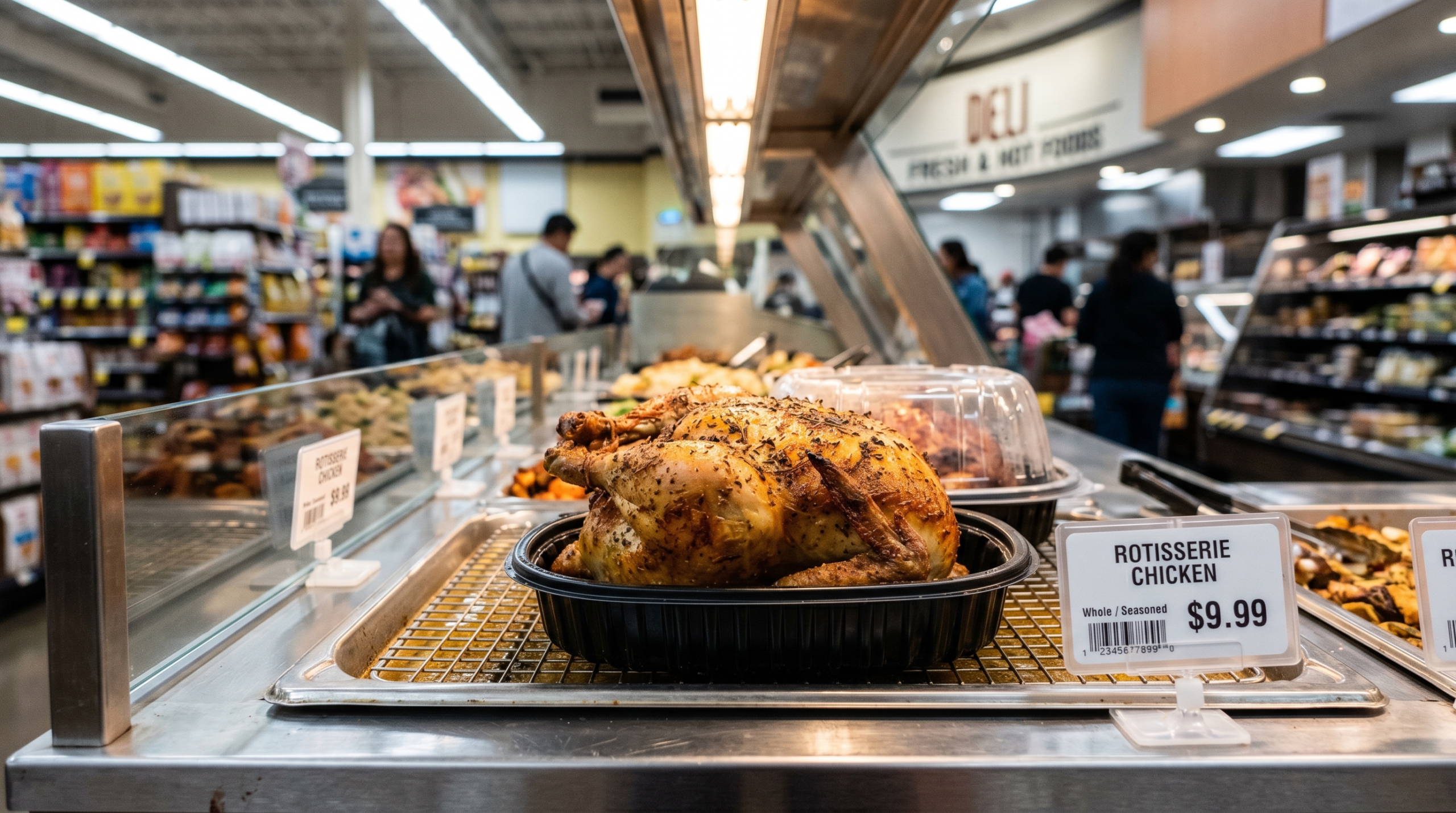
A new bipartisan initiative in the United States Senate aims to expand food assistance options by allowing recipients of federal nutrition benefits to purchase hot rotisserie chicken. The proposed Hot Rotisserie Chicken Act, introduced Wednesday, would create an exception to current regulations that prohibit the use of Supplemental Nutrition Assistance Program funds for hot prepared foods.
The legislation has garnered support from both Republican and Democratic senators who argue that rotisserie chicken represents an affordable, nutritious, and time-saving meal option for families receiving food assistance. Under existing federal law, SNAP beneficiaries cannot use their monthly allowance to purchase hot prepared foods, a restriction that has been in place for years.
West Virginia Senator Jim Justice, a Republican sponsor of the bill, emphasized the practical benefits of the proposed change. He described allowing SNAP recipients to buy hot rotisserie chickens as a commonsense approach to help busy parents and grandparents provide meals for their families without spending extensive time on cooking preparation.
Justice noted that rotisserie chickens offer a palatable option that eliminates the need for lengthy cooking times, making them particularly valuable for working families and those with limited time or cooking facilities. His Republican colleague from West Virginia, Senator Shelly Moore Capito, has joined as a cosponsor of the measure.
Democratic support for the bill comes from Pennsylvania Senator John Fetterman and Colorado Senator Michael Bennet. Fetterman specifically highlighted the affordability aspect, referencing the popular $4.99 rotisserie chicken sold at Costco as an example of how the proposed change could stretch food assistance dollars while providing quality nutrition. He described the item as one of his family’s favorites and expressed pride in supporting legislation that would make it accessible to more American families.
The Hot Rotisserie Chicken Act would modify the 2008 Food and Nutrition Act by adding cooked rotisserie chicken to the list of items approved for purchase with SNAP benefits. The current statute prohibits the use of food assistance funds for alcohol, tobacco products, and hot foods ready for immediate consumption.
Importantly, the bill’s sponsors have clarified that the legislation would not increase overall SNAP funding or alter eligibility requirements for the program. The exception would apply only to eligible retailers, maintaining existing restrictions that prevent the use of benefits at restaurants.
Senator Bennet framed the legislation as a way to remove unnecessary barriers to accessing quick, nutritious meals for families in need. He argued that Congress should focus on making it easier, not harder, for families to put food on the table.
The introduction of this bill occurs against a backdrop of ongoing debates about nutrition assistance programs. The Trump administration has recently approved requests from more than a dozen states to exclude certain items deemed non-nutritious, such as soda and candy, from SNAP-eligible purchases.
Health and Human Services Secretary Robert F. Kennedy Jr. has been vocal about his concerns regarding federal programs that he believes contribute to chronic health conditions like obesity and diabetes. He has particularly focused on sweetened beverages as problematic items currently available through food assistance programs.
Additionally, recent policy changes have introduced stricter work requirements for SNAP recipients. Under the new rules, beneficiaries up to age 64 are limited to three months of benefits per three-year period unless they work at least 80 hours per month.
The Hot Rotisserie Chicken Act represents a targeted approach to food assistance reform, focusing on a specific item that lawmakers believe offers both nutritional value and practical benefits for recipients. If passed, the legislation would mark a notable exception to longstanding restrictions on hot prepared foods in the SNAP program.
Leave a Reply