
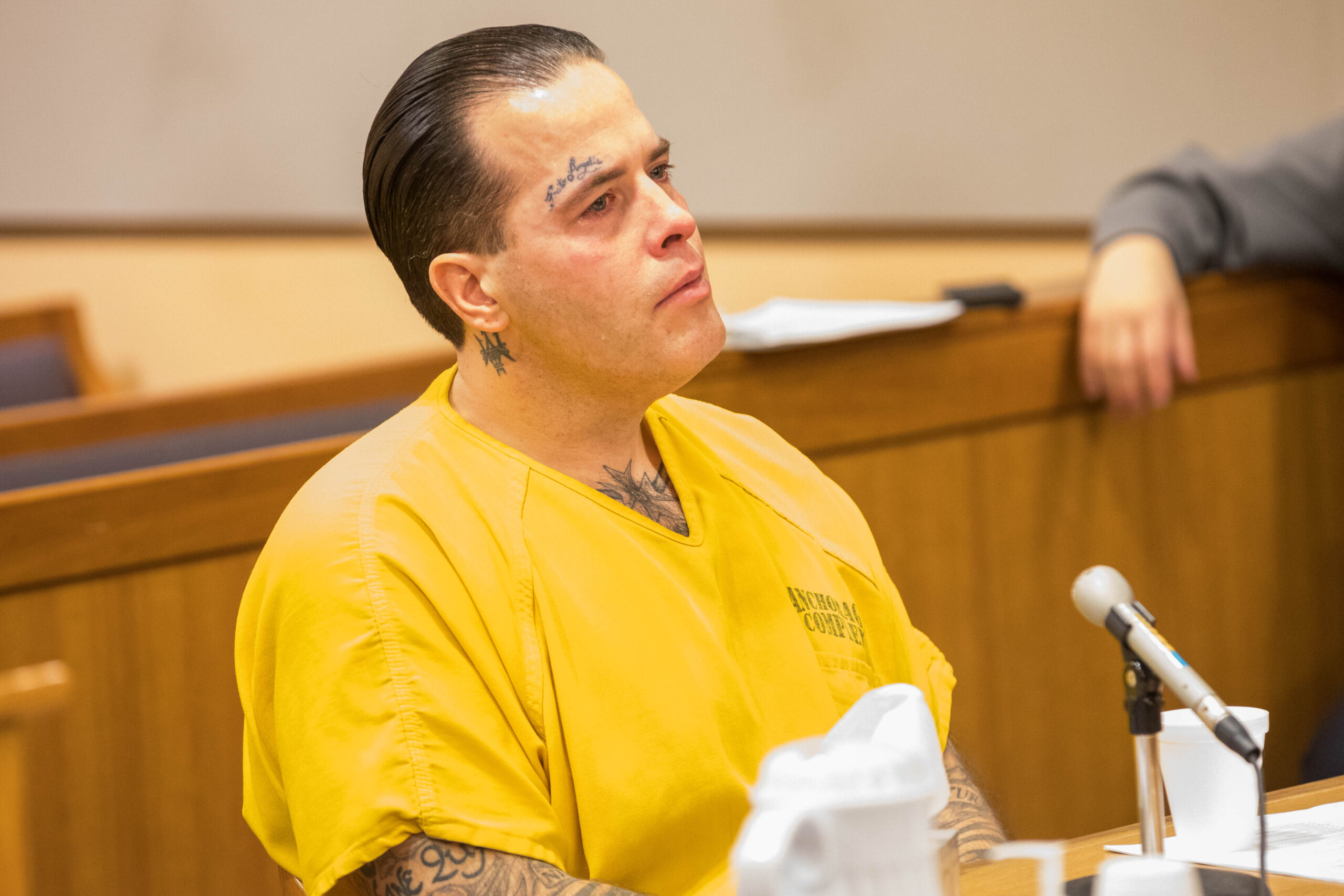
In 2016, Jason Vukovich became widely known after carrying out a series of attacks in Anchorage, Alaska, targeting individuals listed on the state’s sex offender registry. His actions quickly drew national attention and sparked intense public debate.
Vukovich used publicly available information to locate his targets. Authorities reported that he entered residences and assaulted several individuals, later claiming his actions were motivated by a desire to deliver justice.
The case became more complex when details of Vukovich’s personal history were presented in court. He stated that he had experienced years of abuse during childhood, including by his adoptive father, who was later convicted of related offenses.
Despite these claims, prosecutors argued that his actions were deliberate and planned. The court emphasized that taking the law into one’s own hands cannot be justified, regardless of personal circumstances.
In 2018, Vukovich pleaded guilty to charges including attempted first-degree assault and first-degree robbery. He was sentenced to 28 years in prison, with a portion of the sentence suspended.
In 2020, Vukovich appealed his sentence, citing post-traumatic stress disorder as a factor that should reduce his punishment. However, the court rejected the appeal, reinforcing the principle that vigilantism is not acceptable under the law.
Judge Erin Marston stated during proceedings that the justice system must handle such cases, and individuals cannot act as enforcers outside of legal boundaries.
The case sparked mixed reactions. While many condemned the violence, others expressed sympathy due to his background and the experiences he described.
Today, the Jason Vukovich case remains one of the most controversial examples of how trauma, justice, and the legal system can intersect in complex and challenging ways.
Leave a Reply