
Janet Walsh, 23, was found dead in her Monaca, Pennsylvania, apartment on Sept. 1, 1979, and investigators at the time treated the case as a homicide that tore through the small community and left questions unanswered for decades. Police said Walsh had been out bar-hopping the night of Aug. 31 into the early hours of Sept. 1 and returned home before her body was discovered the following morning.
Court and investigative records show the scene led detectives to conclude she had been restrained and suffocated. Walsh was found face down in bed, wearing a short nightgown, with her hands tied behind her back by the tie from her bathrobe and a light-blue bandana secured around her neck. Responding officers described the scene as orderly, with no signs of forced entry at the chained front door, suggesting the victim may have known the person who entered.
Janet Walsh grew up in Monaca and was described by friends and family as musically talented and close to neighbors. She had married Scott Walsh on Aug. 14, 1976. The couple separated in the summer of 1979; Janet had moved into the ground floor of a two-family house and worked in an office at a local refrigeration company. Friends said she spent the Labor Day weekend Friday out with several women and returned home around 4 a.m., hours before she was due at work.
Her brother, Francesco Caltieri, and childhood friend Sue Niedergal spoke about her life and the shock to family and neighbors when police called to say Janet had not reported for work and her parents found her body. Detective Andy Gall, then a rookie patrolman, told investigators this was the first homicide he had handled and recalled the unusual calm of the scene: no bruising, no cuts and no obvious signs of a struggle.
Investigators pursued multiple leads, focusing early on two men identified by witnesses. Scott Walsh, the estranged husband and now suspect No. 1, was seen at Janet’s residence hours before her body was found. Police said he had no alibi for the period after she returned home. According to reports, Walsh submitted to two lie detector tests following the murder and was shown to be deceptive on a critical question about whether he had killed his wife; he maintained his innocence.
Robert McGrail, described by police as a drifter and labeled suspect No. 2, was reported by friends to have danced with Janet the night she was out. McGrail told investigators he asked Janet for a ride home and that she declined. Days after the homicide, a local driver found a checkbook in a gutter with McGrail’s name inside; investigators noted no checks had been written on his account since the night of Janet’s death. McGrail denied following Janet to her home and denied involvement in her death.
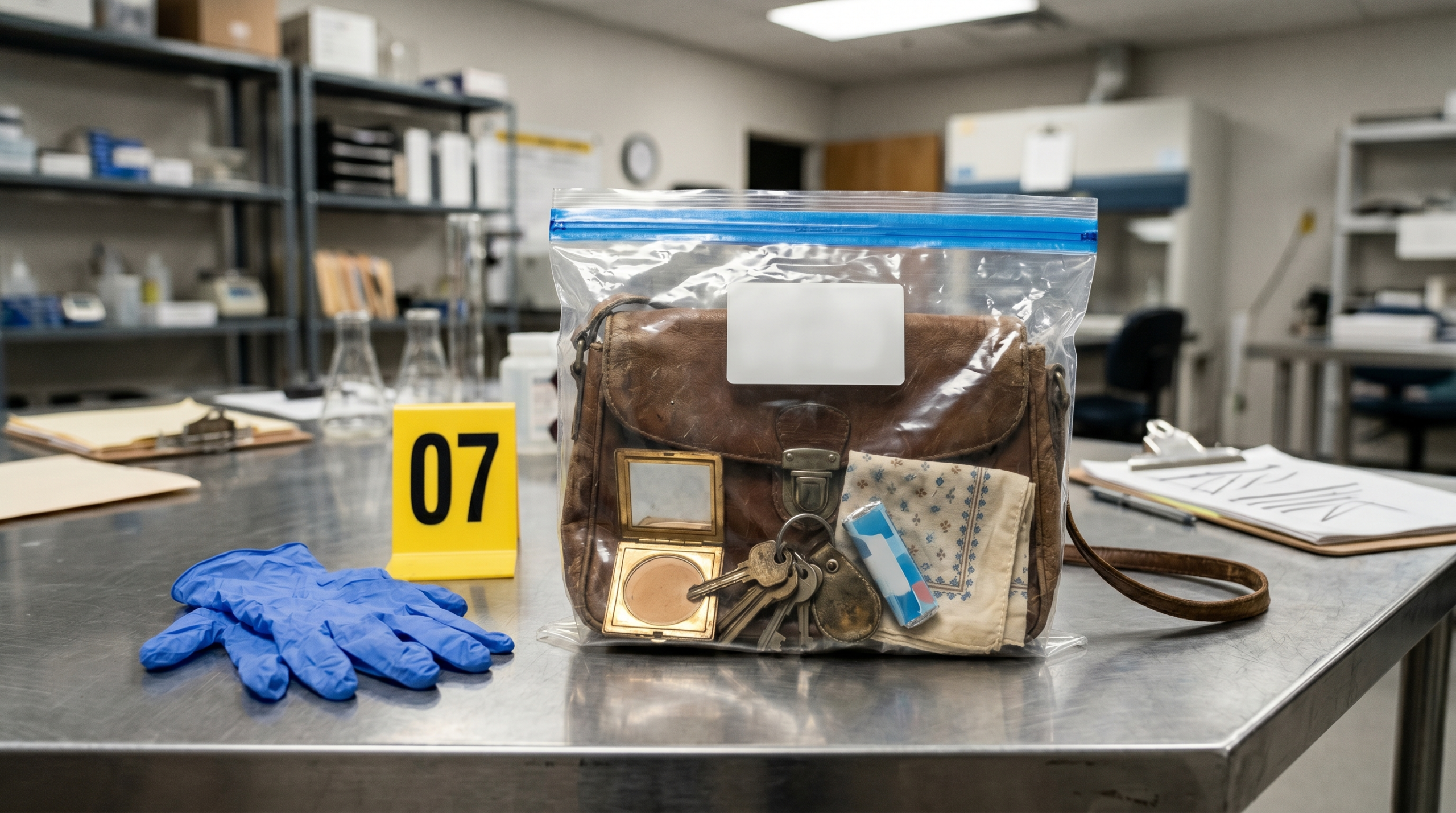
Assistant District Attorney Brittany Smith said the case devastated the Walsh and Caltieri families and that investigators reconstructed Janet’s final hours and pursued leads in every direction. Detectives at the time and in later reviews continued to examine the preserved physical evidence; Janet’s purse and its contents had been documented and kept in evidence for decades. Authorities described the examination of the scene and the interviews that followed as pointing to people who had contact with Janet that evening, but investigators did not publicly close the case in the immediate aftermath.
The 1979 death of Janet Walsh remains a stark example of a small-town homicide that generated sustained investigative focus on multiple possible suspects, family sorrow and long-standing questions about what transpired on her last night alive.
Leave a Reply