
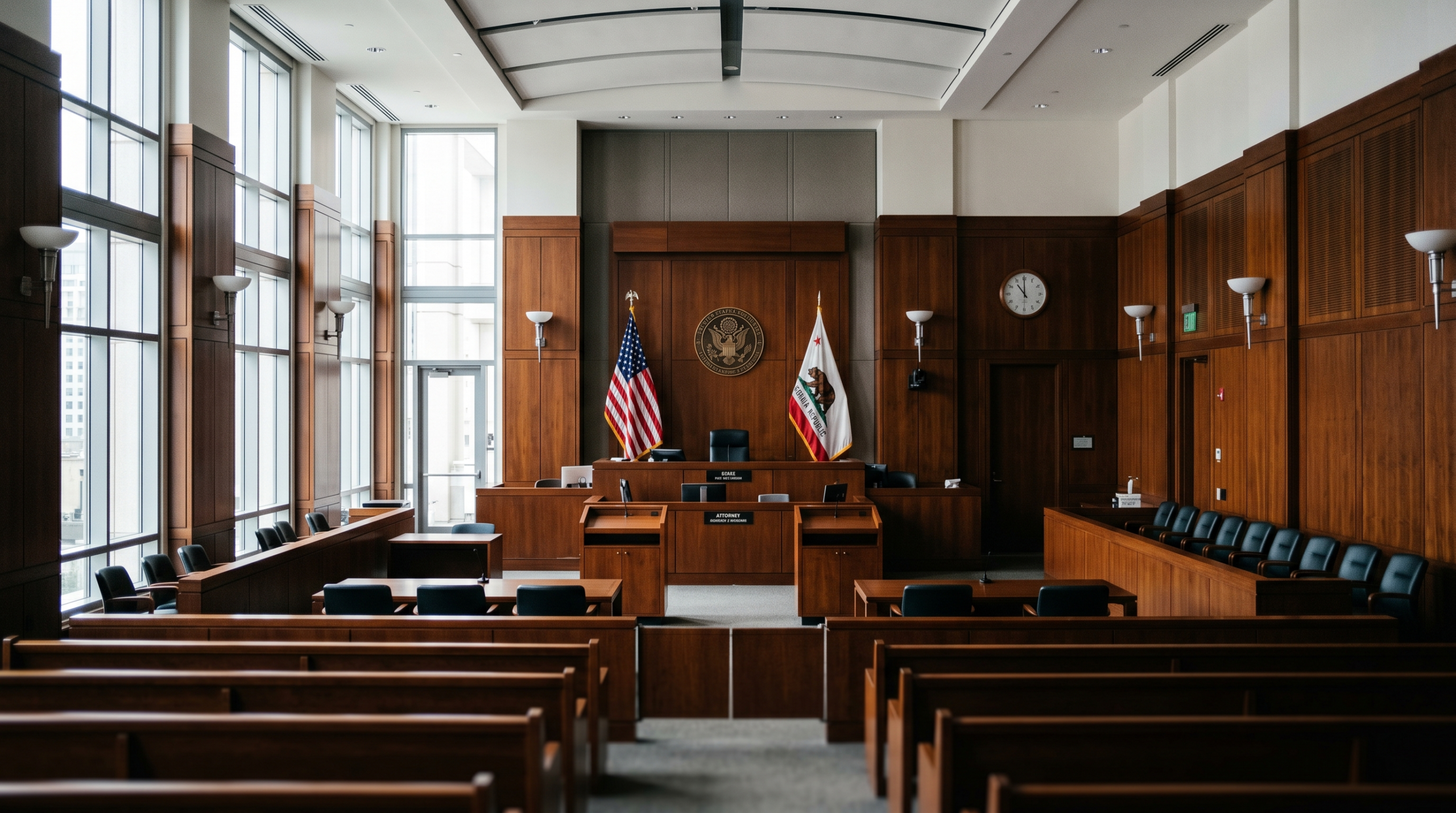
A federal magistrate judge heard extensive arguments Thursday as Google pursued a new trial in its protracted patent dispute with Sonos, challenging a 2023 jury verdict that awarded the speaker manufacturer more than $32.5 million in damages.
The hearing before U.S. Magistrate Judge Peter Kang in San Francisco stretched over two hours, with attorneys from both technology companies presenting conflicting views on whether the original trial proceedings and jury findings were legally sound.
The dispute centers on multiroom speaker technology patents, specifically relating to systems that enable smart speakers to operate in coordinated groups across different rooms. The technology allows users to play music synchronously throughout their homes while maintaining the ability to modify or save speaker groupings.
Google’s legal team, led by attorney Melissa Baily, argued that the jury’s damage calculations were fundamentally flawed. The company contends that jurors lacked appropriate comparative figures to determine fair per-unit royalties, describing the $2.30 per unit rate as “grossly excessive” and “totally untethered to the value of the patent at issue.”
The May 2023 trial, overseen by U.S. District Judge William Alsup, represented the latest chapter in a decade-long series of legal disputes between the two California-based companies. During that trial, Google sought a declaratory judgment of non-infringement concerning six patents, which Judge Alsup ultimately reduced to two key patents, referred to as patents 885 and 966.
Sonos attorney Elizabeth Moulton defended the jury’s decision-making process, arguing that jurors received adequate instructions and acted within their authority as factfinders. She noted that with Google products using the allegedly infringed patents averaging $100 in price, the jury’s finding of approximately 2% of the product cost was reasonable.
The companies’ relationship began cooperatively, with Google and Santa Barbara-based Sonos collaborating to integrate Google services into Sonos speakers. However, Sonos later accused Google of appropriating its smart speaker technology for use in Google Home and other devices.
Beyond the damages dispute, Sonos has also sought a permanent injunction against Google, claiming irreparable harm to its reputation from the alleged patent infringement. Sonos attorney Sydney Hecimovich explained that the company had deliberately waited for a jury verdict rather than seeking a preliminary injunction earlier.
When questioned about why Sonos hadn’t pursued legal action against other potential infringers in the smart speaker market, Hecimovich cited resource constraints, stating, “I think Sonos would love to have the resources and the ability to bring lawsuits against these other potential infringers. But that is just not the reality of the company.”
Google’s counsel countered that the evidence Sonos presented for an injunction primarily concerned two products, including Google Home, which have since been discontinued. This fact, they argued, undermines the necessity for injunctive relief.
Additionally, Sonos has requested its own judgment as a matter of law and a new trial regarding the 966 patent claim, citing concerns about jury instructions that were objected to during the original proceedings.
The 2023 jury had determined that Google did not infringe on claims related to original versions of the accused products but found differently regarding newer versions. Notably, the jury ruled out willful infringement on Google’s part.
Judge Kang concluded the hearing without indicating his position on the various motions, stating that orders would be submitted “in due course.” The outcome of these proceedings could significantly impact both companies’ positions in the competitive smart speaker market and potentially influence future patent litigation strategies in the technology sector.
Leave a Reply