
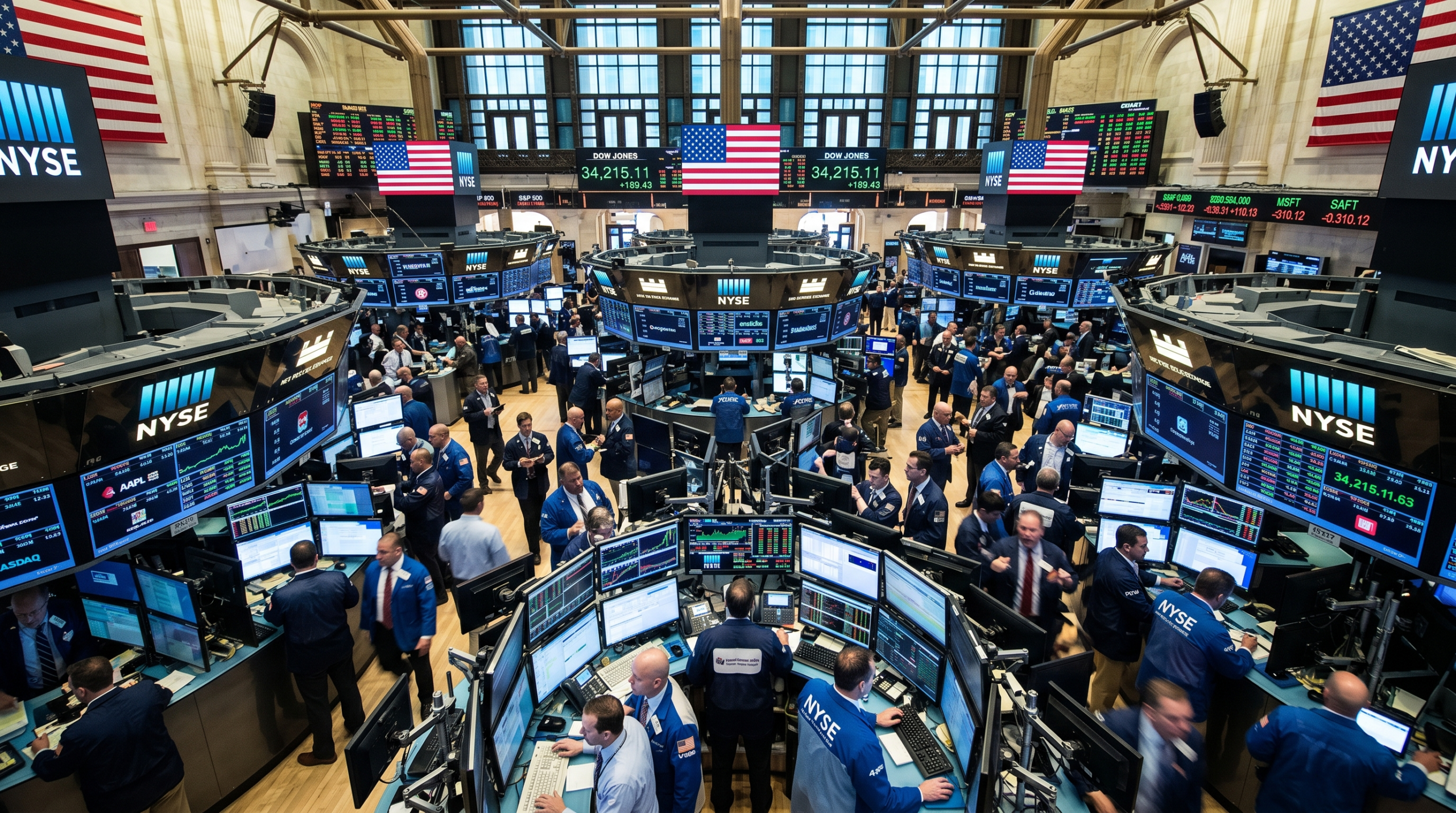
Financial markets posted substantial gains this week, with the Dow Jones Industrial Average breaking through the 50,000-point barrier to reach a record 50,579 points, despite mounting economic pressures from ongoing Middle East tensions and deteriorating consumer confidence.
The benchmark index gained 959 points over the week, while the S&P 500 and Nasdaq advanced 75 and 241 points respectively. These gains came even as multiple economic indicators pointed toward potential challenges ahead.
Gasoline prices have climbed to a four-year peak, with regular unleaded fuel averaging $4.55 per gallon nationwide according to AAA data. The surge in energy costs stems from supply disruptions linked to the ongoing Iran conflict, which has now entered its third month with no clear resolution in sight.
Consumer sentiment has taken a significant hit, falling to 44.8 on the University of Michigan’s monthly index. This represents a 10 percent decline from April’s reading and a 14 percent drop compared to the same period last year, marking a new low point for the survey. Both the current conditions and future expectations components of the index experienced similar declines.
The erosion in confidence spans political affiliations, with sentiment among independent voters and Republicans reaching their lowest levels during the current administration. Nearly 60 percent of consumers report that elevated prices have negatively impacted their personal finances, up from 50 percent in the previous month. Lower-income households and those without college degrees have been particularly affected by the economic pressures.
Joanne Hsu, the survey’s chief economist, noted that consumers initially may have hoped for a quick resolution to the Iran conflict earlier in the year. However, three months into the crisis, there is growing concern that supply chain disruptions will persist for an extended period. Consumers worry that rising gasoline prices will trigger broader inflationary pressures throughout the economy with long-lasting consequences.
The appointment of Kevin Warsh as the new Federal Reserve Chair has not provided the market boost some had anticipated. With recent inflation data coming in higher than expected, analysts now project at most one interest rate reduction by year’s end, with some preparing for the possibility of rate increases.
Minutes from the April Federal Open Markets Committee meeting revealed a hawkish stance among voting members. A majority of participants indicated support for rate increases should inflation remain persistently above the 2 percent target. The duration and economic impact of the Middle East conflict was cited as a key factor in maintaining current interest rate levels, though several members suggested rate reductions might be appropriate later in the year.
Strong employment figures combined with rising inflation since the April meeting suggest the central bank will likely maintain current interest rates at next month’s meeting. Market pricing has shifted to reflect expectations of potential rate increases over the coming twelve months.
Ryan Sweet, global chief economist at Oxford Economics, observed that uncertainty surrounding the Middle East conflict’s duration and future energy price trajectories is clearly concerning Federal Reserve officials. However, he characterized fears about inflation expectations becoming unanchored as premature and excessive.
The market’s resilience in the face of these headwinds reflects investor optimism about corporate earnings and economic fundamentals, though questions remain about how long this disconnect between market performance and economic indicators can persist.
Leave a Reply