
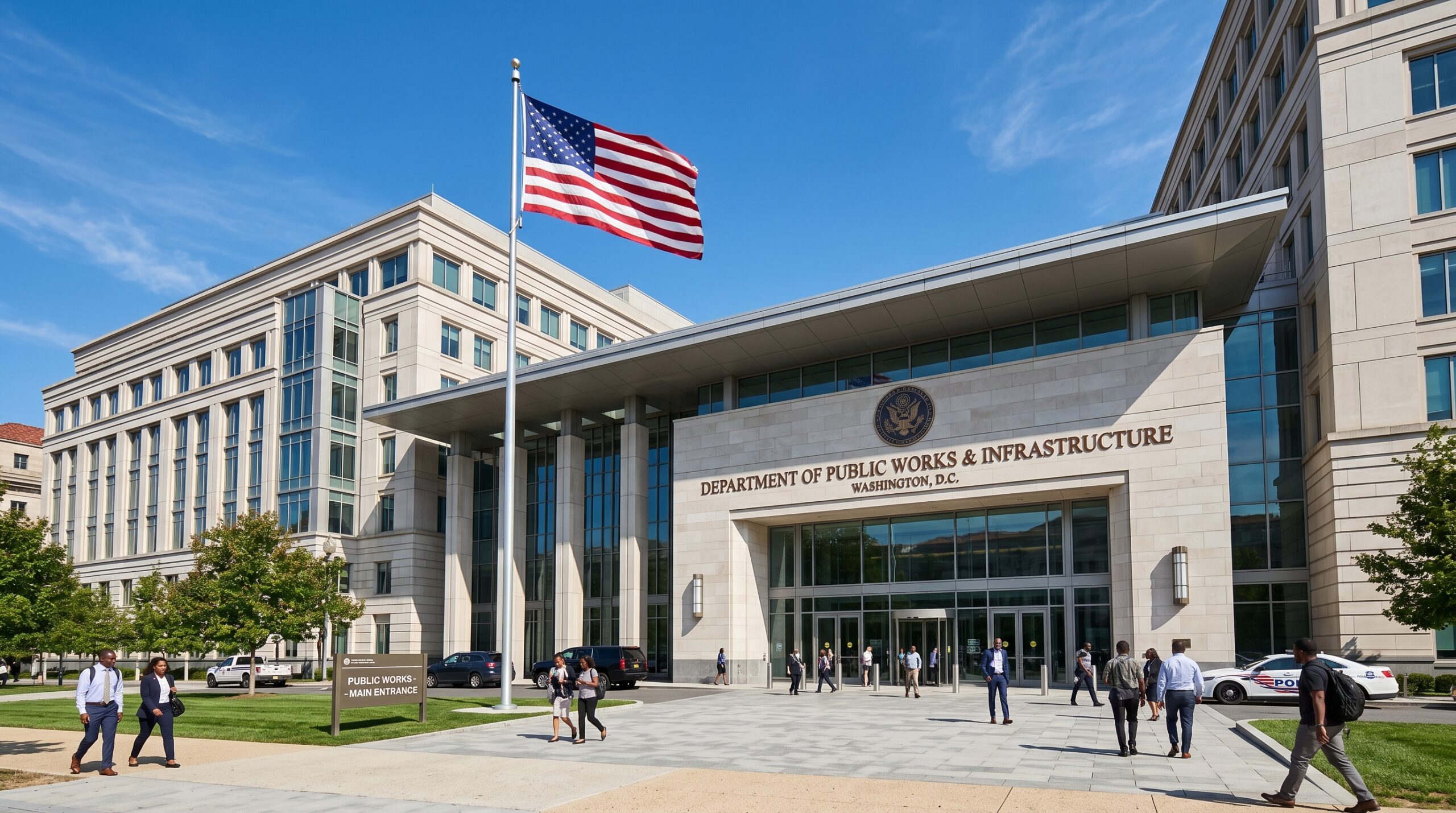
Twenty-four Democratic state attorneys general declined to participate in a federal anti-fraud roundtable on Tuesday, citing inadequate notice and what they characterized as preferential treatment given to their Republican counterparts.
The meeting, hosted by Vice President JD Vance in his capacity as chair of the newly established Task Force to Eliminate Fraud, was intended to bring together state and federal officials to discuss strategies for combating fraudulent activities, particularly in the Medicaid system.
According to a letter sent to Vance, the Democratic attorneys general stated they received their invitations on Friday, providing less than one business day’s notice before the Tuesday meeting. They noted that Republican state attorneys general had been invited several days earlier, raising concerns about the genuineness of the administration’s collaborative intentions.
California Attorney General Rob Bonta expressed frustration with the invitation process, stating that the abbreviated timeline suggested Democratic participation was either an afterthought or unwelcome. Bonta reported that a representative from the California Department of Justice who had adjusted her schedule and traveled to Washington, D.C. for the meeting was denied entry at the venue.
New York Attorney General Letitia James reported a similar experience, stating that her deputy attorney general was also refused access to the meeting. James emphasized that fraud prevention should transcend political divisions and expressed disappointment that the initial invitations appeared to favor one political party.
Despite the absence of most Democratic state attorneys general, fifteen state attorneys general attended the roundtable. During his opening remarks, Vance emphasized the bipartisan nature of anti-fraud efforts and acknowledged representation from Connecticut and Oregon.
The meeting’s primary focus was Medicaid fraud prevention, an area where Democratic states claim to have achieved significant success. James highlighted that New York recovered more than $627 million between 2019 and 2025 through anti-fraud enforcement efforts.
However, the Democratic attorneys general expressed concern that recent federal budget reductions to the Department of Health and Human Services could undermine state-level fraud prevention efforts. In their letter, they noted that states currently lack sufficient HHS inspector generals to support their anti-fraud initiatives effectively.
The attorneys general argued that successful fraud prevention requires sustained federal-state partnerships supported by adequate resources and coordination. They suggested that funding cuts to oversight agencies could potentially worsen the fraud problems the task force aims to address.
The task force itself was established through an executive order signed by President Donald Trump in March, appointing Vance to lead federal anti-fraud efforts. The initiative has faced criticism from various quarters regarding its scope and priorities.
The letter declining the invitation was signed by attorneys general from Arizona, California, Colorado, Connecticut, Delaware, Hawaii, Illinois, Maine, Maryland, Massachusetts, Michigan, Minnesota, Nevada, New Jersey, New Mexico, New York, North Carolina, Oregon, Rhode Island, Vermont, Virginia, Washington state, Wisconsin, and the District of Columbia.
Several of these officials, including those from Hawaii, Illinois, New Jersey, and Wisconsin, joined Bonta and James at a press conference where they outlined their concerns about the meeting’s organization and the broader implications for anti-fraud enforcement.
The dispute highlights ongoing tensions between state and federal authorities regarding law enforcement priorities and the allocation of resources for combating financial crimes. It also underscores the challenges of maintaining effective bipartisan cooperation on issues that traditionally have enjoyed broad support across political lines.
Leave a Reply