
A legal battle has erupted over the protection of one of North America’s rarest creatures, a tiny springsnail that exists in only one location along the Arizona-Mexico border. The Center for Biological Diversity filed a lawsuit on Thursday against the U.S. Fish and Wildlife Service, alleging the agency has failed to meet its legal obligations to protect the Quitobaquito tryonia, a snail no larger than a poppyseed.
The lawsuit centers on the agency’s alleged failure to designate the species as endangered within the timeframe required by the Endangered Species Act. According to the environmental organization, more than ten years have passed since the initial petition to list the species was submitted, with the agency missing multiple legal deadlines.
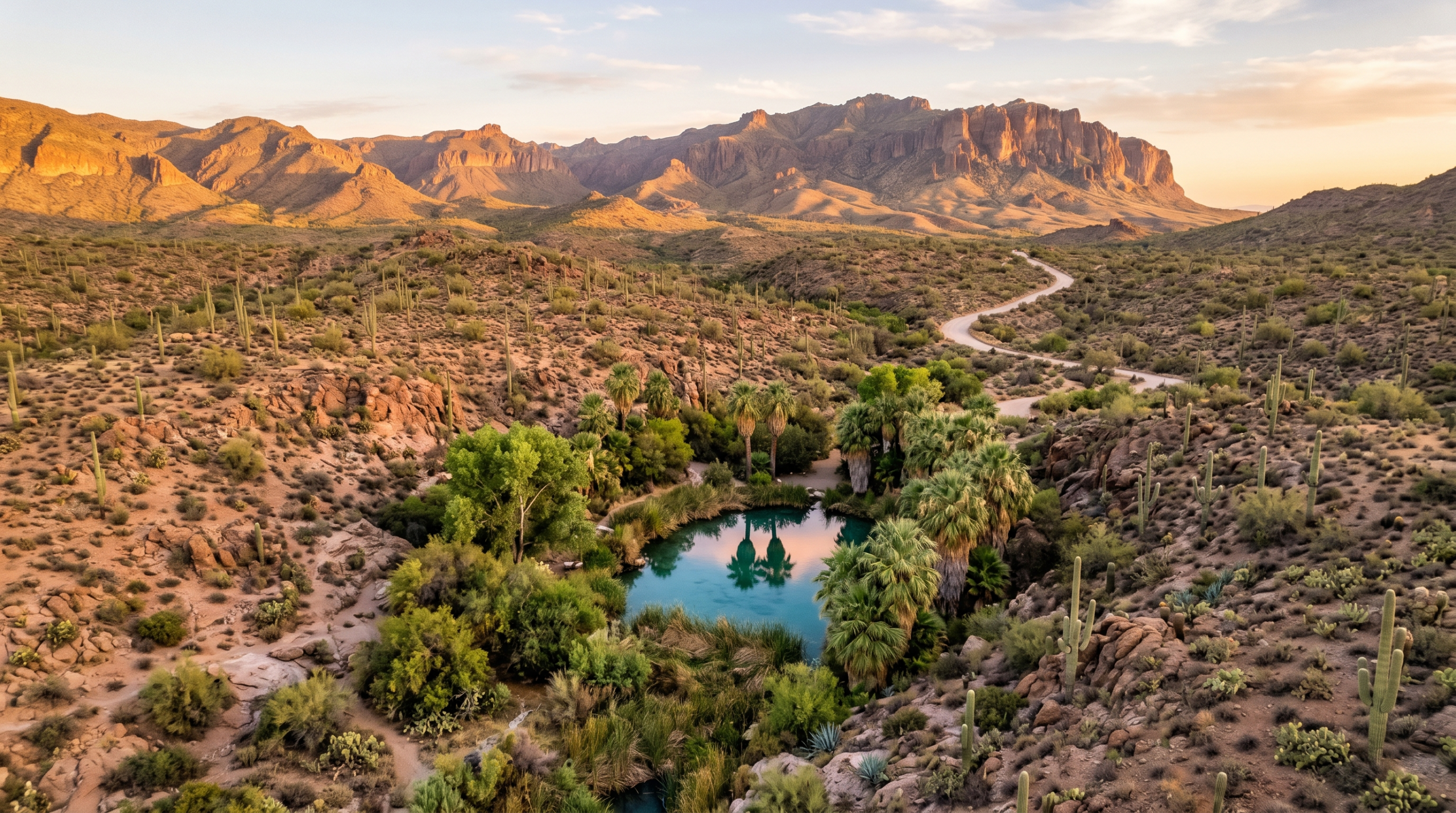
The Quitobaquito tryonia inhabits an area smaller than an acre at Quitobaquito Springs within Organ Pipe Cactus National Monument in Arizona. A primary population lives in the main spring channel, while a smaller group exists in a seep approximately 350 feet away. Historical populations in two other nearby springs have already disappeared due to groundwater pumping and drought conditions.
The timing of the lawsuit coincides with plans for expanded border wall construction through the monument. Current proposals include building a second barrier running parallel to the existing wall, creating a 100-foot enforcement zone between the two structures. This construction would directly impact Quitobaquito Springs, potentially disrupting the spring’s hydrologic functions and water retention capabilities.
The Fish and Wildlife Service conducted a 90-day finding in 2007 that indicated listing might be warranted, but did not complete the required 12-month study until 2023, and only after being legally compelled to do so. That study identified spring discharge reduction, climate change effects, and spring modification as primary threats to the species. The agency recommended designating 6,095 square feet as critical habitat, but no formal listing has occurred nearly three years later.
The springs hold significance beyond the endangered snail. The site supports other rare species including the Quitobaquito pupfish and Sonoyta mud turtles, both found nowhere else globally. The area also carries cultural importance for the Hia-Ced O’odham and Tohono O’odham peoples.
Conservation organizations have begun developing contingency plans in response to the construction threat. The Phoenix Zoo and Arizona-Sonora Desert Museum are collaborating with volunteers to create emergency salvage protocols for all three endangered species inhabiting the springs.
This legal action represents the second recent lawsuit filed by the Center for Biological Diversity regarding border construction impacts in Arizona. The organization previously challenged environmental law waivers for wall construction through the San Rafael Valley, an area identified as one of the few remaining jaguar corridors between the United States and Mexico.
The lawsuit follows recent incidents of cultural site damage during border construction activities. Contractors recently destroyed portions of the Las Playas Intaglio, an approximately 1,000-year-old geoglyph located in the Cabeza Prieta National Wildlife Refuge, about 30 miles west of Quitobaquito Springs, while creating a construction corridor.
The federal government has waived more than 50 environmental, public health, and tribal sovereignty laws to facilitate border wall construction in the region. These waivers have removed typical protections for environmentally and culturally sensitive areas along the border.
Leave a Reply