
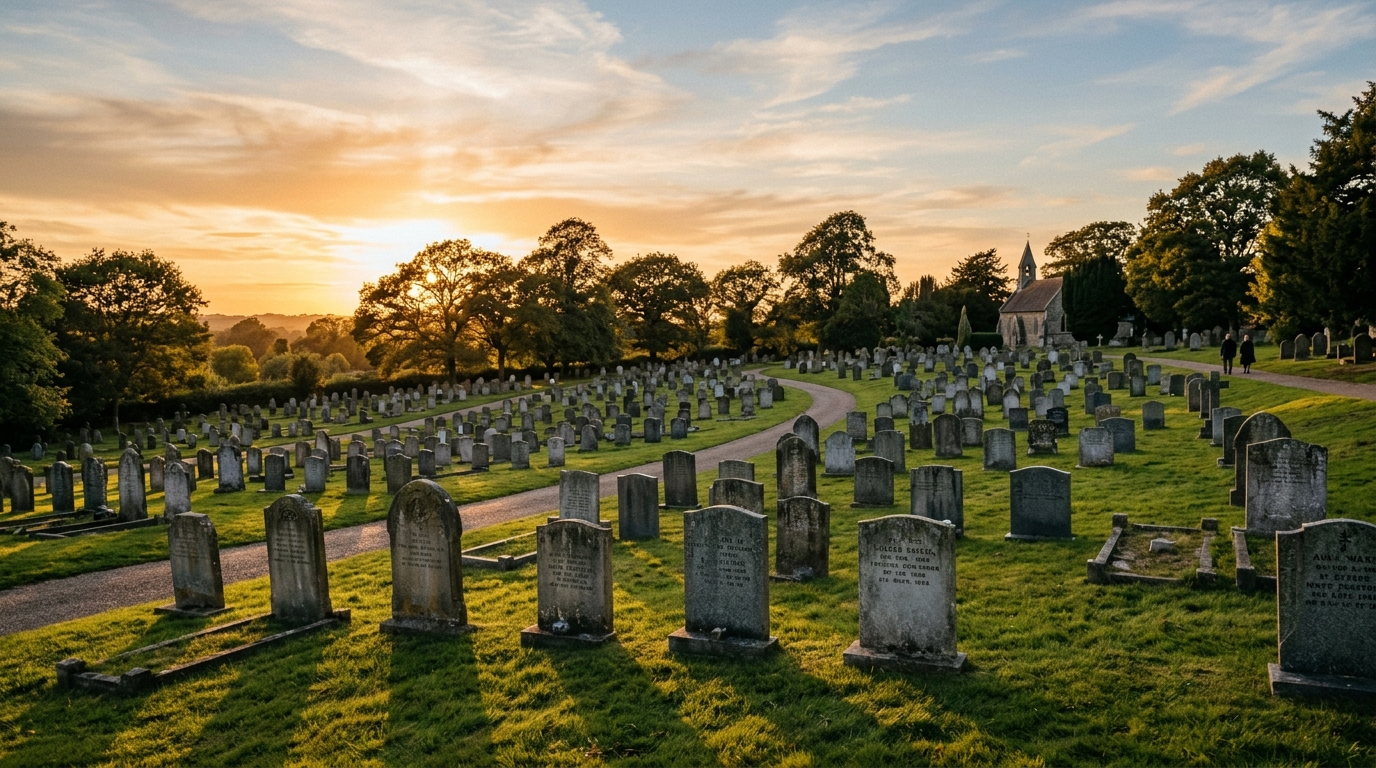
A group of Jewish residents in Arizona has filed a class action lawsuit against Paradise Memorial Gardens in Scottsdale, challenging a cemetery policy that prevents families from conducting burials according to Jewish religious customs and traditions.
The lawsuit, filed by Janet Blinder, Lisa Singer, and Gerald Levy, centers on a policy implemented in February 2025 that prohibits mourners from being present when caskets are lowered into graves. The cemetery cited safety concerns about uneven ground near gravesites as the reason for the change.
This policy directly conflicts with Jewish burial traditions, which require mourners to witness the casket being lowered and participate in covering it with soil. The three plaintiffs, who purchased burial plots at the cemetery more than a decade ago, argue they were sold these plots with the understanding that traditional Jewish burials would be permitted.
The conflict came to light through the experience of Cindy Carpenter, who purchased five burial plots for $50,000 after her daughter Chelsie died of cancer in November 2025. During Chelsie’s funeral, mourners were permitted to watch the casket lowering but only from behind a rope positioned approximately 20 feet away. When Carpenter’s other daughter, Cortney, died in January, the family was required to sign a graveside services contract containing a handwritten note stating the casket would not be lowered until the family had completely left the cemetery grounds.
Both Cindy and Jim Carpenter signed the contract while explicitly noting their objections to the policy. When Cindy Carpenter requested to observe the lowering from inside a building, her request was denied.
The plaintiffs allege the policy has been applied in a discriminatory manner, noting that non-Jewish families have been allowed to remain graveside during casket lowering while Jewish families have been prohibited from doing so.
Since learning about the policy change, the plaintiffs report spending time and money seeking religious and legal counsel to address the situation. The cemetery offered refunds amounting to only 7% of the original purchase price for the plots. When Blinder requested permission to move her husband’s remains to another cemetery where she could eventually be buried beside him according to Jewish tradition, the cemetery denied her request.
The lawsuit points to plot agreements that state no amendments shall bind either party unless reduced to writing and signed by both purchaser and seller. The plaintiffs argue the cemetery violated these agreements by implementing the policy change without consulting plot owners.
Paradise Memorial Gardens includes a section established in 1989 by Ahavat Torah Congregation, a conservative Jewish synagogue, specifically dedicated to Jewish burials following traditional conservative Jewish customs. The plaintiffs argue that by creating this dedicated section, the cemetery represented it would accommodate and respect Jewish funeral practices.
The legal action also references Arizona Administrative Code sections R4-12-301 and R4-12-302, which require funeral service providers to abstain from conduct that could disrupt funeral services or cause injury to the decedent’s family and make reasonable efforts to cooperate with religious customs.
The plaintiffs are pursuing claims under the Arizona Consumer Fraud Act, breach of contract, and breach of implied covenant of good faith. They seek to represent all individuals who purchased plots before February 14, 2025, and who, for religious reasons, intend for mourners to remain present during casket lowering.
The lawsuit requests that a state judge declare the policy illegal and order the cemetery to revoke it. The plaintiffs also seek damages for expenses incurred on legal and religious consultation related to the policy change.
Leave a Reply