
A federal appeals court panel considered Thursday whether an artificial intelligence-powered shopping assistant violates computer fraud laws when it accesses an e-commerce platform on behalf of users.
The case centers on Perplexity AI’s Comet application, which functions as an AI shopping assistant that helps users navigate online marketplaces. The software company, valued at $21 billion as of early 2026, is challenging a preliminary injunction issued in March that restricts the tool’s operation.
Senior U.S. District Judge Maxine Chesney had ruled that the e-commerce giant demonstrated likelihood of success in proving that Perplexity’s Comet application violates federal and state computer fraud statutes. The judge found evidence that the tool accesses password-protected user accounts and transmits information to Perplexity’s servers without the platform’s authorization.
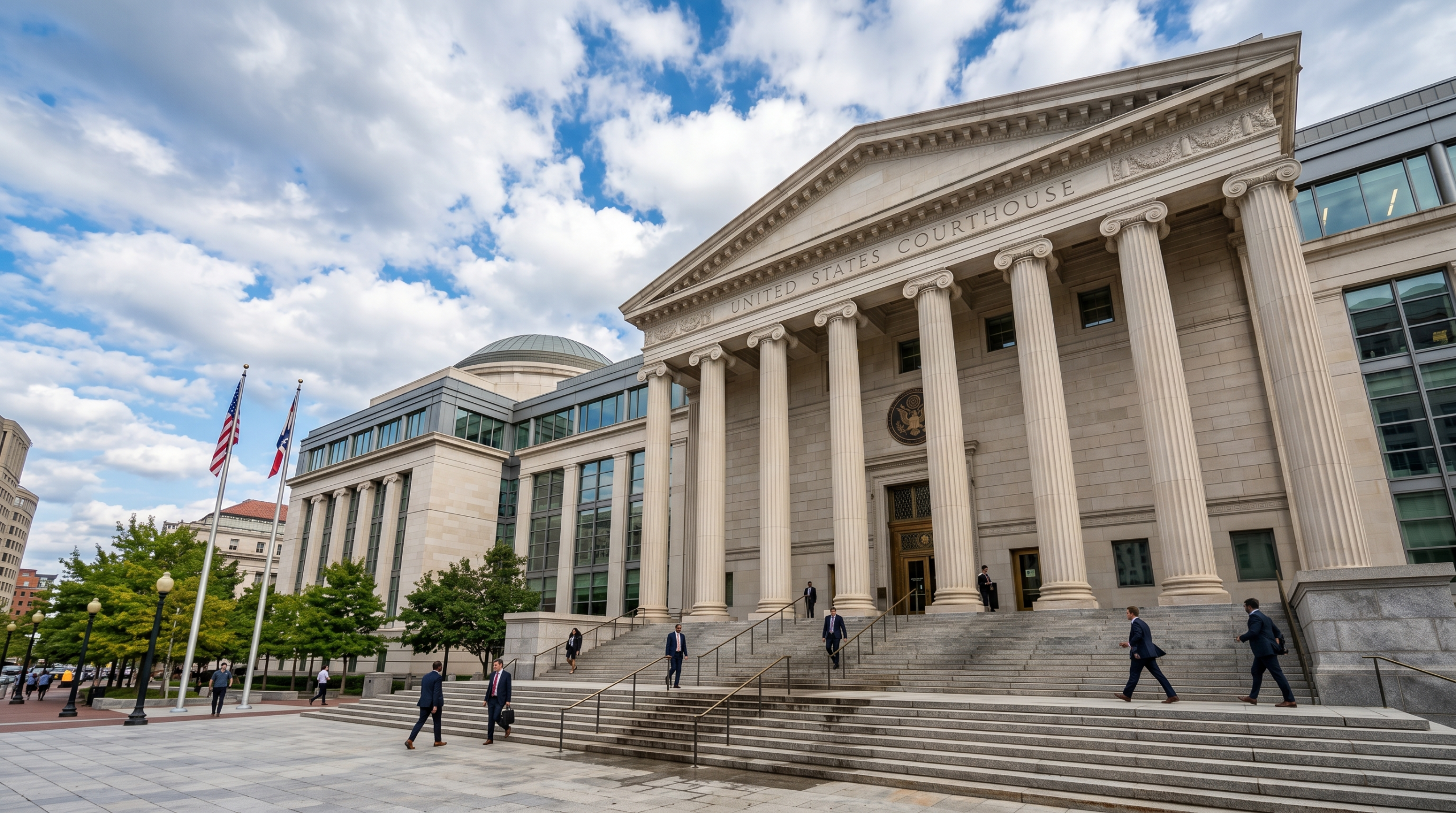
During oral arguments at the William Kenzo Nakamura United States Courthouse in Seattle, Perplexity’s attorney Chris Michel argued that the company’s tool operates similarly to standard web browsers. He maintained that Comet does not hack into computer systems but rather acts as an intermediary that accesses websites on users’ behalf with their permission.
“All of the intent to access is coming from the user,” Michel stated, comparing the tool’s function to accessing websites through Safari or Chrome.
The e-commerce platform’s attorney Hagan Scotten countered that Comet operates fundamentally differently from traditional browsers. He emphasized that competing companies with similar technological capabilities, including Brave and Microsoft Edge, choose not to access the platform in the same manner for security reasons.
Scotten argued that Comet’s “agentic capabilities” set it apart from passive browsers, noting the tool’s ability to find information and act on it autonomously. He stressed that automated AI agents accessing online stores and private account information must transparently identify themselves.
The appeal has drawn attention to broader questions about how decades-old computer fraud laws apply to emerging AI technologies. U.S. District Judge John Hinderaker, sitting by designation, expressed concern about potential unintended consequences.
“This case is difficult in part because we are dealing with a statute from 1986,” Hinderaker observed. “It’s not really built for these circumstances.”
The judge noted his worry about unforeseen implications that might flow from the court’s decision in this novel area of law.
The dispute began when the e-commerce company filed suit against Perplexity in November, seeking to block what it characterizes as unauthorized access to its systems. The platform maintains that the AI tool causes technological harm when collecting user data without proper authorization.
Michel argued in rebuttal that maintaining the preliminary injunction would stifle innovation and competition in the rapidly evolving AI sector. He urged the court to allow the litigation to proceed without the “harsh remedy” of an injunction.
The three-judge panel, which also included U.S. Circuit Judge Milan Smith Jr. and U.S. Circuit Judge Eric Tung, did not indicate when it would issue its ruling. The injunction remains stayed pending the appeal’s outcome.
The case highlights ongoing tensions between established online platforms and emerging AI technologies that seek to enhance user experiences through automated assistance. As AI tools become more sophisticated, courts are increasingly called upon to determine how existing legal frameworks apply to these new technologies.
Leave a Reply