
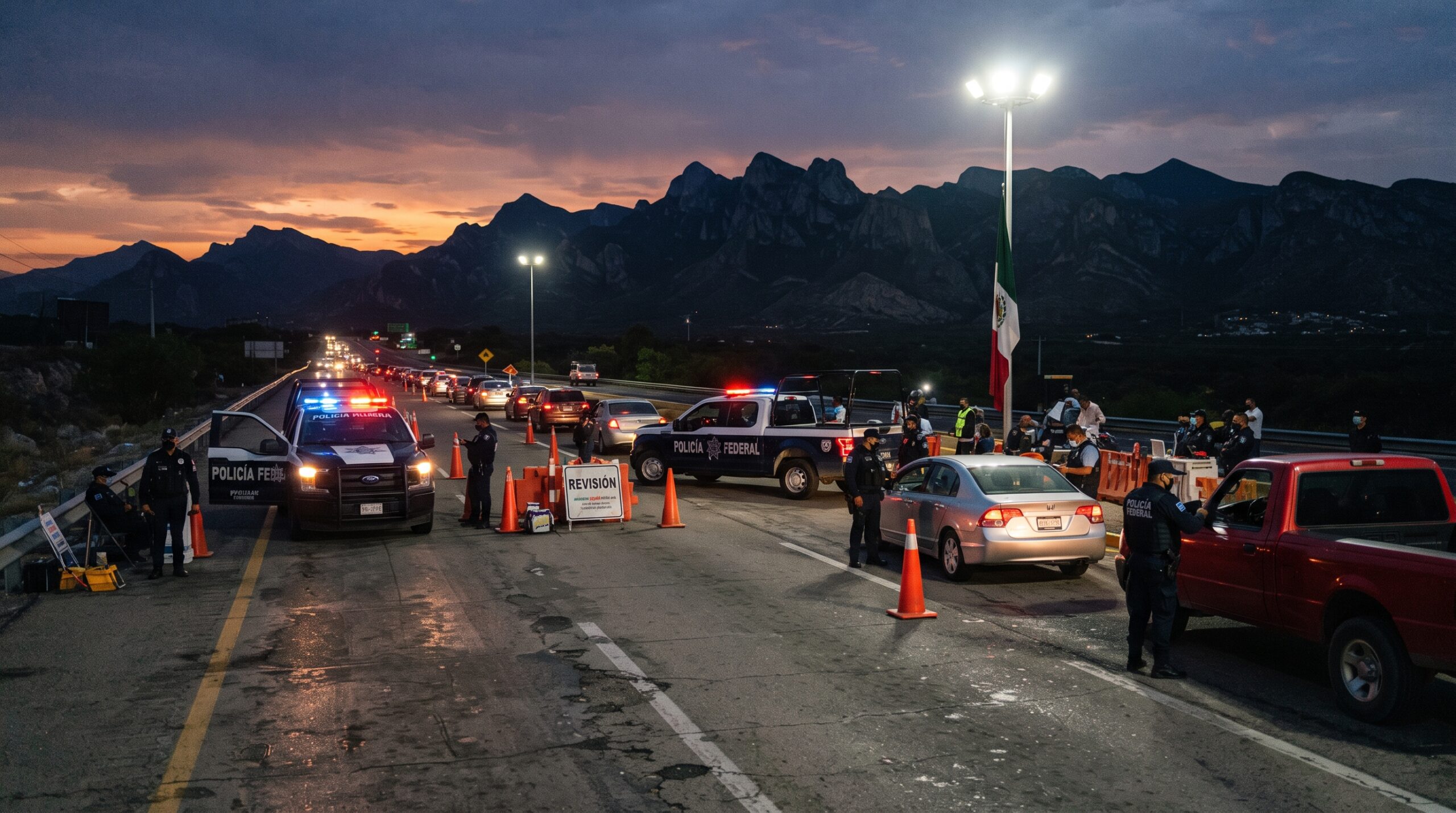
Recent developments highlight mounting pressures on Mexican law enforcement as drug trafficking organizations expand their operations globally and diversify their criminal portfolios beyond traditional narcotics.
According to recent United Nations data, global cocaine production has surged to more than 4,000 tons annually, representing a fourfold increase over the past decade. Methamphetamine seizures are climbing at approximately 13 percent yearly, indicating a rapidly expanding market. Mexican trafficking organizations have played a significant role in this growth, extending their reach far beyond North American borders.
These criminal networks have transformed their operational model, establishing production facilities in Africa and Europe while participating in supply chains throughout Asia and Oceania. Rather than simply trafficking finished products, they now provide technical expertise for clandestine laboratory operations worldwide, positioning themselves as wholesale suppliers in an increasingly globalized market.
Amid these expanding criminal enterprises, at least twelve current and former Mexican officials have reportedly approached the Drug Enforcement Administration about potential cooperation arrangements. These individuals include members of President Claudia Sheinbaum’s political party, suggesting internal divisions over how to address organized crime challenges.
This development follows federal indictments filed against ten current and former officials from Sinaloa state, including sitting Governor Rubén Rocha Moya, on charges of protecting criminal organizations. The case marked the first instance of Washington pursuing charges against an elected Mexican governor currently in office. President Sheinbaum has criticized these investigations as foreign interference, though the reported outreach from officials within her own party indicates disagreement on this stance.
Simultaneously, criminal organizations have diversified their revenue streams through fuel theft operations, known locally as huachicol. The US Treasury Department recently imposed sanctions on two businessmen and nine companies accused of operating a fuel theft network that allegedly smuggled American gasoline through shell companies. Industry analysts estimate these theft operations cost the Mexican government approximately 24 million dollars daily in lost tax revenue, transforming what began as a security issue into a significant fiscal challenge.
The fuel theft networks have become major income generators for criminal organizations across Mexico, contributing to increased violence in regions where these operations occur. The sophisticated schemes involve complex corporate structures designed to obscure the illegal origin of stolen petroleum products.
These parallel developments underscore the evolving nature of organized crime in Mexico. Criminal networks are diversifying their activities and expanding internationally at a pace that traditional enforcement strategies struggle to match. Record drug seizures, while highlighting law enforcement efforts, may equally indicate that more product is moving through trafficking routes than ever before.
The situation presents complex challenges for both Mexican and international authorities. As criminal organizations become more sophisticated and globally connected, traditional approaches focused primarily on drug interdiction appear increasingly inadequate. The reported interest from Mexican officials in cooperating with US authorities suggests recognition of these limitations, even as political tensions complicate bilateral enforcement efforts.
The expansion of criminal activities beyond drug trafficking into sectors like fuel theft demonstrates how these organizations adapt to market opportunities and enforcement pressures. This diversification makes them more resilient to targeted law enforcement actions while creating new security and economic challenges for affected communities.
Leave a Reply