
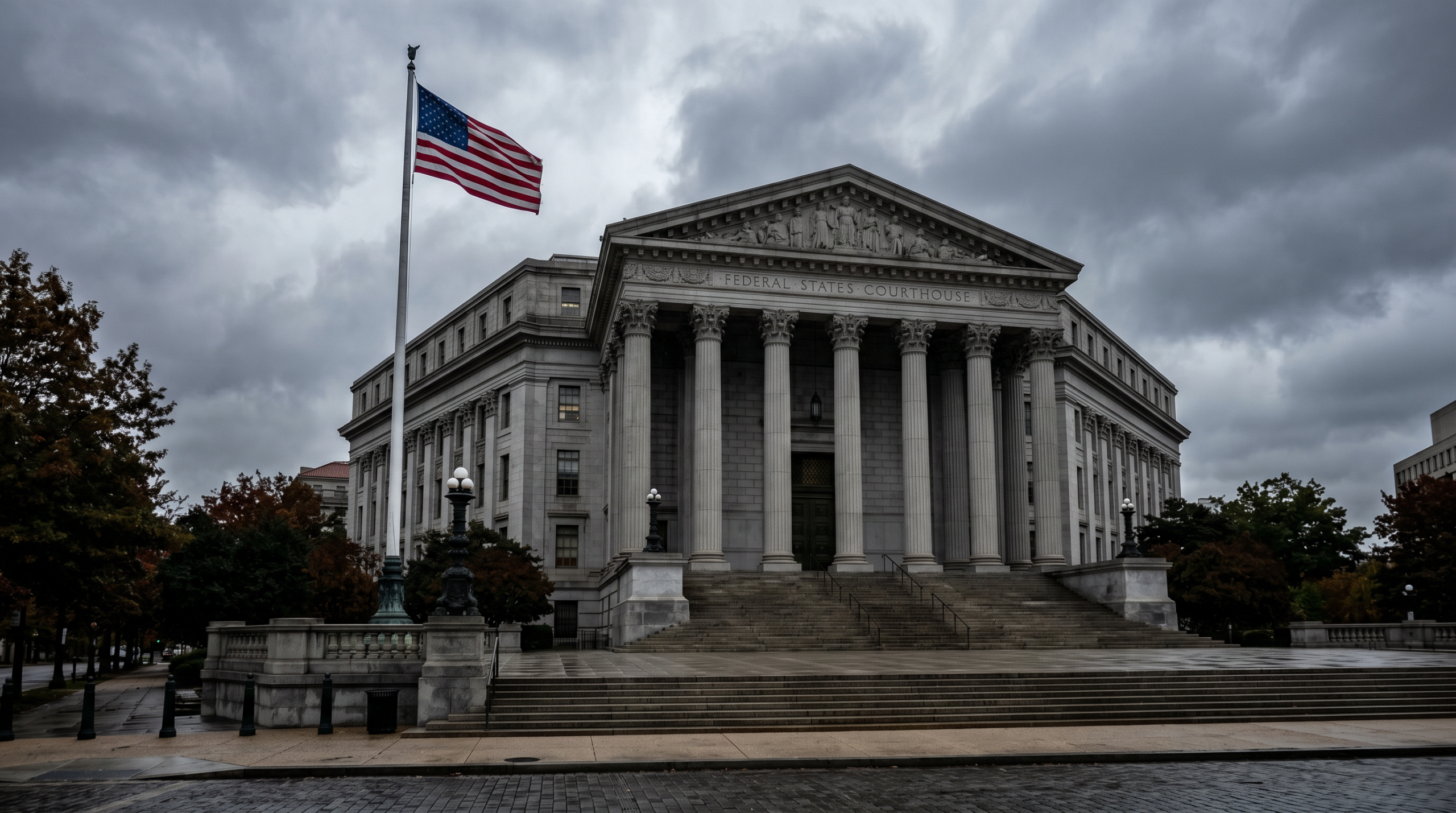
Federal prosecutors have appealed to the Second Circuit Court of Appeals to reverse a lower court decision that excluded racial hatred as an aggravating factor in the upcoming federal trial of the man who killed ten people at a Buffalo supermarket in 2022.
The 22-year-old shooter, who is already serving life without parole on state murder charges, faces federal hate crimes and weapons charges that could result in the death penalty. Jury selection for the federal trial is scheduled to begin in August.
The appeal centers on a ruling by U.S. District Judge Lawrence J. Vilardo, who struck down several aggravating factors that prosecutors wanted to present during the penalty phase of the trial. These factors included injury to surviving victims, racially motivated killings, and attempts to incite violence.
During oral arguments on Wednesday, Assistant U.S. Attorney Tiffany Lee argued that removing these factors would prevent the government from presenting information that distinguishes the defendant’s conduct as particularly blameworthy. She emphasized that the jury should be able to consider the full context of the crimes when determining whether to impose the death penalty.
Circuit Judge Joseph Bianco questioned why racial motivation shouldn’t be considered as a separate aggravating factor, noting that crimes motivated by racial hatred could be deemed more reprehensible regardless of the victims’ race. Circuit Judge Richard Sullivan observed that Congress has already recognized hate crimes as more serious offenses through legislation.
The prosecutors argued that the defendant specifically intended to incite violence, having been inspired by watching footage of a 2019 mass shooting at a mosque in New Zealand that killed 51 people. They noted that the Buffalo shooter livestreamed his own attack, hoping to inspire similar acts of violence.
Defense attorney Daniel Habib countered that the lower court’s decision was correct under the Federal Death Penalty Act. The defense maintains that asking jurors to consider the defendant’s racial hatred while simultaneously instructing them not to consider the victims’ race creates an irreconcilable conflict.
The timing of the appeal adds urgency to the proceedings, with jury selection questionnaires scheduled to be distributed in three weeks. Prosecutors expressed concern that any delay could disrupt the carefully planned trial schedule.
The May 14, 2022 attack targeted a supermarket in a predominantly Black neighborhood in Buffalo. The shooter drove more than 200 miles from his home to carry out the assault using a rifle inscribed with names of other mass shooters and racial slurs. He wore a tactical helmet with a camera to broadcast the attack online.
The victims ranged in age from 32 to 86 years old, with three additional people wounded in the attack. Survivors are expected to testify during both the guilt and penalty phases of the federal trial.
The three-judge panel, which included Judges Bianco, Sullivan, and Alison Nathan, did not indicate when they would issue their ruling. The decision could significantly impact how the government presents its case for the death penalty when the trial begins later this year.
The case highlights ongoing legal debates about how racial hatred should be considered in federal death penalty cases, particularly when the underlying charges already involve hate crimes. The outcome of this appeal could set important precedents for how similar cases are prosecuted in the future.
Leave a Reply