
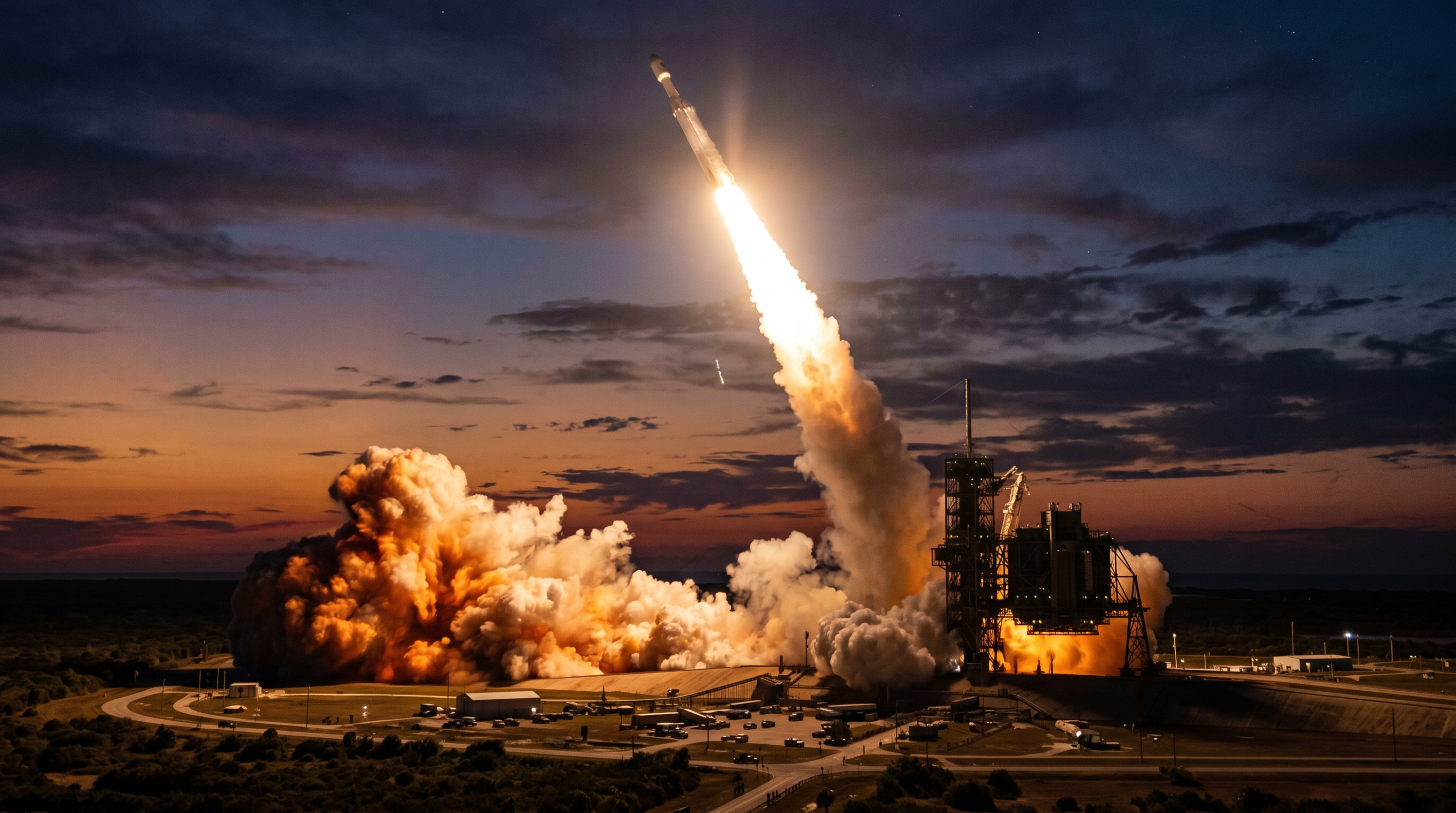
China successfully launched three astronauts aboard the Shenzhou 23 spacecraft on Sunday evening, marking another milestone in the nation’s expanding space program. The crew departed from the Jiuquan Satellite Launch Center in northwestern China, bound for the Tiangong space station where they will conduct extensive scientific research.
The mission crew consists of commander Zhu Yangzhu, Zhang Zhiyuan, and Lai Ka-ying, who is also known as Li Jiaying in Mandarin transliteration. Lai represents a historic milestone as the first Hong Kong-born astronaut to participate in a space mission. She brings specialized expertise to the mission, holding a doctoral degree in computer forensics.
The three astronauts will undertake dozens of scientific and application projects during their stay aboard the orbital facility. Their arrival at Tiangong will involve an in-orbit crew rotation with the Shenzhou 21 team, who have maintained operations at the space station for more than 200 days.
One of the most significant aspects of this mission involves an extended stay for one crew member, who will remain aboard the space station for an entire year. This extended duration represents one of the longest continuous space residencies globally and will provide valuable data on human adaptability and performance limits during prolonged exposure to spaceflight conditions.
The Tiangong space station, whose name translates to “Heavenly Palace,” has been operational since welcoming its first crew in 2021. The facility represents China’s independent space habitation program, developed after the nation was excluded from participation in the International Space Station due to national security concerns raised by the United States.
This latest mission arrives at a crucial time in the nation’s space exploration timeline, as authorities work toward achieving a crewed lunar landing by 2030. The ambitious goal places China in direct competition with NASA, which has set its own target for returning astronauts to the lunar surface by 2028.
The Shenzhou program, which translates to “Divine Vessel,” has maintained a consistent schedule of missions to support the continuous operation of Tiangong. Previous missions have demonstrated the program’s operational capabilities, including an emergency rescue operation last year that successfully returned astronauts who were stranded on the station after their spacecraft sustained damage.
The extended research opportunities provided by this mission will contribute significantly to understanding the long-term effects of space travel on human physiology and psychology. The data collected during the year-long residency will prove invaluable for future deep space missions, including potential lunar and interplanetary expeditions.
As space exploration increasingly becomes a domain of international competition and scientific advancement, missions like Shenzhou 23 underscore the nation’s commitment to establishing itself as a major space power. The successful launch and planned activities represent another step forward in humanity’s collective understanding of space travel and its effects on the human body.
Leave a Reply