
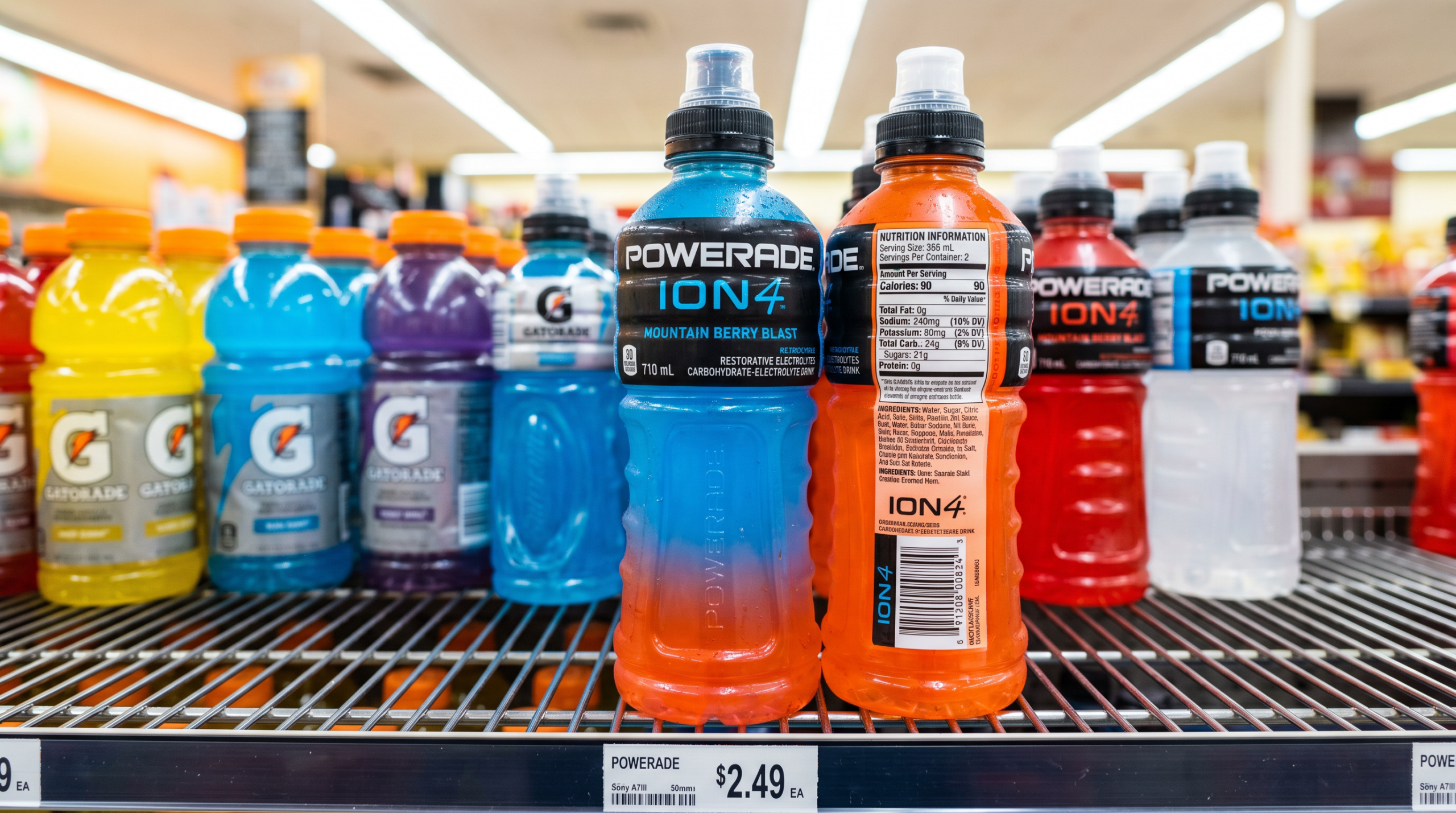
A federal class action lawsuit filed in the Southern District of New York challenges marketing claims made by PepsiCo regarding its Gatorade sports drink products. The complaint, filed in May 2026, centers on labeling that states the beverage “hydrates better than water” and contains no artificial ingredients.
The plaintiffs, representing consumers from Illinois, North Carolina, Pennsylvania, and California, argue that these hydration superiority claims are scientifically unfounded and deliberately misleading. According to the 31-page lawsuit filed by attorneys from Yagman PLLC, a Queens-based law firm, the marketing strategy represents systematic deception designed to appeal to health-conscious consumers.
The legal challenge extends beyond hydration claims to include assertions about the drink’s ingredients. The plaintiffs contest labels stating the products contain no “artificial flavors, sweeteners, or added colors,” pointing specifically to the presence of citric acid in the formulation. While citric acid naturally occurs in citrus fruits, approximately 99 percent of commercial citric acid production involves a synthetic process using Aspergillus niger, a type of black mold.
This ingredient controversy reflects a broader pattern of litigation targeting products marketed as natural despite containing industrially produced citric acid. Similar lawsuits have been filed against manufacturers of various food products, including snack crackers, juice drinks, yogurt, and potato chips. The National Institutes of Health has classified Aspergillus niger as an irritant, and some research suggests synthetic citric acid may trigger inflammatory responses in certain individuals.
The scientific debate over hydration efficacy remains complex. Sports drinks like Gatorade contain sugar, carbohydrates, and sodium designed to replenish electrolytes lost during physical activity. Health professionals acknowledge these beverages can benefit athletes during intense exercise, though excessive consumption may lead to fluid imbalances and weight gain. The question of whether any sports drink can definitively hydrate “better” than water may require judicial determination.
PepsiCo has made bold marketing statements about its products’ hydration capabilities. In an April 2026 promotion, the company explicitly claimed that certain Gatorade products “hydrate better, faster or longer than water.” These assertions form the core of the plaintiffs’ complaint about deceptive advertising practices.
The lawsuit characterizes PepsiCo’s marketing approach as “health-washing,” a strategy allegedly designed to justify premium pricing by promising health benefits that may not be substantiated. The plaintiffs argue that the company’s representations about both hydration superiority and natural ingredients are calculated to mislead consumers seeking healthier beverage options.
Citric acid, despite its controversial production method, remains one of the world’s most widely used food additives, serving as both a preservative and flavoring agent. According to a 2025 study, it ranks as the most consumed organic acid across multiple industries globally. Some researchers have raised concerns about potential links between widespread synthetic citric acid consumption and various inflammatory conditions, including asthma, juvenile arthritis, autism spectrum disorders, and fibromyalgia.
The case awaits assignment to a judge in the Southern District of New York, where PepsiCo maintains its headquarters. The outcome could have significant implications for sports drink marketing and the broader debate over what constitutes “natural” ingredients in food and beverage products.
Leave a Reply