
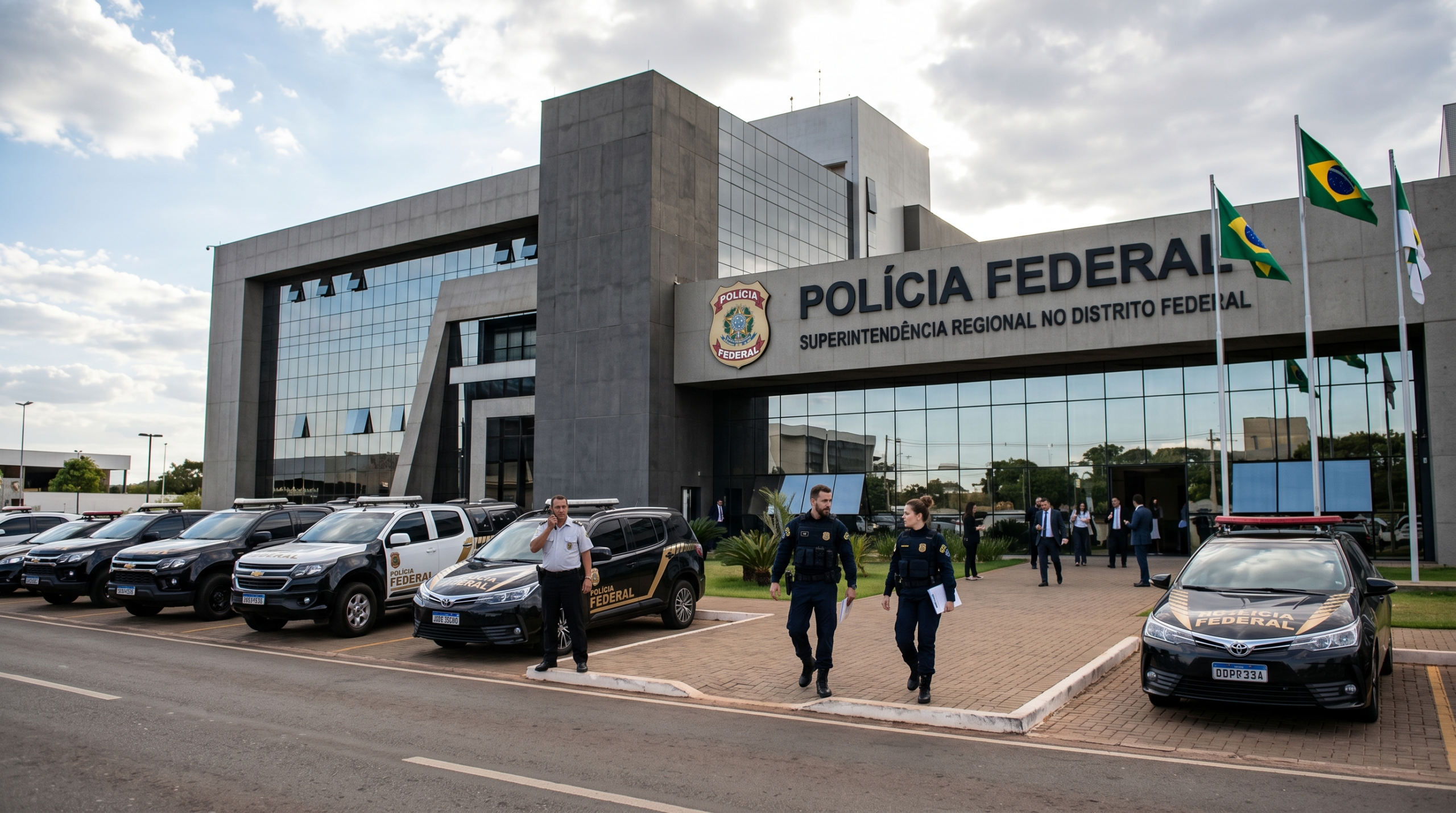
The arrest of Ervin Mata, an Albanian national accused of drug trafficking, on April 26 near São Paulo, Brazil, has shed new light on the operations of Balkan criminal networks in Latin America. Mata allegedly served as a crucial intermediary between South American cocaine suppliers and European buyers, coordinating shipments from Brazilian ports to destinations in Spain and Germany.
Mata’s capture represents part of a broader pattern of Balkan criminal involvement in Latin American drug trafficking. Criminal actors from Albania, Serbia, and Montenegro have established themselves as essential facilitators in the international cocaine trade, leveraging their connections and expertise to move narcotics from production centers in the Andes to growing consumer markets across Europe.
Unlike traditional Latin American cartels that focus on territorial control, Balkan criminal networks operate as service providers within the fragmented cocaine supply chain. They specialize in managing logistics, transportation routes, and maintaining relationships between producers and distributors.
These networks typically deploy emissaries to drug-producing nations including Colombia, Ecuador, and Brazil. These representatives negotiate directly with cocaine producers and coordinate with local criminal organizations responsible for storage and transportation. By eliminating intermediaries, they maximize profits for their European-based operations.
Dritan Rexhepi exemplifies this emissary role. The Albanian criminal, who escaped from prisons in Italy and Belgium during his career, represented Kompania Bello, an Albanian network comprising 14 crime families. Following his 2014 detention in Ecuador with a cocaine shipment, Rexhepi continued coordinating drug trafficking operations from prison until his release in 2021. He was subsequently arrested in Turkey in 2023 and currently faces trial in Albania.
Some Balkan criminals operate independently rather than representing established European groups. Dritan Gjika, an Albanian who obtained Ecuadorian citizenship, built his trafficking empire through direct alliances with Colombian producers and Ecuadorian criminal organizations. He established legitimate export companies dealing in bananas and other products as cover for cocaine shipments to European ports. Prosecutors estimate Gjika laundered over $31 million through Ecuador’s financial system between 2015 and 2024. He was arrested in Abu Dhabi in June 2025 and awaits extradition to Ecuador.
Similar independent operations were run by Adriatik Tresa and Arber Çekaj, both Albanians who concealed cocaine in banana shipments bound for Europe. Tresa was killed in a Guayaquil suburb in 2020, while Çekaj was arrested in Germany in 2018.
Money laundering represents another critical service provided by Balkan criminals in Latin America. In November 2025, the United States Treasury Department sanctioned 27 individuals and entities connected to a Mexico-based money laundering operation run by the Hysas, an Albanian crime family. The network allegedly collaborated with the Sinaloa Cartel to launder drug proceeds through casinos and luxury restaurants across Mexican states including Sinaloa and Sonora.
The case of Serbian national Jezdimir Srdan further illustrates this financial crime expertise. After receiving an early release from an Ecuadorian prison in 2018 on drug trafficking charges, Srdan was recaptured in 2024 and sentenced to 10 years imprisonment for money laundering.
The continued arrests and operations of Balkan criminals across Latin America demonstrate their entrenched position in the global cocaine trade. Their decentralized structure, based on family ties and business partnerships rather than rigid hierarchies, allows them to adapt quickly to law enforcement pressure while maintaining their crucial role connecting South American cocaine production with European distribution networks.
Leave a Reply