
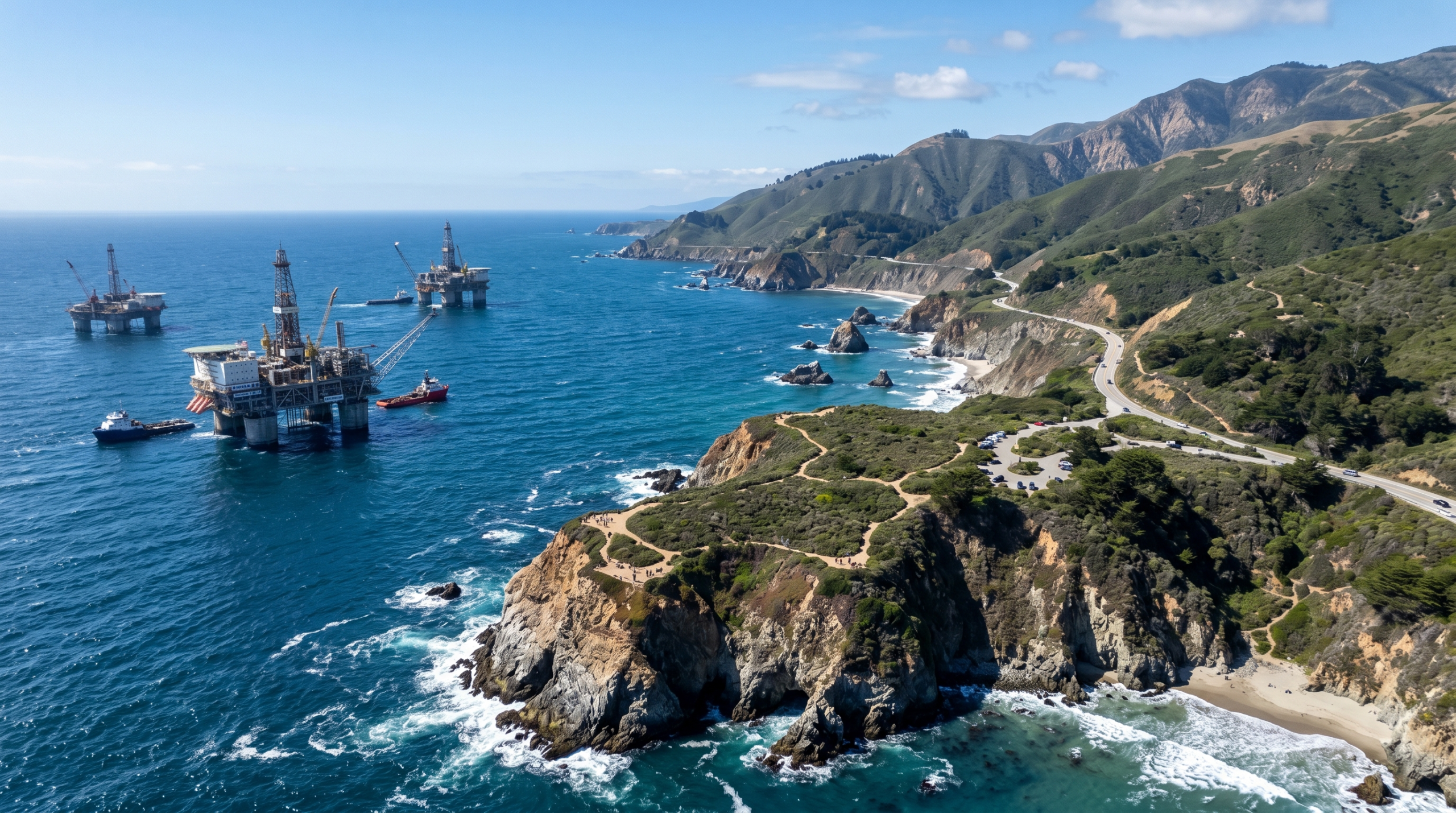
A federal judge in Los Angeles has denied California’s request to prevent Sable Offshore Corp. from operating a controversial pipeline segment that transports crude oil beneath Gaviota State Park. The decision represents a setback for state officials seeking to halt the use of the four-mile pipeline section connecting offshore drilling platforms to inland refineries.
U.S. District Judge Stephen Wilson ruled Thursday that the California Department of Parks and Recreation failed to demonstrate irreparable harm warranting an emergency court order to shut down the pipeline. The state had argued that Sable was trespassing on parkland, claiming an easement for the pipeline had expired.
In his ruling, Judge Wilson noted that the pipeline had operated beneath the state property for nearly three decades without incident. While acknowledging that operations were suspended following a major spill, he emphasized that no allegations connected the park segment to that leak.
The judge dismissed California’s concerns about a potential sinkhole near the pipeline that allegedly formed after operations resumed on March 16. Sable presented expert testimony indicating the supposed sinkhole was merely a rodent burrow, evidence the state did not counter.
This legal challenge represents one of several disputes surrounding Sable’s revival of three oil platforms known as the Santa Ynez Unit. The Houston-based company acquired these facilities in 2024, along with the pipeline infrastructure needed to transport crude oil to processing facilities and eventually to the San Joaquin Valley, California’s oil industry center.
The platforms, located off Santa Barbara County, had remained dormant since 2015 following the Refugio Oil Spill, which released over 120,000 gallons of oil into the ocean. That disaster blackened miles of coastline and temporarily devastated local tourism and fishing industries. Cleanup costs reached approximately $86 million.
The 2015 spill resulted from a corroded pipeline section owned and operated by Plains All American Pipeline, not the segment currently in dispute. A jury convicted that company of nine criminal charges in 2018.
Sable has invested more than $1.4 billion to restart the oil platforms and pipeline system after their decade-long shutdown, including over $215 million in repairs and upgrades to the pipeline infrastructure.
The restart gained federal support in March when U.S. Energy Secretary Chris Wright invoked the Defense Production Act, ordering Sable to begin using the refurbished pipeline. This directive came amid global oil supply disruptions following U.S. and Israeli military actions against Iran.
Sable announced in March that it anticipates producing and transporting 50,000 barrels per day from the Santa Ynez Unit.
Earlier this month, a separate federal court ruled that two nonprofit organizations challenging the U.S. Bureau of Ocean Energy Management’s approval of the drilling platform restart lacked legal standing to pursue their lawsuit.
The California Attorney General’s Office, representing the Parks and Recreation Department in this case, has not immediately commented on the ruling. Sable representatives also have not responded to requests for comment.
The decision highlights ongoing tensions between California’s environmental protection efforts and federal energy production priorities, particularly as the state continues to grapple with the legacy of past oil spills while facing pressure to maintain domestic energy supplies.
Leave a Reply