
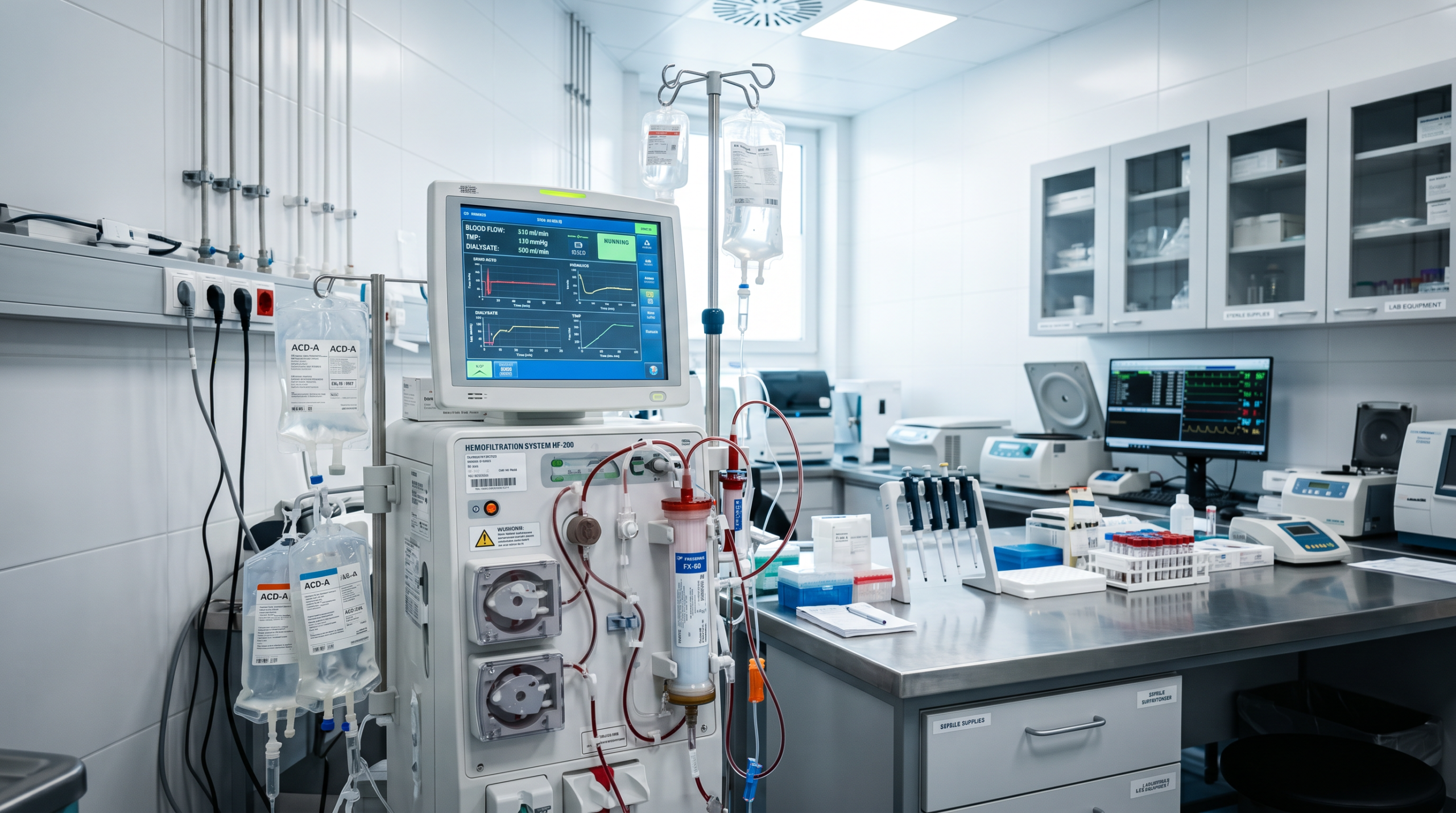
A medical device company that marketed an experimental blood filtration treatment as a potential cancer cure is facing multiple lawsuits and federal criminal charges after several patients died following the procedure.
ExThera Medical Corporation, based in the San Francisco Bay Area, developed blood filters originally designed for treating Covid-19 patients during the pandemic. The company later began promoting the device, known as the Seraph 100 filter, as a treatment for metastatic cancer under the brand name ONCObind.
The treatment involved filtering patients’ blood to remove circulating tumor cells. ExThera offered the procedure at a clinic in Antigua at a cost of $45,000 per round of treatment. According to court documents, the company marketed the treatment as a medical breakthrough despite limited clinical evidence.
At least three patients died within days or weeks after receiving the treatment, according to lawsuits filed against the company. Multiple other patients reported that their conditions worsened significantly, with cancer markers increasing rather than decreasing as promised.
In a ruling on Thursday, U.S. District Judge Maxine M. Chesney dismissed several claims against ExThera, including racketeering, wrongful death, negligence, and battery charges. The judge found that plaintiffs had not sufficiently demonstrated a direct connection between the treatment and their worsening conditions, nor had they shown that patients would have survived their cancers without the treatment.
However, the company will still face fraud and emotional distress claims. Judge Chesney allowed these claims to proceed, particularly those related to statements made by Dr. Sanja Ilic, ExThera’s Chief Regulatory Officer and Vice President of Clinical, Regulatory and Medical Affairs.
Dr. Ilic had reportedly made representations about successful results from an initial trial conducted in Croatia. The judge found that plaintiffs had adequately alleged that the Croatian trial did not actually yield the positive results that Dr. Ilic had claimed when speaking with patients.
The court also allowed product liability claims to move forward based on allegations that ExThera failed to warn patients about risks associated with the Seraph 100 filters, including the potential for clogging and tumor lysis syndrome, a serious medical condition that can occur when cancer cells break down rapidly.
The legal troubles extend beyond civil litigation. On March 5, the Department of Justice announced criminal charges against Dr. Ilic for concealing adverse events from the Food and Drug Administration, including at least two patient deaths connected to the blood filtration device.
According to federal prosecutors, Dr. Ilic agreed to plead guilty and admitted to suppressing information about life-threatening complications to avoid regulatory scrutiny. The government stated that ExThera, through Dr. Ilic, admitted to acting with intent to defraud and mislead the FDA.
As part of a deferred prosecution agreement reached in Massachusetts, ExThera will pay a $750,000 penalty and face forfeiture requirements. The company must also implement compliance and ethics programs designed to prevent future violations of FDA reporting requirements.
The case also involved claims against parties associated with billionaire investor Alan Quasha, whose private equity firm Quadrant Management had invested in ExThera. However, Judge Chesney dismissed claims against Quadrant Management, Quadrant Clinical Care (the Antigua clinic), and individuals including Dr. Devon Quasha and investor John Preston, citing jurisdictional issues.
Plaintiffs have been granted leave to amend their dismissed claims and must file an amended complaint by June 30.
Leave a Reply